Spinal Stenosis Treatment Braces
Back Braces for Spinal Stenosis
Back Braces for Spinal Stenosis: Reduce Pain, Improve Posture, Stay Active
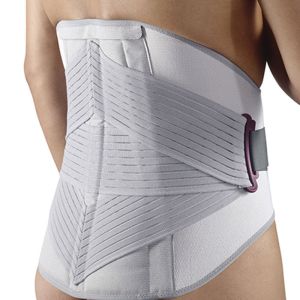
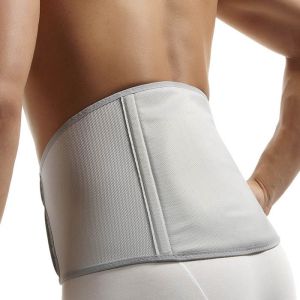
Manage the pain and discomfort of spinal stenosis with a back brace for spinal stenosis designed to support your spine, reduce nerve compression symptoms, and help you move more freely through daily life. Spinal stenosis — a narrowing of the spinal canal that puts pressure on the spinal cord and nerve roots — causes pain, numbness, and weakness that can make walking, standing, and everyday activities increasingly difficult.
Our spinal stenosis back braces help by gently unloading the lumbar spine, encouraging a slight forward tilt that opens the spinal canal and reduces pressure on compressed nerves. Explore our full back braces collection for the complete range of spinal support options.
How a Back Brace Helps Spinal Stenosis Symptoms
Postural Support and Nerve Decompression
Spinal stenosis symptoms typically worsen with extension (leaning backward) and improve with flexion (leaning forward). A lumbar back brace for stenosis supports a neutral or slightly flexed spine position, reducing the extension that narrows the canal and compresses nerves. Patients managing stenosis alongside other spinal conditions may also benefit from our back braces for spine compression fracture or spondylolisthesis braces collections.
Improved Mobility and Daily Function
Many people with spinal stenosis limit their activity due to fear of pain — which leads to deconditioning and worsening symptoms over time. A supportive brace helps break that cycle by allowing patients to walk further, stand longer, and stay more active with less pain.
Why Choose BraceLab for Spinal Stenosis Support?
Evidence-Informed Designs for Complex Spinal Conditions
BraceLab's approach to spinal bracing is grounded in clinical evidence and real-world application. Founded by Judy C. Colditz, OT/L, CHT, FAOTA, and serving as the exclusive U.S. distributor of Push and Push Sports orthoses, our products are trusted by healthcare professionals managing chronic spinal conditions. Our Clinicians Classroom supports therapist education in 26 countries.
Comfortable Enough for Consistent Daily Use
Managing spinal stenosis is a long-term process. Our back braces are designed for extended daily wear, with breathable materials, flexible panels, and adjustable compression zones. Browse our back braces for women and back braces for men collections for gender-specific sizing and fit options.
FAQs — Back Braces for Spinal Stenosis
Can a back brace really help spinal stenosis pain?
Yes. For many people, a lumbar back brace helps by supporting a forward-flexed spine position that reduces nerve compression. It won't cure stenosis, but it can significantly reduce pain during activity and improve quality of life.
Should I wear a back brace all day for spinal stenosis?
Most people benefit from wearing a brace during activities that cause symptoms — like walking or standing for extended periods. Continuous all-day wear may weaken core muscles over time. Your physical therapist can help you develop a balanced bracing and exercise program.
Is a back brace a substitute for surgery for spinal stenosis?
A back brace is a conservative management tool, not a surgical substitute. Many people with stenosis manage well without surgery using a combination of bracing, physical therapy, and activity modification. Consult your spine specialist about the best approach for your severity.
What type of back brace works best for lumbar stenosis?
A semi-rigid lumbar brace that supports a slightly flexed spinal position tends to work best for stenosis. Avoid hyperextension braces, which can worsen symptoms by narrowing the canal further. Your physician or therapist can recommend the right style for your anatomy.