Back Braces for Work
Lumbar Support for the Demands of Your Workday
Work can place very different demands on the lower back. Some jobs involve repeated lifting, bending, and carrying, while others require hours of standing, driving, or sitting in one position. When back pain or an existing condition makes those activities more difficult, a back brace for work can provide additional lumbar support during the parts of the day when you need it.
BraceLab offers Push back braces designed to provide adjustable support while preserving functional movement. Their streamlined designs make lumbar support easier to incorporate into a workday without the unnecessary bulk of many traditional back braces.
Choosing a Back Brace for Work
The right back brace depends less on your job title and more on the type and level of support you need.
Consider the activities that place the greatest demands on your back, whether you need more substantial or lighter lumbar support, and whether you are managing a diagnosed condition or recovering from an injury.
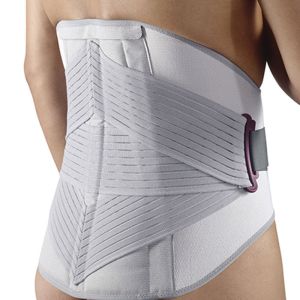
Push med Back Brace
The Push med Back Brace provides adjustable support to the lumbar spine while allowing functional movement.
Anatomically shaped metal stays support the lower back, while adjustable elastic bands allow compression and support to be tailored to individual needs. Its streamlined construction makes it an option for those who need more substantial lumbar support during work and other everyday activities.
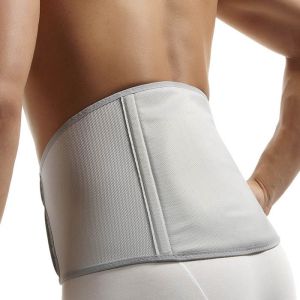
Push care Back Brace
The Push care Back Brace offers comfortable lumbar support in a lightweight design.
An adjustable pressure pad allows support to be positioned where it is needed, while the brace provides compression around the lower back. Its low-profile construction offers an alternative for those looking for lighter lumbar support during everyday activities.
Back Support for Different Types of Work
Lifting, Bending, and Physically Demanding Work
Jobs that involve repeated lifting, bending, carrying, or other physically demanding tasks can place significant demands on the lower back.
A lumbar brace can provide additional external support during certain activities, but it should not be used to make an unsafe load or movement safe. Appropriate lifting technique, workplace ergonomics, load management, and any restrictions provided by a healthcare professional remain important.
If you are recovering from a muscle strain or similar injury, explore our back braces for pulled and strained muscles.
Standing for Long Periods
Healthcare, retail, hospitality, manufacturing, and other occupations can require prolonged periods on your feet. For someone already experiencing lower back symptoms, those long periods of standing may become uncomfortable.
When appropriate for your condition, a low-profile lumbar brace can provide additional support during portions of the workday while still allowing functional movement.
Desk Work and Driving
Physically demanding work is not the only type of job that can challenge the lower back. Prolonged sitting and driving can also aggravate symptoms for some people.
Lumbar support may be useful during these activities depending on the cause of your symptoms, but a brace should not replace appropriate movement, position changes, workplace ergonomics, or treatment when needed.
Why Choose Push Back Braces for Work?
Support Without Unnecessary Immobilization
Push braces are designed with close attention to anatomy, biomechanics, and functional movement. Rather than relying on excessive bulk or rigid immobilization, support is incorporated strategically into the brace.
For someone who needs to remain active at work, that means additional lumbar support without unnecessarily restricting everyday movement.
Adjustable Support
The demands placed on your back can change throughout the workday. Adjustable components allow compression and support to be tailored to the individual rather than relying on one fixed level of stabilization.
Low-Profile Design
A bulky back brace can be difficult to integrate into a normal workday. Push back braces feature streamlined designs that can be worn discreetly with many types of work clothing and uniforms.
Exactly how visible a brace is will depend on the brace, your body shape, and the fit and fabric of the clothing worn over it.
Wearing a Back Brace at Work
There is no universal schedule for wearing a back brace during the workday. Appropriate wear time depends on why you are using the brace, the demands of your job, your symptoms, and recommendations from your healthcare provider.
Some people may benefit from additional lumbar support during specific higher-demand activities rather than wearing a brace continuously throughout an entire shift.
If you are returning to work after an injury or surgery, follow any lifting, movement, or bracing restrictions provided by your healthcare professional. A brace should support an appropriate return to activity, not be used to override those restrictions.
FAQs About Back Braces for Work
Can a back brace help while working?
A lumbar brace can provide additional support and compression around the lower back and may make certain work activities more manageable for some people experiencing back pain or managing a lumbar condition. Whether a brace is appropriate depends on the cause of your symptoms and the type of work you perform.
Can a back brace prevent a workplace back injury?
A back brace should not be relied upon to prevent workplace injuries. It provides external support to the lower back, but it does not make unsafe lifting, excessive loads, or poor working conditions safe. Proper lifting technique, ergonomics, appropriate equipment, load management, and workplace safety practices remain important for reducing injury risk.
What is the best back brace for lifting at work?
There is no single back brace that is best for everyone who lifts at work. The appropriate brace depends on why support is needed, the amount of support required, fit, your underlying condition, and the activities you perform. For an existing injury or back condition, a healthcare professional can help determine whether lumbar bracing is appropriate and what level of support you need.
Can I wear a back brace for an entire work shift?
Not necessarily. Some people may use a back brace during specific activities or portions of the workday rather than continuously. How long you should wear a brace depends on your condition, symptoms, activities, and any recommendations from your healthcare provider.
Can I wear a back brace under my work clothes?
Low-profile lumbar braces can often be worn discreetly with work clothing or uniforms. Visibility and comfort will depend on the brace, your body shape, and the fit and material of the clothing worn over it.
Should I wear a back brace for a pulled muscle at work?
A back brace may provide additional support for some people recovering from a back strain, but the appropriate treatment and timing of a return to work depend on the severity of the injury and the physical demands of your job. Explore our back braces for pulled and strained back muscles for more information, or view our complete selection of back braces.