
Back Braces for Lower Back Pain
Targeted Support for Lower Back Pain
Lower back pain can make everyday activities, from sitting and standing to lifting and working, more difficult. A well-designed back brace for lower back pain can provide additional support to the lumbar region during activities that place greater demands on the back.
BraceLab offers Push back braces designed to combine effective lumbar support with comfort and functional movement. Rather than unnecessarily immobilizing the back, these braces provide adjustable support that can be tailored to your needs and activity level.
Choosing a Back Brace for Lower Back Pain
The right lumbar brace depends on the type and level of support you need. Some people benefit from more substantial, adjustable support during physically demanding activities, while others may need lighter support for everyday use.
Understanding how each brace works can help you determine which option best fits your needs.
Push med Back Brace
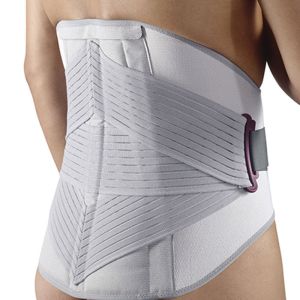
The Push med Back Brace provides adjustable support to the lumbar spine while allowing functional movement.
Its anatomically shaped metal stays provide support along the lower back, while adjustable elastic bands allow the level of compression to be increased or decreased based on individual needs. The brace's low-profile construction is designed for comfortable wear during everyday activities.
Push care Back Brace
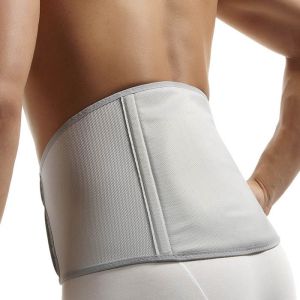
The Push care Back Brace provides comfortable lumbar support in a lightweight design.
An adjustable pressure pad allows support to be positioned where it is needed, while the brace provides compression around the lower back. Its streamlined construction makes it an option for those looking for support that can integrate easily into daily activities.
How Can a Back Brace Help With Lower Back Pain?
A lumbar brace provides external support around the lower back. Depending on its design, it can provide compression, reinforce the lumbar region, and help reduce excessive or uncomfortable movement during activities that place greater demands on the back.
The goal is not simply to restrict movement. Effective bracing should provide enough support to help manage symptoms while allowing you to remain as functional and active as your condition permits.
A back brace may be used as one part of a broader approach to managing lower back pain that can also include activity modification, exercise, physical therapy, and other treatment recommended by a healthcare professional.
Why Choose Push Back Braces?
Support Designed Around the Body
Push braces are developed with close attention to anatomy and biomechanics. Instead of relying on unnecessary bulk or rigid immobilization, support is strategically incorporated into the brace to provide stability while preserving functional movement.
For the lower back, that means providing meaningful lumbar support without turning everyday movement into a struggle.
Adjustable Lumbar Support
Lower back support is not necessarily one-size-fits-all throughout the day. Adjustable components allow the level of compression and support to be tailored to the individual and, depending on the brace, adjusted as needs change.
Low-Profile Design for Everyday Wear
A brace is only useful when it works with daily life. Push back braces are designed with a streamlined profile that can be worn discreetly with clothing, making them practical for work, travel, household activities, and other parts of the day when additional lumbar support may be helpful.
Getting the Right Fit
Proper sizing is essential to getting the intended support from a lumbar brace. A brace that is too loose may not provide adequate support, while one that is excessively tight can be uncomfortable and difficult to wear.
Push back braces are sized using body measurements rather than relying solely on clothing size. Follow the measurement and sizing instructions on the individual product page before selecting your size.
When Should You Wear a Back Brace?
How and when you wear a back brace depends on the reason you are using it. Some people may benefit from additional support during specific activities that aggravate their symptoms, such as prolonged standing, lifting, travel, or physically demanding work.
A brace does not necessarily need to be worn continuously to be useful. When lower back pain is persistent, severe, worsening, or associated with other symptoms, consult a healthcare professional to determine the underlying cause and appropriate treatment.
FAQs About Back Braces for Lower Back Pain
Can a back brace help with lower back pain?
A lumbar brace can provide external support and compression to the lower back and may help make certain activities more comfortable for some people with lower back pain. The appropriate treatment depends on the cause of the pain, so a brace is often best considered as one component of a broader treatment or symptom-management plan rather than a replacement for movement, exercise, rehabilitation, or medical care when needed.
What type of back brace is best for lower back pain?
There is no single back brace that is appropriate for every type of lower back pain. Consider the amount of support you need, where support is needed, how adjustable the brace is, and the activities during which you plan to wear it. For persistent or injury-related pain, a healthcare professional can help identify the cause of your symptoms and determine the appropriate level of support.
How tight should a back brace be?
A lumbar brace should fit securely enough to provide the intended support without causing excessive pressure, discomfort, numbness, or difficulty moving. Always follow the fitting and adjustment instructions for the specific brace rather than simply tightening it as much as possible.
Should I wear a back brace all day?
Not necessarily. How long a back brace should be worn depends on your condition, activities, and the reason the brace was recommended. Some people use lumbar support primarily during activities that place greater demands on the back. If you have been prescribed or recommended a brace by a healthcare professional, follow their instructions regarding wear time.
Should I wear a back brace while sleeping?
A back brace should not routinely be worn while sleeping unless a healthcare professional has specifically recommended nighttime use for your condition.
Can I wear a back brace under my clothes?
Low-profile lumbar braces can often be worn discreetly with everyday clothing. What feels most comfortable will depend on the brace, clothing, activity, and individual fit.
Is lower back pain always caused by poor posture?
No. Lower back pain can have many causes, and posture is only one potential contributing factor. If your primary concern is postural support, explore our back braces for posture. You can also view our complete selection of back braces to compare available support options.