
Sciatica Back Braces
Lumbar Support for Sciatica
Sciatica can make everyday activities, from sitting and driving to standing and working, more difficult. Symptoms may include pain that travels from the lower back or buttock into the leg, sometimes accompanied by numbness, tingling, or weakness.
While a back brace for sciatica does not treat the sciatic nerve or the underlying cause of symptoms, a well-designed lumbar brace can provide additional support to the lower back during daily activities. BraceLab offers Push back braces designed to provide adjustable lumbar support while preserving functional movement.
Choosing a Back Brace for Sciatica
Sciatica describes a pattern of symptoms rather than a single condition. Understanding what is causing those symptoms is important when determining the appropriate treatment and level of support.
A lumbar brace may be incorporated into a broader treatment plan depending on the underlying condition, your symptoms, and recommendations from your healthcare provider.
Push med Back Brace
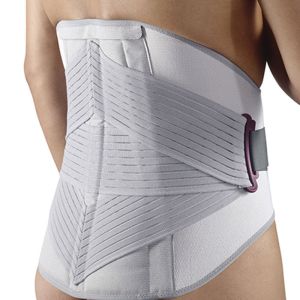
The Push med Back Brace provides adjustable support to the lumbar spine while allowing functional movement.
Anatomically shaped metal stays support the lower back, while adjustable elastic bands allow compression and support to be tailored to individual needs. Its low-profile construction is designed to make lumbar support easier to incorporate into everyday activities.
Push care Back Brace
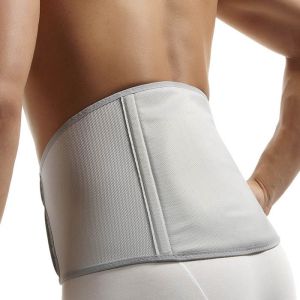
The Push care Back Brace offers comfortable lumbar support in a lightweight design.
An adjustable pressure pad allows support to be positioned where it is needed, while the brace provides compression around the lower back. Its streamlined construction offers an alternative for those looking for lumbar support without a more substantial brace.
What Causes Sciatica?
Sciatica occurs when the sciatic nerve or the nerve roots that contribute to it become irritated or compressed. Symptoms commonly travel from the lower back or buttock into the leg and can vary considerably from person to person.
A herniated disc is one potential cause, but sciatica can also be associated with conditions such as spinal stenosis and spondylolisthesis. Because treatment depends on the underlying cause, persistent or significant sciatic symptoms should be evaluated by a healthcare professional.
If you already know what is contributing to your symptoms, you can explore our back braces for bulging and slipped discs or our back braces for spinal stenosis.
How Can a Back Brace Help With Sciatica?
A lumbar brace provides external support and compression around the lower back. For some people with sciatica, this additional support may make certain daily activities more manageable, particularly when symptoms are associated with an underlying lumbar condition.
The role of a brace is supportive. It does not remove pressure from the sciatic nerve or correct the underlying condition causing the symptoms.
Depending on your diagnosis and treatment plan, lumbar support may be used alongside appropriate activity, physical therapy, exercise, medication, or other treatment recommended by your healthcare provider.
Why Choose Push Back Braces?
Support Without Unnecessary Immobilization
Push braces are designed with close attention to anatomy, biomechanics, and functional movement. Rather than relying on unnecessary bulk or rigid immobilization, support is strategically incorporated where it is needed.
For the lower back, that means providing additional lumbar support while preserving the movement needed for appropriate everyday activity.
Adjustable Support
The amount of lumbar support you need may change depending on your activities and symptoms. Adjustable components allow compression and support to be tailored to the individual rather than relying on a single fixed level of stabilization.
Low-Profile Design for Everyday Wear
Sciatica symptoms can affect many parts of the day. Push back braces feature streamlined designs intended to make lumbar support easier to incorporate into work, travel, household activities, and other daily routines when additional support is appropriate.
Using a Back Brace When You Have Sciatica
There is no universal schedule for wearing a back brace with sciatica. How and when a brace should be used depends on the cause of your symptoms, the activities that aggravate them, and your individual treatment plan.
For some people, a healthcare professional may recommend additional lumbar support during specific activities. Bracing should not automatically replace appropriate movement, exercise, or rehabilitation.
If you have persistent sciatica or are unsure what is causing your symptoms, a healthcare professional can help determine the underlying cause and whether bracing is appropriate.
When Sciatica Symptoms Need Medical Attention
Sciatica can involve more than pain. Depending on the nerve affected, symptoms may also include numbness, tingling, or muscle weakness in the leg or foot.
Seek prompt medical evaluation for new or worsening neurological symptoms. Loss of bladder or bowel control, numbness in the saddle area, or significant or progressive leg weakness requires urgent medical attention.
FAQs About Sciatica Back Braces
Can a back brace help with sciatica?
A lumbar brace may provide additional support and compression to the lower back, which can make certain activities more manageable for some people experiencing sciatica. Because sciatica can have different underlying causes, a back brace will not be appropriate for every person or every condition. When bracing is appropriate, it is generally used as one part of a broader symptom-management or treatment plan.
Is sciatica a diagnosis?
Sciatica refers to symptoms associated with irritation or compression of the sciatic nerve or the nerve roots that contribute to it. The underlying cause can vary. Identifying that cause is important because treatment for symptoms related to a herniated disc, for example, may differ from treatment for spinal stenosis or another lumbar condition.
What type of back brace is best for sciatica?
There is no single back brace that is best for every case of sciatica. The appropriate level of support depends on the underlying cause of your symptoms, your activities, fit, and recommendations from your healthcare provider. When comparing lumbar braces, consider the amount of support provided, adjustability, comfort, and how the brace will be used during everyday activities.
How long should I wear a back brace for sciatica?
There is no universal wear time for a sciatica back brace. Some people may use lumbar support during specific activities, while others may be given different instructions based on their condition and treatment plan. If a brace has been recommended by a healthcare professional, follow their guidance regarding when and how long to wear it.
Can I wear a back brace while sitting or driving?
Depending on the cause of your symptoms and the fit of the brace, lumbar support may be used during activities such as prolonged sitting or driving. The brace should fit comfortably and should not interfere with safe movement or vehicle operation. If sitting or driving significantly worsens your symptoms, discuss this with your healthcare provider rather than relying on a brace to push through increasing pain.
Can a herniated disc cause sciatica?
Yes. A herniated disc can irritate or compress a spinal nerve root and produce symptoms that travel into the buttock or leg. However, herniated discs are not the only cause of sciatica. If you have been diagnosed with a disc condition, explore our back braces for bulging and slipped discs. You can also view our complete selection of back braces.