Herniated Disc Back Braces
Lumbar Support for a Herniated Disc
A herniated disc in the lower back can make everyday activities, from sitting and driving to bending, lifting, and working, more difficult. While a brace does not treat the disc itself, a well-designed back brace for a herniated disc can provide additional lumbar support as you manage symptoms and continue with appropriate daily activities.
BraceLab offers Push back braces designed to provide adjustable support to the lower back while preserving functional movement. Depending on your condition and treatment plan, a lumbar brace may be used alongside activity modification, physical therapy, exercise, and other care recommended by your healthcare provider.
Choosing a Back Brace for a Herniated Disc
The right brace depends on the amount and type of lumbar support you need. Some people may benefit from more substantial, adjustable support during activities that place greater demands on the back, while others may prefer lighter support for everyday use.
Understanding how each brace provides support can help you compare your options.
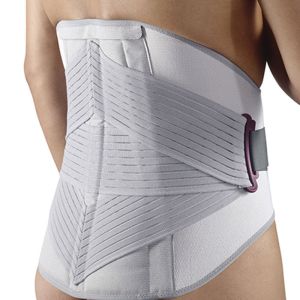
Push med Back Brace
The Push med Back Brace provides adjustable support to the lumbar spine while allowing functional movement.
Anatomically shaped metal stays support the lower back, while adjustable elastic bands allow compression and support to be tailored to individual needs. Its low-profile construction is designed to make lumbar support easier to incorporate into everyday activities.
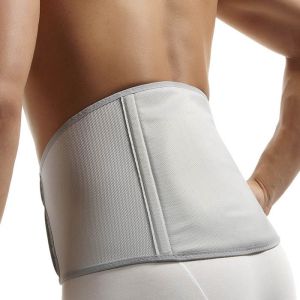
Push care Back Brace
The Push care Back Brace offers comfortable lumbar support in a lightweight design.
An adjustable pressure pad allows support to be positioned where it is needed, while the brace provides compression around the lower back. Its streamlined construction offers an alternative for those who need lumbar support without a more substantial brace.
Herniated Disc vs. Bulging Disc
The terms herniated disc and bulging disc are sometimes used interchangeably, but they describe different changes to the spinal disc.
A bulging disc generally refers to a broader extension of the disc beyond its normal boundary, while a herniated disc involves a more focal displacement of disc material. Either can occur without symptoms, while in some cases disc material can irritate or compress nearby nerves and contribute to pain, numbness, tingling, or weakness.
If you have been diagnosed with a bulging disc, you can also explore our back braces for bulging or slipped discs.
How Can a Back Brace Help With a Herniated Disc?
A lumbar brace provides external support and compression around the lower back. This additional support may make certain activities more manageable for some people experiencing back pain associated with a herniated disc.
Importantly, a brace does not repair or reposition a herniated disc. Its role is supportive. Depending on the individual and the recommendations of a healthcare professional, bracing may be incorporated into a broader recovery plan that includes maintaining appropriate activity, rehabilitation, and addressing the underlying cause of symptoms.
Why Choose Push Back Braces?
Support Without Unnecessary Immobilization
Push braces are designed with close attention to anatomy, biomechanics, and functional movement. Support is strategically incorporated into the brace without relying on unnecessary bulk or rigid immobilization.
For someone managing a back condition, that means additional lumbar support while still allowing the movement needed for appropriate everyday activity.
Adjustable Support
The amount of support you need may change depending on your activity and stage of recovery. Adjustable components allow compression and support to be tailored to the individual rather than relying on a single fixed level of stabilization.
Low-Profile Design for Everyday Wear
Managing a herniated disc can extend well beyond a single activity. A low-profile brace can make lumbar support easier to incorporate into work, travel, household activities, and other parts of everyday life when additional support is appropriate.
Wearing a Back Brace During Herniated Disc Recovery
How often and how long a brace should be worn depends on your symptoms, diagnosis, activity level, and treatment plan.
For some people, a healthcare professional may recommend lumbar support during specific activities that place greater demands on the back. Bracing should not automatically replace appropriate movement, exercise, or rehabilitation.
If you are recovering from a diagnosed herniated disc, follow the wear schedule and activity recommendations provided by your physician, physical therapist, or other healthcare professional.
When Herniated Disc Symptoms Need Medical Attention
Herniated discs can affect nearby spinal nerves, so symptoms are not always limited to the lower back. Depending on the location and severity, symptoms can include pain that travels into the buttock or leg, numbness, tingling, or muscle weakness.
Seek prompt medical evaluation for new or worsening neurological symptoms. Loss of bladder or bowel control, numbness in the saddle area, or significant or progressive leg weakness requires urgent medical attention.
FAQs About Herniated Disc Back Braces
Can a back brace help with a herniated disc?
A lumbar brace can provide external support and compression to the lower back and may make certain activities more manageable for some people with a herniated disc. A brace does not heal the herniated disc itself. It may instead be used as one part of a broader treatment or symptom-management plan that can include physical therapy, appropriate activity, exercise, medication, and other care recommended by a healthcare professional.
What type of back brace is best for a herniated disc?
There is no single brace that is appropriate for every herniated disc. The right level of support depends on factors including your symptoms, the location of the affected disc, your activities, and recommendations from your healthcare provider. When comparing braces, consider the level of lumbar support, adjustability, fit, and how the brace will be used during daily activities.
How tight should a back brace be?
A lumbar brace should fit securely enough to provide its intended support without causing excessive pressure, numbness, difficulty breathing, or additional discomfort. Follow the fitting and adjustment instructions provided with your specific brace. If a brace has been recommended as part of your treatment plan, your healthcare provider can also help determine the appropriate fit.
Can I wear a back brace at work with a herniated disc?
Depending on your condition and the demands of your job, a lumbar brace may be worn during certain work activities when additional support has been recommended. A brace should not be used to push through activities that your healthcare provider has advised you to avoid during recovery.
Can a herniated disc cause sciatica?
Yes. When a herniated disc irritates or compresses a nerve root that contributes to the sciatic nerve, it can cause symptoms commonly referred to as sciatica. These may include pain, numbness, tingling, or weakness extending from the lower back or buttock into the leg. Sciatica can have other causes as well, so radiating leg pain should not automatically be assumed to result from a herniated disc. Learn more about our back braces for sciatica, or explore our complete selection of back braces.