
Alleviating Trigger Finger Symptoms Caused by Aromatase Inhibitor

November 2024 No. 87
Alleviating Trigger Finger Symptoms Caused by Aromatase Inhibitor
by Karol S. Young, OTD, OTR/L, CHT
Opting for conservative trigger finger treatment is often a patient’s first choice, as it avoids injection/s or surgery. If conservative treatment fails, therapists can advocate for cortisone injections or surgical trigger finger release, which are known to have dependable outcomes. But what do you do if your patient reports her only option is conservative treatment for a painful trigger finger?
Clinical Presentation
Following a right breast cancer diagnosis six years ago, Julia underwent a right mastectomy and lymph node resection followed by the prescribed five-year course of oral tamoxifen. Recently Julia’s medication was switched from tamoxifen to letrozole, an aromatase inhibitor used for additional adjuvant endocrine therapy. Within three weeks, she experienced right middle finger and left ring finger triggering, with the right more severe and painful than the left. Because of her history of right arm lymphedema, Julia declined a cortisone injection and/or surgical management to the right middle finger and requested a referral for hand therapy.
Learning About Medications
During her hand therapy evaluation, Julia explained her breast cancer treatment and her recent change in medications. She sent me several articles on the medications she was taking. I learned that letrozole is an aromatase inhibitor, which is a type of hormone therapy that reduces the amount of estrogen in the body by blocking the activity of the enzyme aromatase. Letrozole is used either in conjunction with or as an adjunct to tamoxifen. This type of drug has been found to reduce the recurrence rates in some breast cancers. Musculoskeletal side effects have been reported in 5% to 61% of patients taking aromatase inhibitors. Wisotzky reported that estrogen deprivation may decrease joint cartilage, increase joint inflammation and increase tenosynovial fluid, thus affecting the small joints in the hand, and leading to the focal inflammation seen in trigger fingers. Julia’s research regarding her prescribed medications indicated to her that the sudden onset of the pain and triggering in the right middle finger and left ring finger was undoubtedly related to her new medication. I agreed.
Initial Conservative Treatment
Julia was fitted with a custom molded metacarpophalangeal (MP) joint blocking orthosis for night wear and a soft blocking splint to wear during the day. These orthoses decreased the frequency of catching of the tendon at the A1 pulley, which limited full composite flexion and tight gripping while sleeping and performing daily activities. See Figure 1.


Figure 1: Custom MP joint blocking orthosis and soft blocking splint used during the day.
Julia learned alternative ways to use her right hand while gripping, and she performed passive range of motion to preserve the joint range while limiting tendon excursion. To further support the ability of the tendon to glide without friction, Julia applied manual edema mobilization techniques to each triggering digit.
At rest, Julia’s right middle finger was in a position of ulnar deviation. Palpation revealed a nodule in the right palm on the ulnar side of the A1 pulley of this finger. Julia applied soft tissue mobilization to the nodule area with a small massage tool and applied buddy taping to limit the deviation of the MP joint of this finger. Holding the right middle finger in neutral alignment alleviated Julia’s resting pain. See Figures 2 and 3.

Figure 2: Ulnar deviation of the right middle finger and use of buddy taping to correct the deviation.
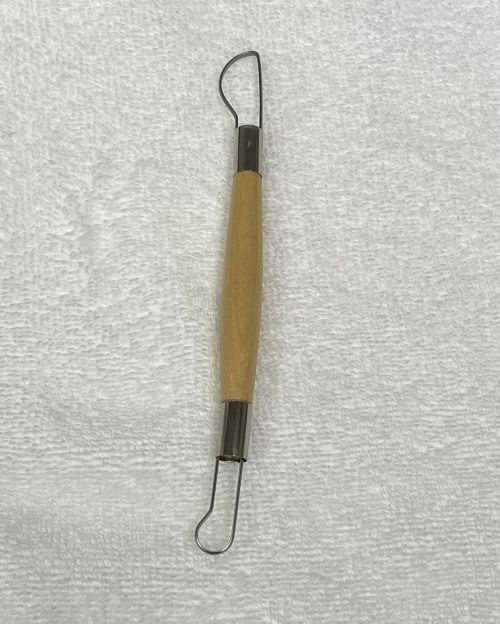
Figure 3: Small massage tool used for soft tissue mobilization.
Collaborative Treatment
Julia inquired about using therapeutic ultrasound for her trigger fingers. The use of physical agent modalities is normally contraindicated in active cancer, but Julia had been cleared by her physician several years ago. The physical therapist who was managing her lymphedema approved the use of therapeutic ultrasound (she underwent six treatment sessions) and was on call for any increase in lymphedema after the ultrasound treatments. New compression garments for Julia’s right upper extremity, ordered by the PT, were also instrumental.
The Outcome
Julia lives in Western North Carolina and following Hurricane Helene, her right dominant extremity was put to the test as she cleared debris and managed in her home without water, electricity, or internet for more than a week. During this time, Julia reported she adhered to her home management and, fortunately, had no incidence of triggering. At her last appointment, she had no pain and no evidence of triggering with gentle active composite flexion of the right hand. However, she did continue to avoid repetitive tight gripping.
Like many breast cancer patients, Julia is a strong self-advocate in finding additional ways to conservatively address what she believed was a medication related symptom. Looking in depth at the list of the side effects of many of the breast cancer drugs, we find hand therapy may play a greater role in treating these. Julia’s treatment helped me learn more about her diagnosis and medical management, while she learned the strategies needed to further promote her own healing.
© BraceLab; 2024 all rights reserved
Disclaimer: BraceLab Clinical Pearls are intended to be an informal sharing of practical clinical ideas; not formal evidence-based conclusions of fact.