
Simultaneous Treatment of a TFCC and SLL Tear

September 2026 No. 98
Simultaneous Treatment of a TFCC and SLL Tear
by Karol S. Young, OTD, OTR/L, CHT
Hand therapists rarely treat just one condition at a time. Patients often present with multiple conditions that can affect treatment decisions and functional outcomes. For example, an individual who sustained a distal radius fracture may also have a trigger finger, while someone with Dupuytren's contracture may also have osteoarthritis.
It was not unusual, therefore, when I received a referral for Lisa, a 59-year-old pharmacist whose MRI confirmed both a degenerative tear of the triangular fibrocartilage complex (TFCC) and a scapholunate ligament (SLL) tear in her left wrist. The challenge was determining how to address both conditions while helping Lisa continue working with less wrist pain.
Where to Begin
Lisa demonstrated active range of wrist motion within normal limits but had 15-pounds less grip strength as compared to her opposite hand. She reported pain at end-range of wrist flexion and extension, as well as when gripping or pushing up from a chair.
Lisa also had a positive Watson Scaphoid Shift Test, indicating scapholunate ligament instability. Her ulnar-sided wrist pain was more diffuse, with a mildly positive fovea sign test.
Lisa's primary concern was pain in her left wrist, hand, and forearm after an eight-hour workday in the pharmacy. Because of her demanding work schedule, she chose non-surgical treatment.
Work Task Analysis
Lisa dispenses medications, speaks with physicians on the phone, and counsels patients. Dispensing medication caused the most pain because it required repetitive opening of medication bottles.
Analysis of this task demonstrated it required forearm pronation, wrist extension, and wrist ulnar deviation. All of these movements placed additional stress on both injured structures:
• The TFCC is affected as the forearm rotates into pronation during gripping. In this position, the ulna shifts distally, thus increasing the load on the ulnar side of the wrist by approximately 20%. This load was contributing to Lisa's ulnar-sided wrist pain.
• The SLL helps stabilize the scaphoid and lunate bones, supporting carpal alignment and appropriate load distribution across the wrist. In Lisa's case, the SLL tear was causing abnormal separation between the scaphoid and lunate and contributed to her wrist pain while performing work activities.
Work Modifications
Modifications to Lisa's work routine included adaptive equipment and adjustments to her wrist position while she worked.
An adapted jar opener was secured at an angle on her work surface to promote a neutral wrist position. Adhesive closed-cell foam padding was added to the jar opener to accommodate smaller pill bottles. See Figure 1.
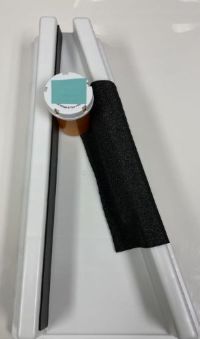
Figure 1: Modified jar opener to accommodate smaller pill bottles.
Adjustments to her work pattern were challenging since protecting both injured structures requires opposing positions:
• To decrease the load on the TFCC when gripping, it is desirable to position the forearm in supination or neutral, and most of all to avoid pronation.
• To protect the SLL when gripping, it is appropriate to position the forearm in pronation or neutral to minimize ECU muscle tension.
Because a neutral wrist position avoids stress to both the TFCC and SLL during hand use, this was the preferred position for Lisa's work and self-care activities until her pain improved. See Figure 2.
Figure 2: Use of jar opener with wrist in neutral position. Click to watch video.
Additional Interventions
Lisa began isometric exercises to provide muscle re-education without producing active movement through the carpal joints. Her exercises followed the principles of "Focused Muscle Stabilization for Wrist Instability".
Lisa also wore a WriStable® wrist brace during the day. The brace provides light-weight support, prevents end-range loading and pain relief to the unstable wrist. Initially, the WriStable® was also used while performing her home exercise program as it offered proprioceptive feedback during exercise progression. As her pain decreased, Lisa weaned from the orthosis while exercising. She removed the WriStable® for hygiene, and rest. See Figure 3.
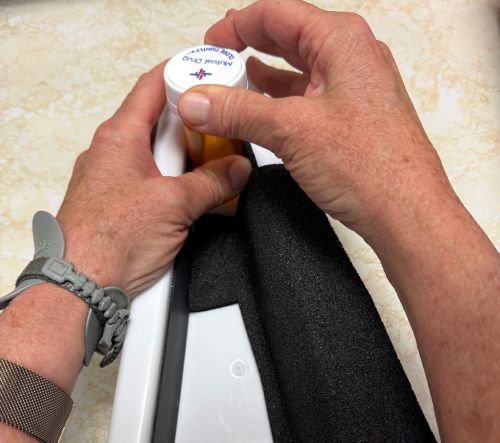
Figure 3: WriStable® Wrist Brace worn for support.
Her progress was monitored throughout therapy, with treatment modified as needed to reduce pain and improve wrist stability.
Conclusion
Simultaneously treating TFCC and SLL injuries requires more than addressing each structure individually. Understanding how work loads the wrist allows the therapist to modify those activities while supporting healing and maintaining function.
In Lisa's case, work modifications, neutral wrist positioning, adaptive equipment, isometric exercises, and wrist support provided a non-surgical approach tailored to her occupational demands.
Identifying how routine work movements affect multiple injured structures makes the difference between simply managing symptoms and creating a practical treatment plan that allows patients to remain functional at work.
Download Clinical Pearl No. 98, Simultaneous Treatment of a TFCC and SLL Tear, September 2026
© BraceLab; 2026 all rights reserved
Disclaimer: BraceLab Clinical Pearls are intended to be an informal sharing of practical clinical ideas; not formal evidence-based conclusions of fact.