
Functional Fitness
-
 Read more about Functional Fitness: Calf Stretch for Ankle Mobility
Tight calves can limit ankle motion and make it harder to clear the foot during walking. Improving calf flexibility helps reduce resistance at the ankle, which is especially important for individuals with drop foot.
-
 Read more about Functional Fitness: Thumb Stability Builder (First Dorsal Interosseous Exercise)
The first dorsal interosseous muscle (FDI) is a small but very important muscle in your hand. It sits between your thumb and index finger and helps move your index finger sideways. Research shows this muscle also plays a big role in keeping the base of the thumb stable, which is important for gripping, pinching, and everyday hand use.
-
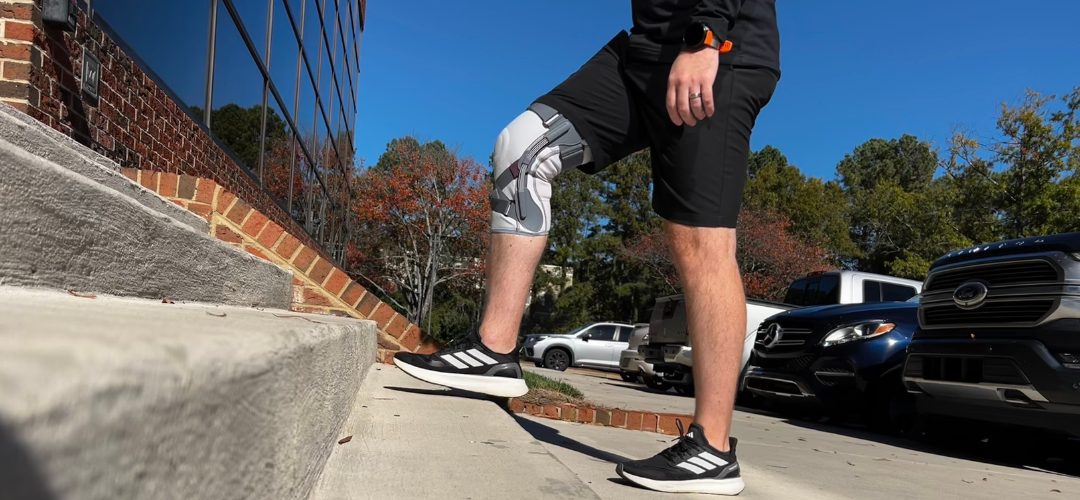 Read more about Functional Fitness: Step Ups
Winter brings challenges that put extra strain on your body. Activities like hiking slippery trails, climbing snowy stairs, or carrying heavy gear through the cold all demand strong, stable knees. Many knee injuries happen because muscles that support the knee aren’t prepared for these movements. Building strength in your quads, hamstrings, and glutes helps control your knee joint and reduces injury risk, especially for beginners experiencing knee pain on the slopes.
-
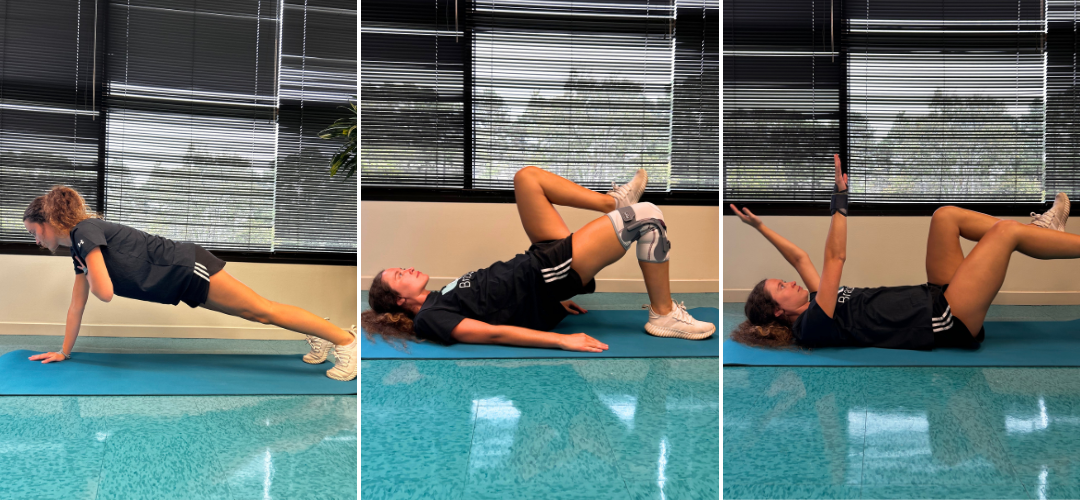 Read more about Functional Fitness: Core Exercises
Activities like shoveling snow, slipping on ice, or even pushing a car in freezing temps can strain muscles that haven’t been used regularly. Many winter injuries stem from overuse of neglected muscle groups, especially when your core isn’t prepared to stabilize your body during sudden, strenuous tasks. A strong core improves movement and stability, helping to prevent serious strain and protect your spine during wintery challenges.
-
 Read more about Functional Fitness: Toe Scrunches
Strong, resilient feet are essential for balance, propulsion, and pain-free movement—especially if you're dealing with plantar fasciitis. Toe scrunches help activate and strengthen the small muscles of the foot, supporting your arch and reducing tension on the plantar fascia. This simple but powerful movement is ideal for athletes, walkers, and anyone rehabbing heel pain.
-
 Read more about Functional Fitness: Football Drills
Improving your agility, coordination, balance, and lower body power is important for excelling on the football field. The following drills are designed to improve these key functional fitness components, helping you change direction quickly, stay balanced during dynamic movements, and generate explosive force.
-
 Read more about Functional Fitness: Dynamic Stretching
Dynamic stretching preps your body for movement, increasing blood flow and mobility without sacrificing strength or stability. Use these moves as part of your warm-up to boost performance and reduce injury risk.
-
 Read more about Functional Fitness: Single Leg Balance
Single leg balances are a powerful way to build ankle, knee, and hip stability while strengthening the smaller muscles that support your joints. They improve balance, coordination, and body awareness-key components for preventing injuries and optimizing athletic performance.
-
 Read more about Functional Fitness: Push Ups
Push-ups are a scalable, full-body exercise that builds upper-body strength and core stability. Progress through variations as you build control and power.
-
 Read more about Functional Fitness: Lateral Bound
Racket sports, like tennis and pickleball, demand quick side-to-side movements and stable landings, especially during volleys and fast lateral shifts. Lateral bounds help strengthen the glutes, quads, and stabilizing muscles in the ankles and knees, which are all crucial for injury prevention and agile court movement.