
Upper Extremity
-
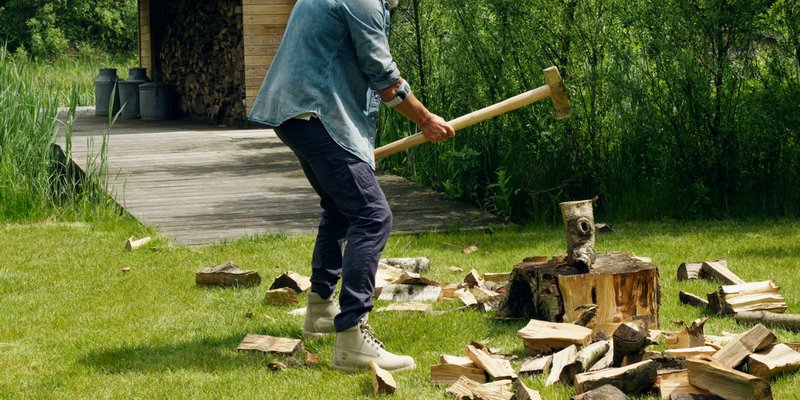 Read more about Tennis Elbow Without Tennis: How Everyday Repetitive Tasks Trigger Inner and Outer Elbow Pain
Tennis elbow is rarely caused by tennis, and golfer's elbow is rarely caused by golf. Most cases come from gardening, mopping, chopping wood, or any repetitive hand and forearm task. Here's how to recognize which side is affected and stop the pattern before it escalates.
-
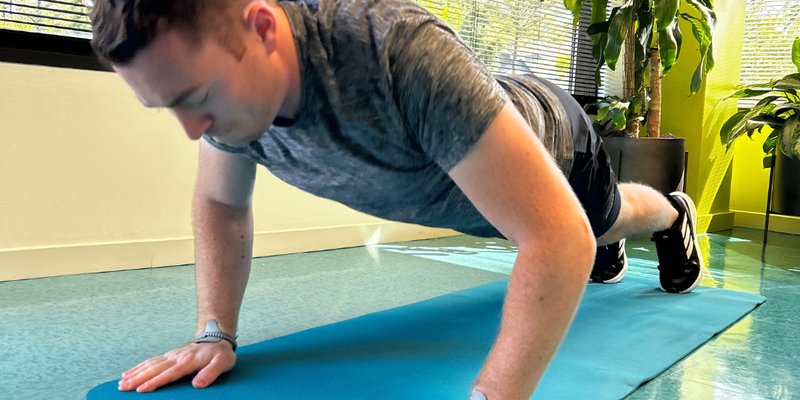 Read more about Why Does My Wrist Click or Feel Unstable During Push-Ups and Weight Bearing?
That clicking sound when you lower into a push-up is hard to ignore. Learn what's actually happening inside a clicking wrist, why scapholunate injuries get missed so often, and the practical steps — from load management to wrist bracing — that genuinely help recovery.
-
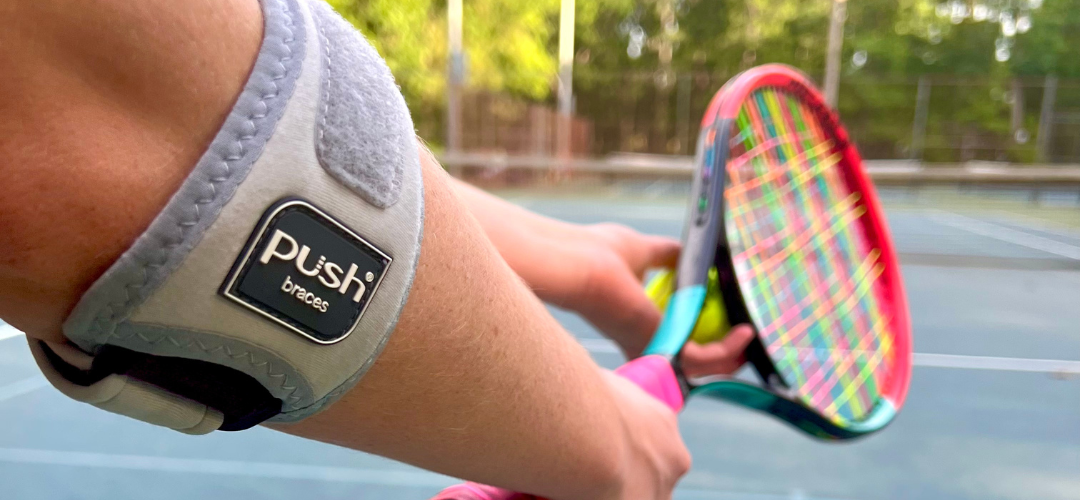 Read more about How to Heal from Tennis Elbow: When a Tennis Elbow Brace Can Help
Tennis elbow, clinically known as lateral epicondylitis, is one of the most common overuse injuries among recreational and amateur athletes. Repeated backhands, volleys, and serves place ongoing strain on the outer elbow tendons, leading to irritation and pain. Over time, even simple daily activities like lifting a bag or pouring coffee can become uncomfortable.
-
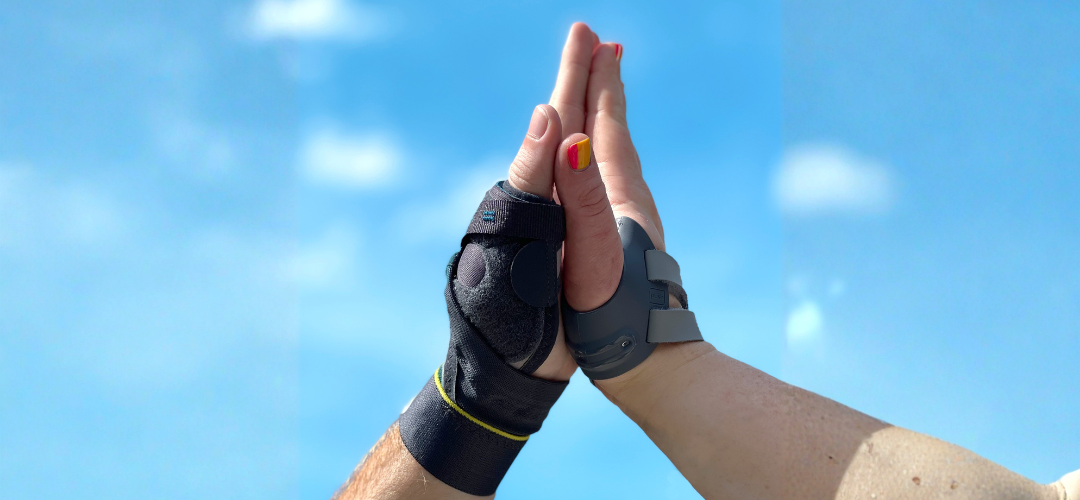 Read more about Which Thumb Brace Do I Need? A Guide to Finding the Right Support for Your Thumb Pain
Thumb pain can interfere with everyday activities like texting, gripping, or even typing. Fortunately, there are many great braces for thumbs that can help alleviate pain and improve thumb function. But with so many options available, how do you know which one is right for you?
-
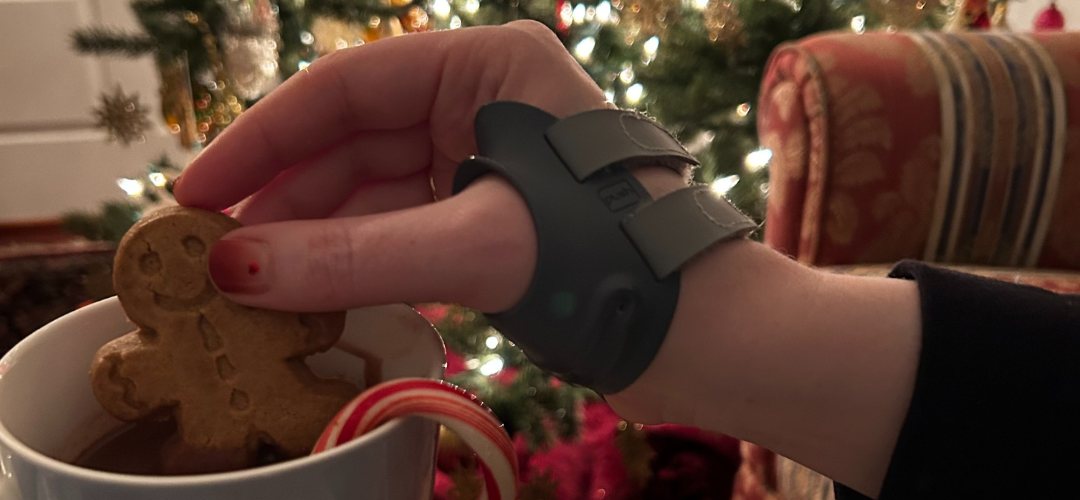 Read more about BraceLab's Holiday Gift Guide: Practical, Cozy Gifts for Loved Ones with Joint Pain
Finding the perfect holiday gift that helps a loved one manage their joint pain, stiffness, or everyday aches can feel quite empowering. It’s a chance to offer comfort, warmth, and a little extra support right when they need it most. Our holiday gift guide rounds up thoughtful, feel-good ideas for the whole body, blending cozy home favorites, helpful wellness items, and supportive products designed to make movement a bit easier.
-
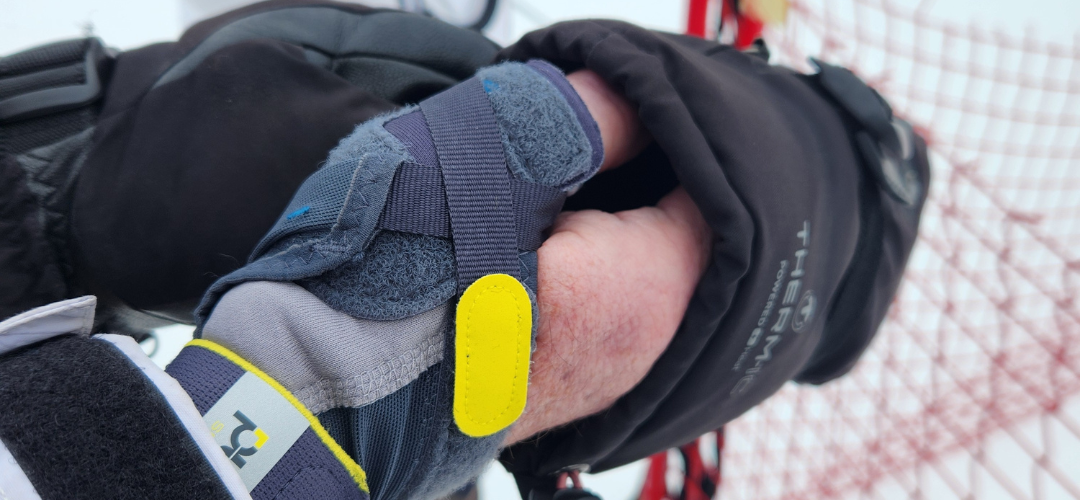 Read more about Winter Sports Ready: BraceLab's Guide to Protecting Your Joints on the Slopes and Trails
Carving through fresh powder, landing your first jump, or reaching a snowy summit feels incredible, until your knee buckles or your ankle twists when you land. Winter sports are thrilling, but they’re also tough on your joints.
-
 Read more about Avoid Winter Injuries: What to Know Before Skiing, Hiking, or Walking on Ice
As winter approaches and activities like skiing, hiking, and snowboarding become more popular, it’s important to understand the potential injuries that often accompany these colder-weather sports. From skier’s thumb and ankle sprains to plantar fasciitis and knee pain, these common issues can disrupt your season if not recognized and addressed early.
-
 Read more about The Role of Recovery: How Proper Rest and Support Lead to Long-Term Success
When it comes to physical fitness and athletic performance, many people focus heavily on training, but often underestimate the role of recovery. Rest does not equal weakness. In fact, muscle recovery and joint support are critical components of long-term health, athletic growth, and daily function. Without proper recovery strategies, like practicing dynamic stretching and building in rest days, the risk of injury increases, and overall performance can stall or decline.
-
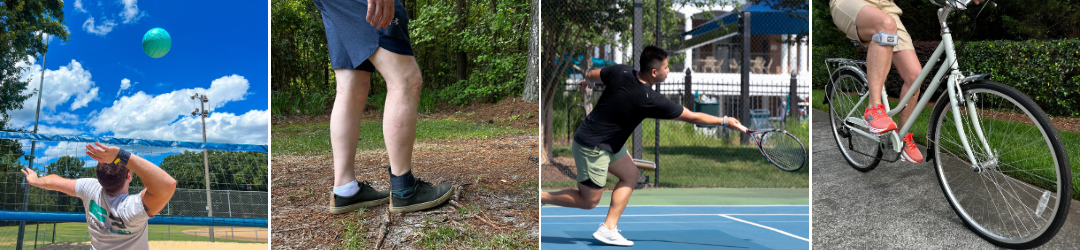 Read more about Stay in the Game: Preventing Common Summer Sports Injuries with Targeted Bracing Solutions
With longer days and warmer weather, summer is the peak season for outdoor sports. Whether you’re hitting the beach for a volleyball match, tackling the trails, or picking up a tennis racket, casual activity often comes with an unexpected downside: injury.
-
 Read more about The Importance of Proper Support: How the Right Brace Can Prevent Long-Term Damage
Do you spend hours typing, texting, or working with your hands or arms—either on a keyboard, in a workshop, or holding tools? If so, you might be at risk for something called repetitive strain injuries.