
Why Do Your Hands Hurt After Thanksgiving Cooking? Common Causes and Hand Pain Relief Tips
Why Do Your Hands Hurt After Thanksgiving Cooking? Common Causes and Hand Pain Relief Tips
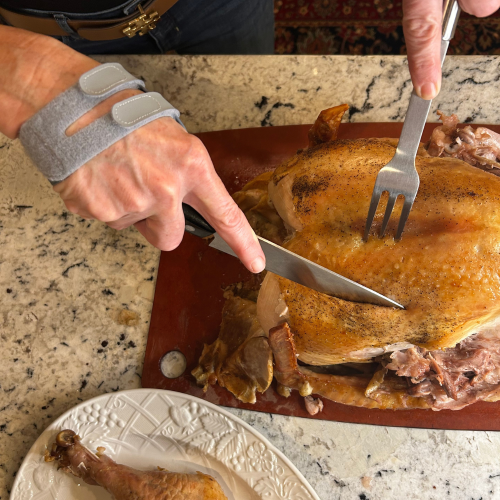
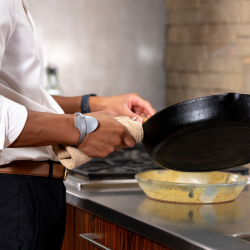
Hand pain after Thanksgiving cooking is often caused by repetitive movements, prolonged gripping, and putting extra strain on your hands. Hours spent chopping vegetables, stirring dishes, and lifting heavy cookware can leave your hands feeling sore, stiff, or tired, especially if you already experience thumb arthritis, wrist pain, or joint discomfort.
To help prevent and relieve hand pain, take regular breaks, choose kitchen tools that are easier to grip, and avoid putting too much pressure on your joints. For those experiencing thumb pain from arthritis, the Push MetaGrip CMC thumb brace provides targeted support at the base of the thumb (the CMC joint), helping make everyday activities like gripping and cooking more comfortable. A few simple adjustments can help you enjoy preparing your Thanksgiving feast with less discomfort.
Common Causes of Hand Pain During Thanksgiving
1. Tendonitis (Tendon Irritation)
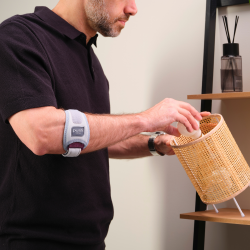
Tendons are strong, flexible tissues that connect your muscles to your bones, helping your fingers, wrists, and elbows move. Repetitive activities like chopping vegetables, whisking, stirring, and cleaning can irritate these tendons, leading to tendonitis. This can cause pain, tenderness, or swelling in your hands, wrists, or elbows, especially after hours of Thanksgiving meal preparation.
2. Carpal Tunnel Syndrome
Carpal tunnel syndrome occurs when a nerve in your wrist becomes compressed, causing numbness, tingling, or weakness in your hand and fingers. Activities like stirring, peeling potatoes, and gripping kitchen utensils for long periods can aggravate existing symptoms, especially when your wrists remain bent for a long time.
3. Hand and Thumb Arthritis
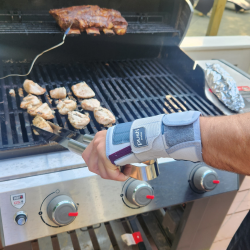
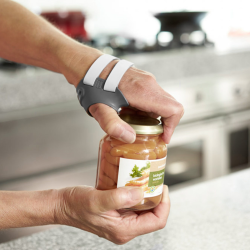
Arthritis occurs when the protective cartilage in your joints wears down or becomes damaged, making movement painful or stiff. Thanksgiving activities like opening jars, gripping utensils, and lifting heavy roasting pans can place extra pressure on already sensitive joints. People with thumb arthritis may especially notice pain at the base of the thumb when gripping or pinching.
4. Hand and Wrist Strain
Preparing a large Thanksgiving meal often involves lifting heavy pots, carrying dishes, and using kitchen tools for extended periods. These activities can overwork the muscles in your hands and wrists, particularly when you're gripping too tightly or using awkward wrist positions. The result may be soreness, fatigue, or discomfort that lasts beyond meal preparation.
5. Holiday Activities and Sports Injuries
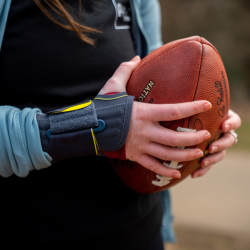
Thanksgiving celebrations often extend beyond the kitchen, from decorating your home to playing backyard football with family. Sudden movements, falls, or repetitive gripping can strain the hands and wrists or cause injuries such as sprains. Existing joint problems may also become more noticeable with increased physical activity.
How to Prevent and Relieve Hand Pain During Thanksgiving Cooking
Whether you're preparing a Thanksgiving feast or dealing with sore hands afterward, a few simple adjustments can help reduce strain, relieve discomfort, and make cooking more enjoyable.
1. Choose Kitchen Tools That Are Easier to Grip
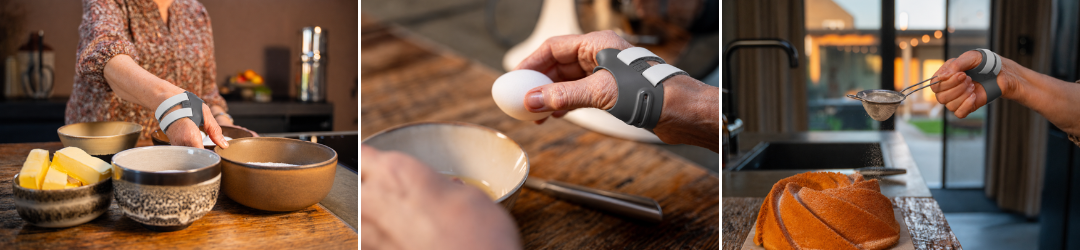
Using kitchen utensils with thin or uncomfortable handles can put extra pressure on your fingers and thumb joints. Choose knives, peelers, and cooking tools with larger, cushioned handles that require less gripping force. Electric can openers, jar openers, and lightweight cookware can also make meal preparation easier, especially for those with hand arthritis.
2. Take Breaks and Give Your Hands Time to Rest
Hours of chopping, stirring, and preparing food can overwork your hand and wrist muscles. Instead of completing everything at once, divide cooking into smaller tasks and take short breaks to rest your hands. Switching between activities and preparing ingredients ahead of time can also help prevent repetitive strain and reduce hand fatigue.
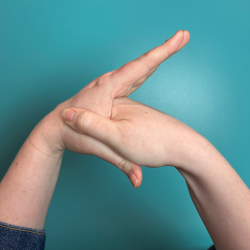
3. Consider a Supportive Thumb or Wrist Brace
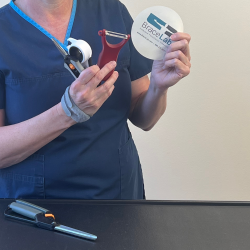
If thumb pain or wrist discomfort makes cooking difficult, the right orthopedic brace can provide targeted support, reduce strain on painful joints, and make everyday activities more comfortable.
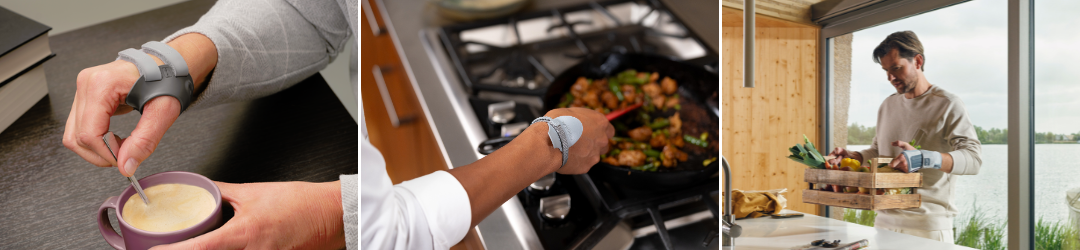
• Push MetaGrip CMC Thumb Brace: Does your thumb hurt when opening jars, chopping vegetables, or gripping kitchen utensils? These everyday activities can be particularly painful for people with thumb arthritis. The Push MetaGrip supports the painful joint at the base of your thumb, helping reduce discomfort while keeping your fingers and thumb free to move. Push MetaGrip's low profile, customizable design makes it comfortable and practical for everyday activities, including cooking.
• WriStable Wrist Brace: If putting pressure on your wrist causes pain, whether you're pushing yourself up from a chair or leaning on your hands, wrist instability may be contributing to the discomfort. WriStable provides targeted support to help stabilize the wrist during weight bearing activities without unnecessarily limiting movement. WriStable’s lightweight design makes it a practical option for people who need support while staying active.
• Push med Wrist Brace: For those experiencing persistent wrist pain, arthritis, or carpal tunnel syndrome, everyday activities can become uncomfortable. The Push med Wrist Brace provides a higher level of stability with specially shaped supports that follow the natural contours of your hand and wrist. Its streamlined design helps limit painful wrist movements while keeping your fingers free for daily activities. For people with carpal tunnel syndrome, wearing the brace at night can also help keep the wrist in a neutral position, reducing pressure on the nerve and helping relieve symptoms like numbness and tingling.
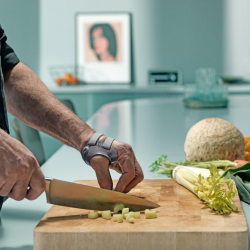
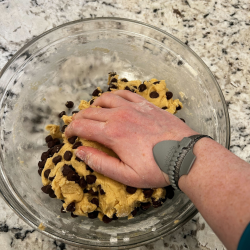
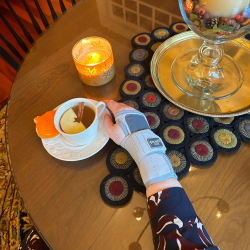
Enjoy Thanksgiving Without Letting Hand Pain Get in the Way
Thanksgiving is a time to enjoy good food and create lasting memories with loved ones, not worry about hand pain. With simple adjustments, proper joint protection, and the right support, you can make holiday cooking more comfortable.
Explore BraceLab's full collection of orthopedic braces, designed to provide targeted support for a variety of joint conditions and everyday activities, so you can keep doing what you love this Thanksgiving and beyond.
Medical Disclaimer:
This content is for educational purposes only and is not a substitute for professional medical advice. Always consult your healthcare provider for diagnosis, fitting, and treatment recommendations.
© BraceLab; 2026 all rights reserved