
Why Does Thumb Arthritis Hurt More in Cold Weather, and What Can You Do?
|
Why Does Thumb Arthritis Hurt More in Cold Weather, and What Can You Do? |
For many people with thumb arthritis, colder weather seems to bring a familiar increase in pain and stiffness. Opening a jar takes more effort. Gripping a cold steering wheel feels uncomfortable. Even pulling open a heavy door can trigger pain at the base of the thumb.
If your thumb CMC arthritis seems worse in cold weather, you are not alone. People with arthritis commonly report changes in joint symptoms as temperatures and weather conditions change. Researchers have studied this connection, although exactly why weather affects arthritis pain, and how much of a role temperature itself plays, is not completely understood.
What we do know is that there are practical ways to make everyday hand use more comfortable when symptoms flare. Below, we'll look at what research tells us about cold weather and thumb arthritis, why your hands may feel stiffer or more painful during the winter, and what you can do to support the thumb and keep using your hands throughout the colder months.
What is CMC Thumb Arthritis
|
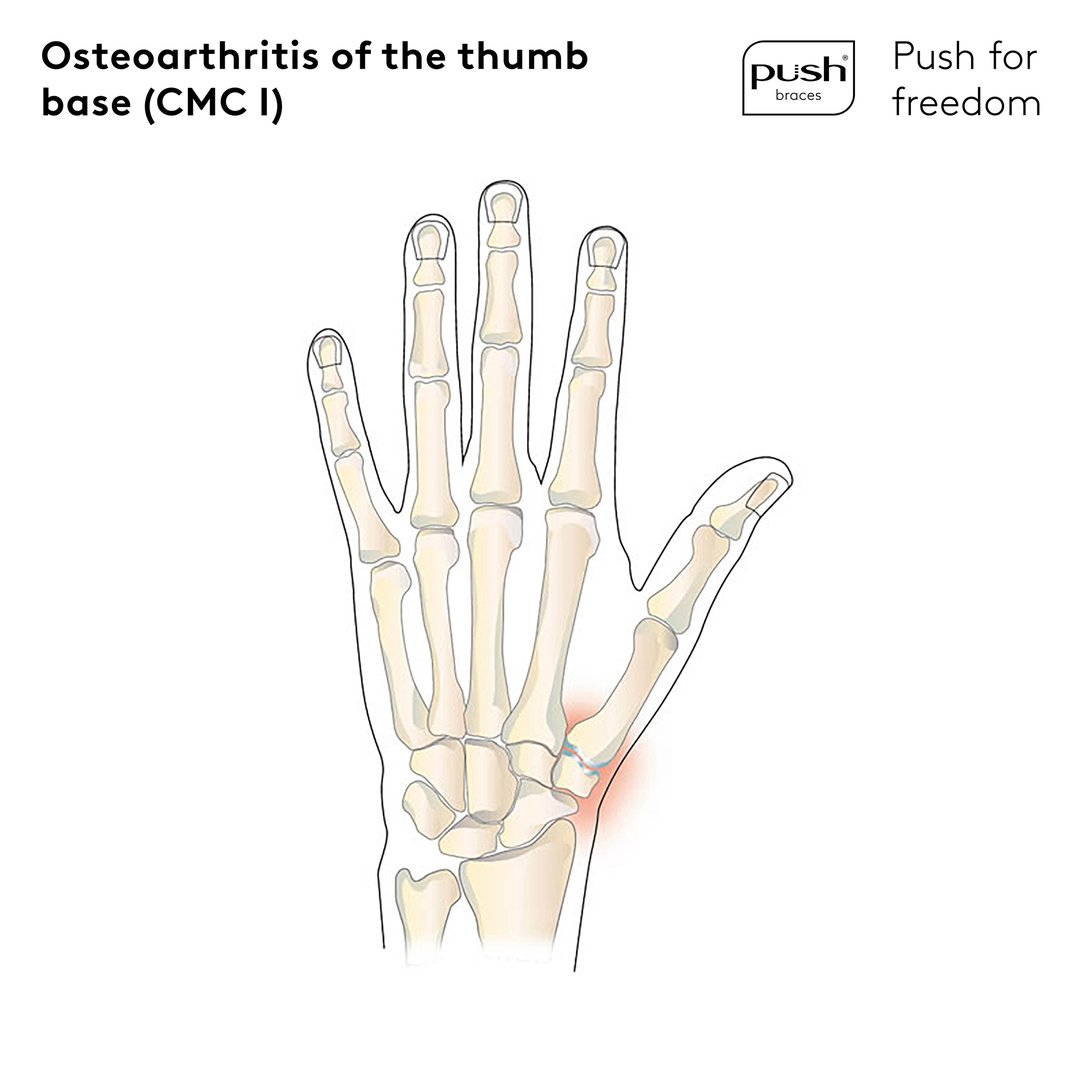
The CMC joint, also called the basal joint, sits at the base of the thumb where it meets the wrist. It is a saddle-shaped joint, which is what allows the thumb to swing across the palm and oppose the fingers. That mobility is why the human hand can pinch and grip so precisely. The tradeoff is load. Pinching with the fingertips can multiply force through the CMC joint many times over, so it is one of the first joints in the body to show osteoarthritic wear. As the cartilage thins, the bones move less smoothly against each other, and the ligaments that hold the joint together become less effective at keeping it stable under load. |
|
That instability is the part cold weather tends to amplify. If you are still working out whether arthritis is what you are dealing with, our article on what causes pain at the base of the thumb walks through the signs.
How Cold Weather Affects Your Thumbs
Tissue Around the Joint Gets Stiffer
Muscles, tendons, and ligaments can feel less flexible when they are cold. As a result, gripping, pinching, and other thumb movements may feel more difficult or uncomfortable when your hands are cold, especially when the joint is already sensitive from thumb CMC arthritis.
Circulation to the Hands Decreases
When you are exposed to cold temperatures, blood vessels in your hands narrow as your body works to conserve heat. This reduced blood flow can make your hands feel colder, stiffer, and less comfortable to move. Because the fingers and thumbs are particularly exposed to the cold, you may notice the effects there quickly.
Joints May Feel Stiffer in the Cold
Synovial fluid is the slippery fluid that helps joints move smoothly. Temperature can affect its viscosity, but the extent to which this explains increased arthritis pain in cold weather is not completely understood. What is clear is that many people with arthritis report more stiffness and discomfort when their hands are cold, particularly when they first begin moving.
Barometric Pressure May Play a Part
Some people with arthritis report increased joint pain when the weather changes, including when barometric pressure falls. Researchers have proposed several possible explanations for this connection, but the evidence is mixed. Weather-related changes in arthritis symptoms are widely reported, although exactly how barometric pressure influences joint pain is not fully understood.
We Move Less in Winter
Colder weather can also mean less activity and more time spent indoors. When your hands and joints go longer periods without movement, they may feel stiffer when you start using them again. Staying active and gently moving your hands throughout the day can help maintain mobility, making this one winter factor you can do something about.
How to Relieve Thumb Arthritis Pain in Cold Weather
Keep Your Hands Warm Before They Get Cold
|
It is easier to keep your hands warm than to warm them back up once they are cold and stiff. Put gloves on before heading outside, warm up the car before gripping a cold steering wheel, and try running warm water over your hands before tasks that require more dexterity. Keeping your hands comfortably warm may help reduce the stiffness and discomfort that can make everyday tasks harder in cold weather. |

|
Start the Day With Gentle Movement
|
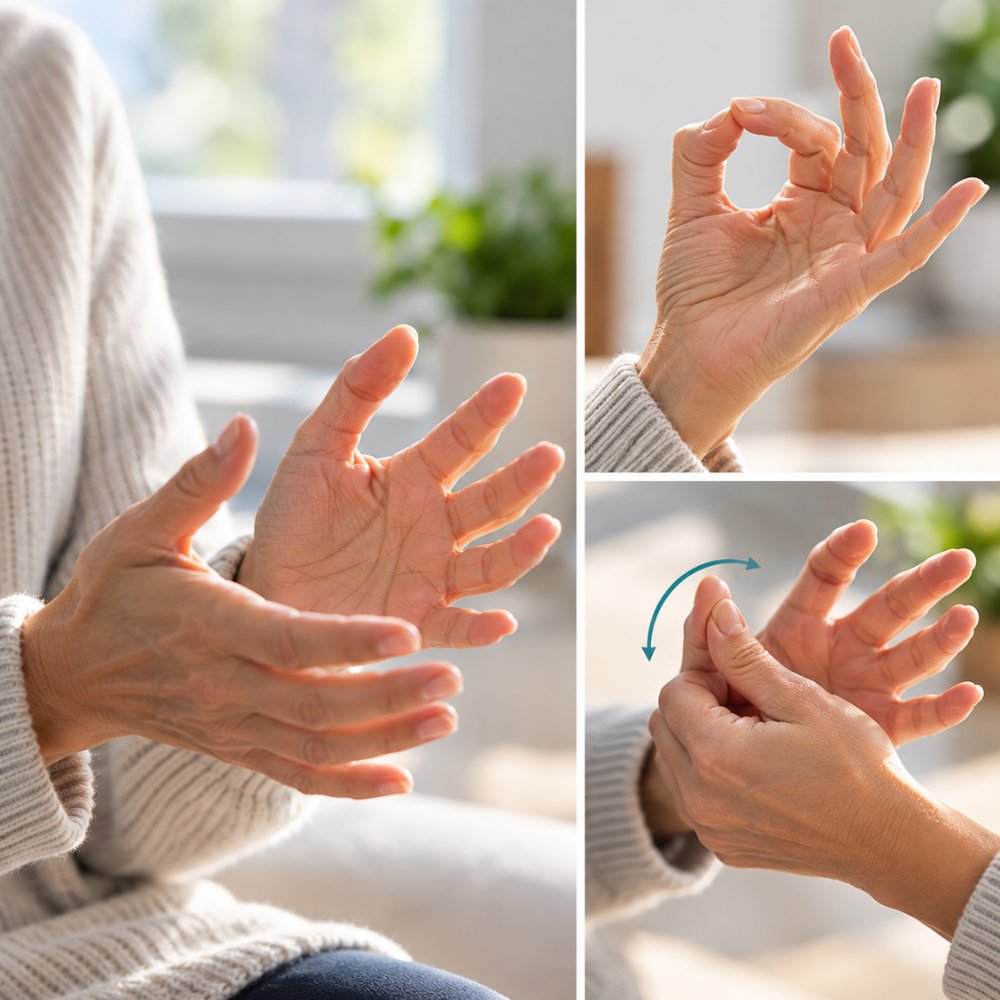
If your thumbs and fingers feel particularly stiff in the morning, a few minutes of gentle movement can help get them moving before more demanding tasks. Slowly open and close your hand, touch your thumb to each fingertip, and move the thumb gently through a comfortable range of motion. The goal is simply to get the hand moving without forcing a painful movement. |
|
Try Heat Before Activity
|
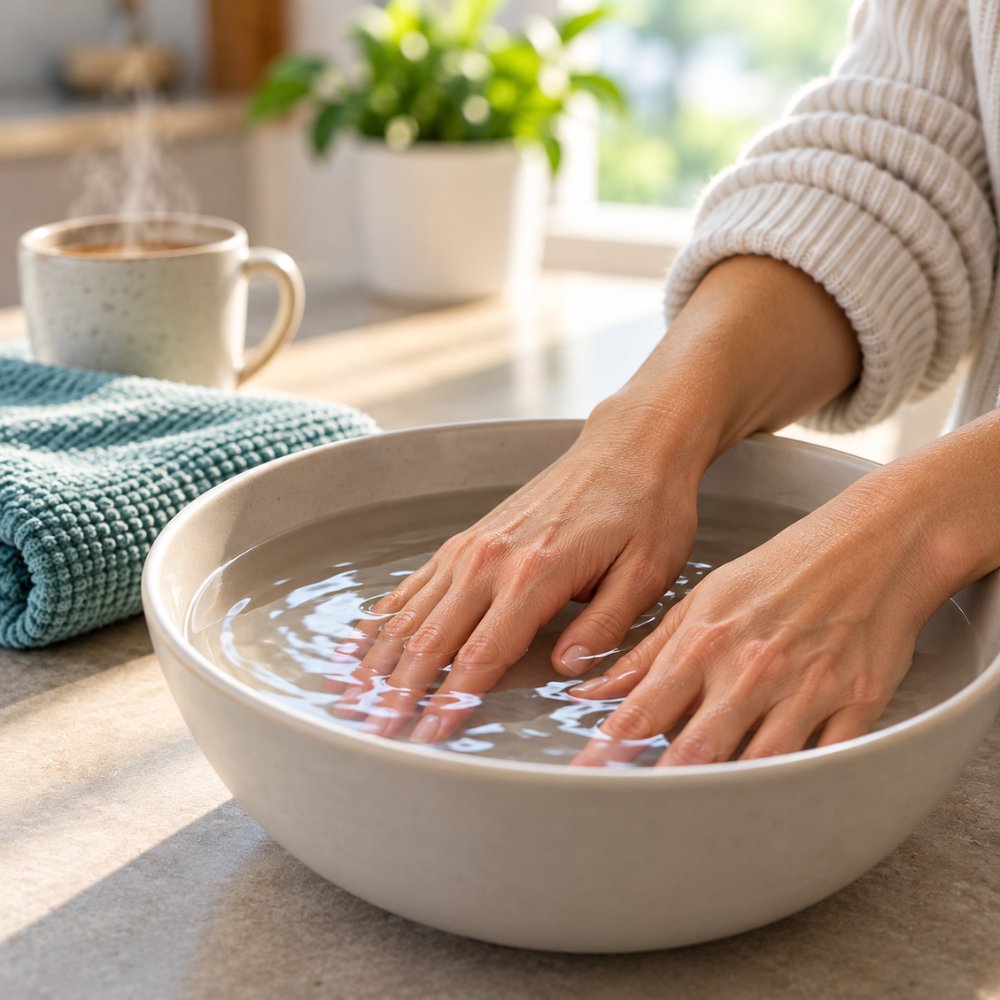
Gentle heat can be soothing when your hands feel stiff. Try a warm compress or soak your hands in warm, not hot, water before activities that involve gripping or pinching. If your thumb becomes painful or swollen after activity, talk with your healthcare provider about whether heat, cold, or another approach is appropriate for your symptoms. |
|
Reduce the Load on Your Thumb Joint
|
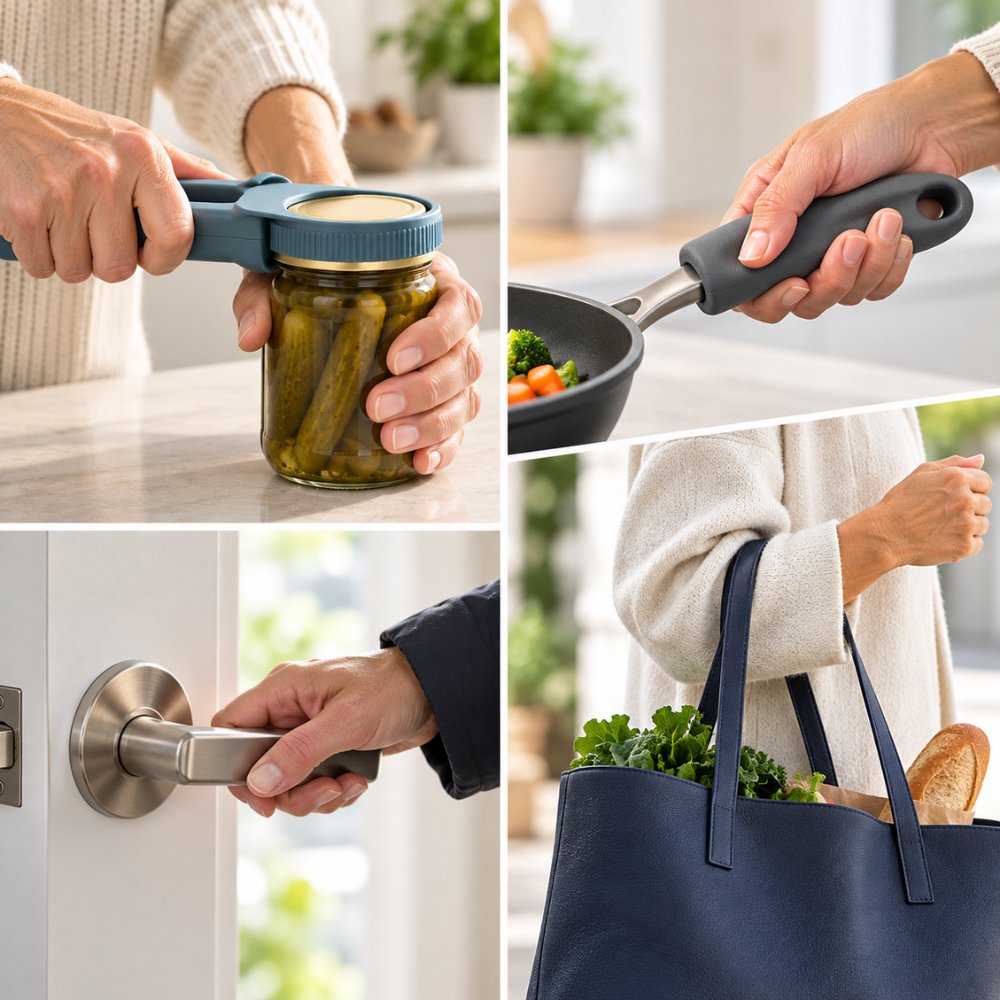
Small changes can make everyday tasks easier on an arthritic thumb. Jar openers, larger or padded handles, and lever-style door handles can reduce how much forceful pinching and gripping you need to do. Carrying a bag over your forearm instead of gripping its handles can also take some of the workload off the thumb. |
|
Support Your Thumb During the Tasks That Hurt
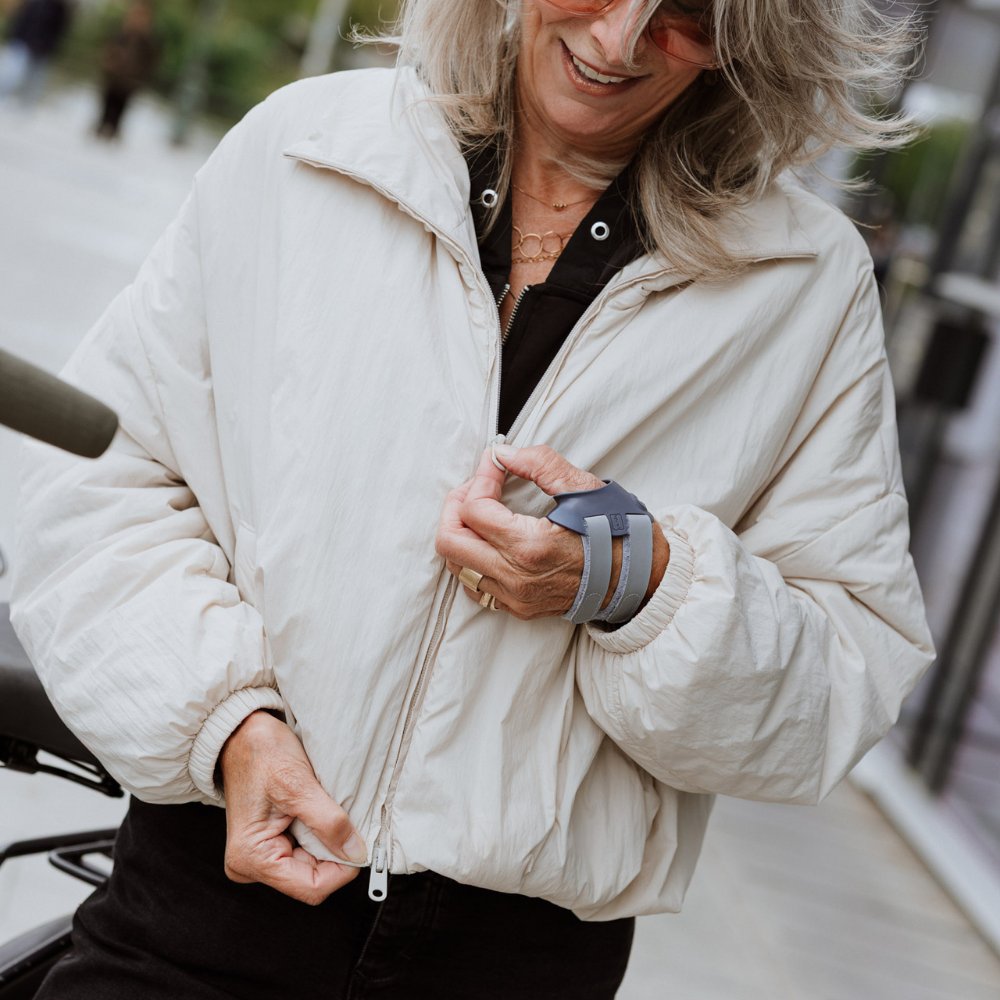
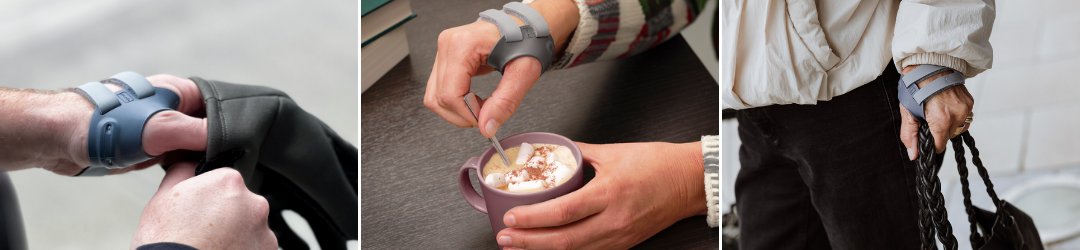
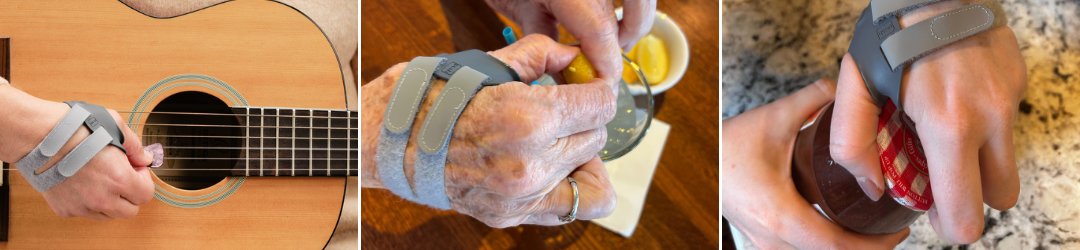
A thumb brace for arthritis can provide additional support during activities that trigger pain. The Push MetaGrip Thumb CMC Brace is designed to stabilize the thumb CMC joint while allowing the rest of the thumb and wrist to move freely. That means you can continue to grip, pinch, and use your hand while giving the painful joint targeted support.
The MetaGrip also has practical advantages during colder months. Its low-profile design can be worn under many gloves, allowing you to keep your hand warm while supporting the CMC joint. And because the brace is water-resistant and washable, you do not have to remove it every time your hands get wet, whether you are washing your hands, doing dishes, or dealing with wet winter weather.
Keep Moving Through the Season
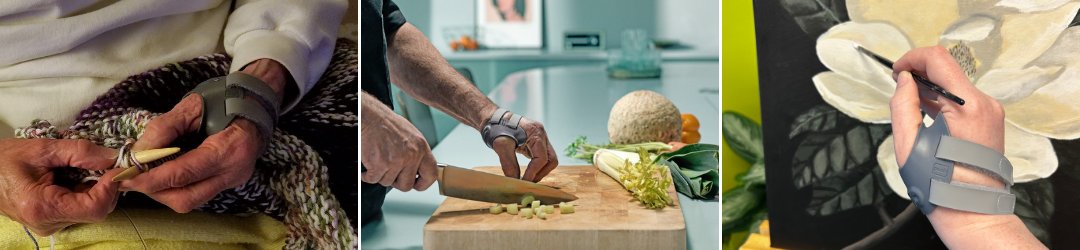
Regular hand use within comfortable limits keeps the joint moving and the surrounding muscles working. Knitting, cooking, and hobbies are worth protecting rather than abandoning, and a supported thumb often makes that possible on days when an unsupported one would not.
When to Speak to a Hand Therapist
Cold-weather aching that settles with warmth and sensible pacing is usually manageable at home. Some patterns deserve professional input sooner.
- Pain that wakes you at night, or that no longer settles with rest
- Visible change in the shape of the joint at the base of the thumb
- Numbness or tingling in the thumb and fingers, which suggests a nerve is involved rather than the joint
- Sudden swelling, redness, or warmth, especially in one hand only
- Weakness that is interfering with daily tasks such as dressing, cooking, or driving
A hand therapist is the right specialist for thumb and wrist conditions. They can confirm the diagnosis, check whether a brace suits your presentation, and show you which exercises help. Not all thumb pain is arthritis, and our article on what else causes thumb pain covers the alternatives worth ruling out.
Key Takeaways
- Cold weather stiffens the soft tissue around the thumb, reduces circulation to the hands, and thickens the fluid that lubricates the joint. Each of those makes an arthritic CMC joint feel worse.
- Barometric pressure is widely reported as a factor and the research on it is mixed, so treat it as one possible contributor rather than the explanation.
- Reduced winter activity is part of the picture, which means some of the seasonal stiffness is within your control.
- Warming the hands before use, gentle movement at the start of the day, and reducing pinch force during tasks are the highest-value habits through the colder months.
- The Push MetaGrip stabilizes the CMC joint during pinching and gripping, can be worn under a glove, and is waterproof and machine washable, which suits winter conditions well.
- Night pain, visible joint change, numbness, or sudden swelling are reasons to see a hand therapist rather than manage it at home.
Frequently Asked Questions
Does cold weather make arthritis worse, or does it just feel worse?
Cold does not accelerate the underlying joint wear. What it changes is how the joint feels and functions on the day: stiffer tissue, cooler hands, and thicker joint fluid. The symptoms are real, and because they come from temperature rather than damage, they respond well to warmth and movement.
Will moving somewhere warm cure my thumb arthritis?
It will not change the joint itself, though many people do report easier days in warmer climates. The more practical version of the same benefit is keeping your hands warm where you already live, which addresses the same mechanism.
Should I wear a thumb brace all winter?
Wear it through the tasks that provoke your pain rather than around the clock. For most people that means gripping, pinching, driving, and hobby work. BraceLab's guidance is to wear a brace through higher-demand tasks and remove it for breaks and exercise.
Can I wear a thumb brace under gloves?
Yes. The Push MetaGrip can be worn under a glove, which is useful in winter because it means you can keep your hands warm and supported at the same time rather than choosing between the two.
Do hand exercises help or make it worse?
Gentle range of motion work generally helps, particularly first thing in the morning. What tends to aggravate a CMC joint is heavy resistance pinching. If an exercise causes pain that lingers afterwards, it is too much for that joint on that day, and a hand therapist can tailor a program to your presentation.
Why do my hands feel worse in the morning?
Joints stiffen during periods of stillness, and overnight is the longest still period most people have. Cold bedrooms add to it. A warm shower or warm water over the hands, followed by gentle movement, shortens that morning stiffness considerably.
Find the Right Support for Thumb Arthritis
If cold weather makes everyday gripping and pinching more uncomfortable, targeted support can help reduce strain on the thumb CMC joint. Explore our thumb brace collection to learn more about the Push MetaGrip Thumb CMC Brace and find the right support for your needs.
If colder temperatures also aggravate discomfort in other joints, our wrist braces and knee braces offer additional support options to help you stay active and comfortable.
Conclusion
For many people with thumb arthritis, colder weather brings increased stiffness and discomfort that can make everyday activities more challenging. While the connection between weather and joint pain isn't fully understood, simple adjustments can help you manage symptoms throughout the winter.
Keeping your hands warm, incorporating gentle movement, reducing strain during gripping and pinching, and using a supportive thumb brace when needed can all make daily tasks more manageable. With the right combination of habits and support, thumb arthritis doesn't have to keep you from enjoying the activities that matter to you, even when temperatures drop.