
Not All Thumb Pain Is Arthritis: How to Identify What's Actually Behind Your Thumb Pain
|
Not All Thumb Pain Is Arthritis: How to Identify What's Actually Behind Your Thumb Pain |
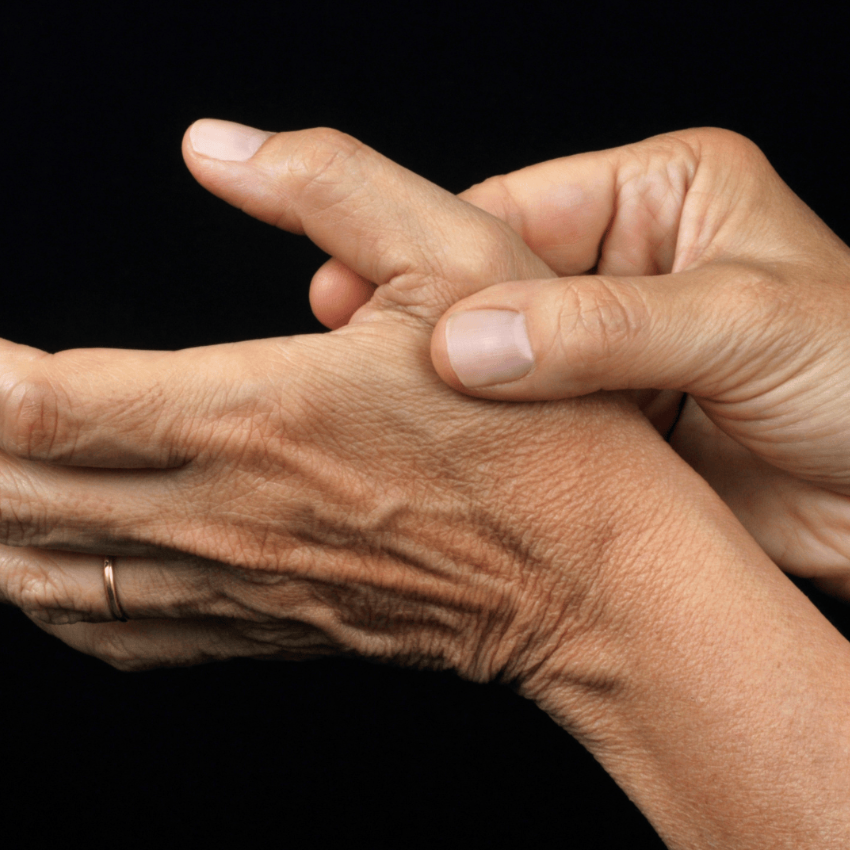
When thumb pain develops gradually, it's easy to assume arthritis is the cause, especially as we get older. And, sometimes it is. Thumb CMC arthritis commonly causes aching at the base of the thumb, particularly when you pinch, grip, or open a jar. But, arthritis isn't the only condition that can cause pain in this area. Several thumb and wrist conditions can feel surprisingly similar, while requiring very different approaches to treatment. Understanding what's actually causing the pain can help you choose the right support and avoid spending weeks treating the wrong problem.
The base of the thumb is a small area of anatomy that hosts a surprising number of separate structures: a saddle-shaped joint, several tendons that travel from the forearm through the wrist and out to the thumb, ligaments that hold the bones in position, and the muscles that give the thumb its remarkable range of motion. Any of these can become the source of pain, and each of them produces a slightly different pattern that is worth learning to recognize.
This article breaks down the most common causes of pain at the base of the thumb, the signs that point toward each one, how to tell them apart at home, when to seek professional assessment, and how to identify the type of brace needed to help alleviate the pain.
Why "Thumb Pain" Is Not One Diagnosis
The thumb takes an enormous amount of daily load through a very small area of the hand. Every time you pinch a key, open a jar, twist a doorknob, or hold a pen, the tendons, ligaments, and joints in and around the thumb work together to generate and stabilize force. Because so many structures are involved, the same general symptom (thumb pain) can point to several different conditions, each with its own cause and its own treatment path.
The five conditions covered below account for the majority of cases. Recognizing which pattern fits your symptoms is what makes it possible to get the right support in place, rather than waiting months for the wrong assumption to resolve.
Please note: this is educational content, not medical advice, and we are not clinicians. The patterns described below are meant to help you recognize what you may be dealing with so you can have a more informed conversation with a specialist. Confirming the actual cause of your thumb pain requires a proper diagnosis from a hand therapist or hand surgeon. If your symptoms are persistent or worsening, seeing one of them is the right first step before any treatment or brace decision.
The Most Common Causes of Pain at the Base of the Thumb
1. CMC Joint Arthritis (Basal Joint Arthritis)
|
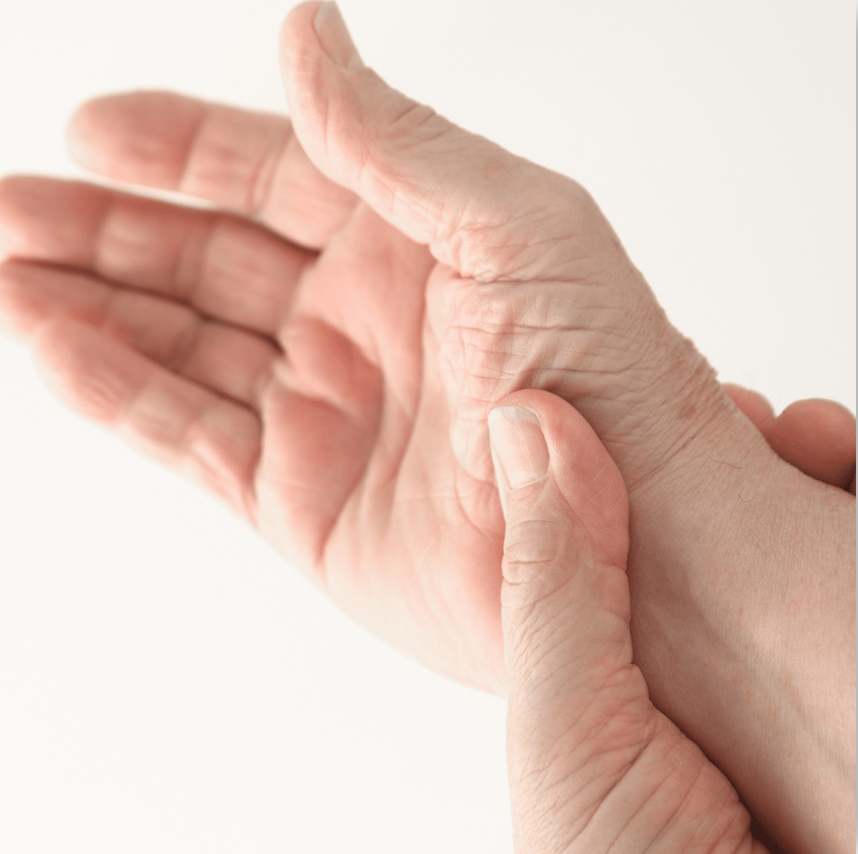
This is the most common cause of persistent pain at the base of the thumb. It is arthritis of the carpometacarpal joint, or CMC joint, the small saddle-shaped joint at the base of the thumb. Over time, the cartilage that cushions the joint wears down, and the compressive forces that pass through it during pinching and gripping start producing pain. What it typically feels like:
|
|
CMC arthritis is more common in women (lifetime prevalence estimated at roughly one in four), rises steadily after age 40, and is often linked to a family history of osteoarthritis or a previous thumb injury.
2. De Quervain's Tenosynovitis
|
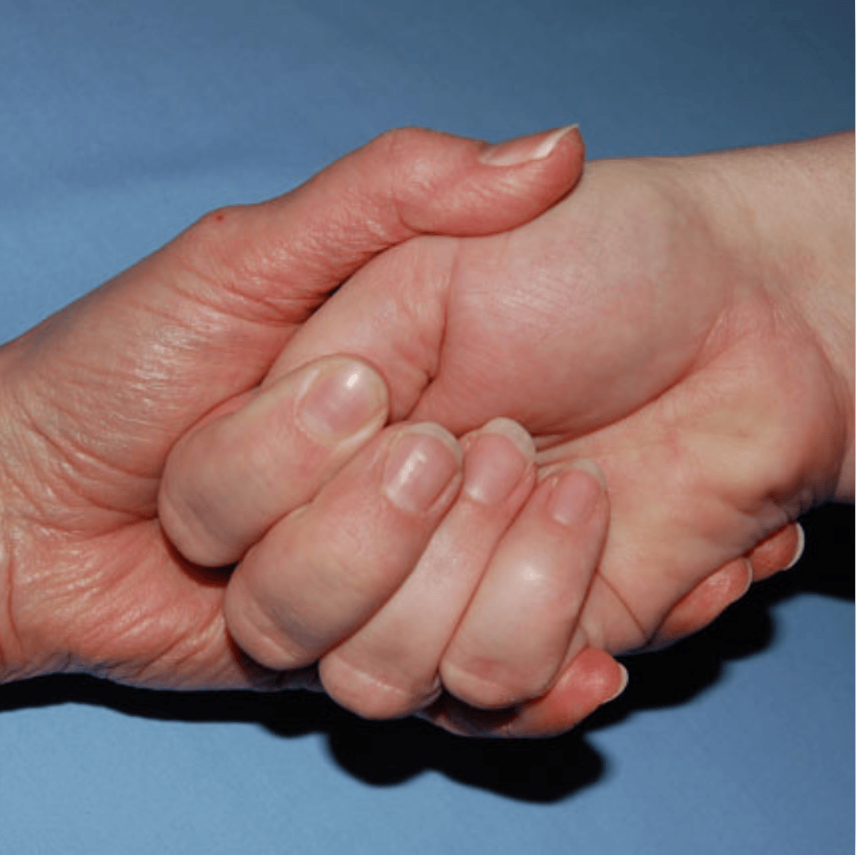
De Quervain's is inflammation of the sheath surrounding two specific tendons on the thumb-side of the wrist (the abductor pollicis longus and extensor pollicis brevis). It is often confused with CMC arthritis because the pain sits in the same general area, but the mechanism and location are actually different. What it typically feels like:
|
|
De Quervain's often develops after a period of repetitive lifting or twisting. It is particularly common in the postpartum period, where a combination of hormonal changes and the repetitive lifting that comes with caring for a newborn creates a well-recognized risk pattern. It also shows up in people doing repetitive wrist and thumb work such as scanning items at a register or heavy phone use with the thumb.
3. Trigger Thumb
|
Trigger thumb (technically stenosing tenosynovitis of the thumb flexor tendon) develops when the tendon sheath that guides the thumb's flexor tendon becomes inflamed or thickened. The tendon then struggles to glide smoothly, and the thumb can lock in a bent position or snap when straightened. What it typically feels like:
|
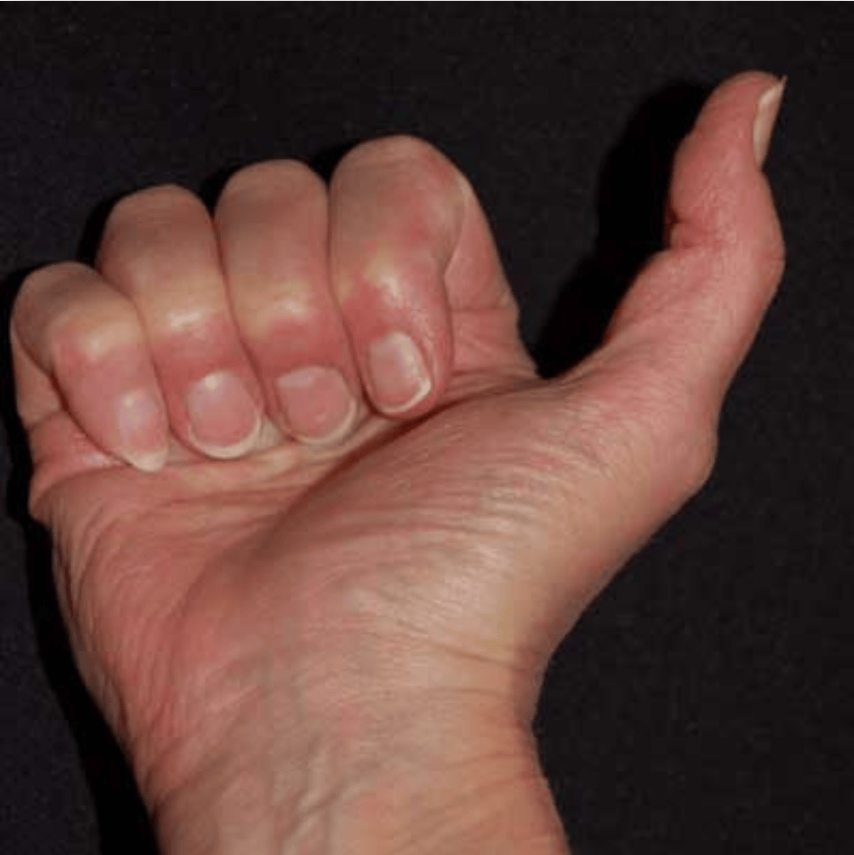
|
Trigger thumb is more common in people with diabetes and in those who do repetitive gripping or pinching tasks. Common examples include pruning shears or secateurs used through a long gardening session, extended time gripping a steering wheel, playing a stringed instrument such as guitar, or repeatedly squeezing spray triggers when cleaning. Because it involves a mechanical tendon problem rather than joint wear, the treatment path is quite different from CMC arthritis.
4. Thumb Ligament Injuries (UCL Sprain / Skier's Thumb / Gamekeeper's Thumb)
|
The thumb has a strong ligament (the ulnar collateral ligament, or UCL) on the pinky-facing side of its middle knuckle that holds the joint stable during pinching and gripping. It can be sprained or torn during a fall onto an outstretched hand or ski pole, which is why the injury is sometimes called skier's thumb. It can also develop from chronic overuse, in which case it is sometimes referred to as gamekeeper's thumb. What it typically feels like:
|
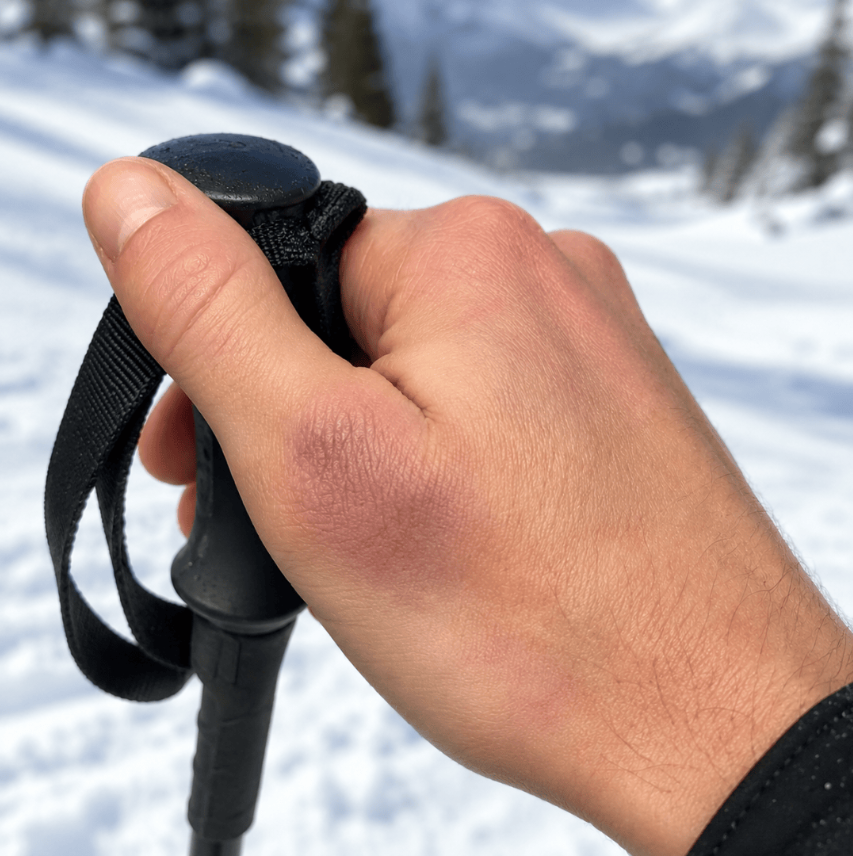
|
UCL injuries need proper assessment because a complete tear may need surgical repair to restore full function. A hand therapist or hand surgeon can grade the injury and guide treatment.
5. Less Common Causes Worth Ruling Out
Several less common conditions can also produce pain in the same area, and it is worth knowing they exist:
- Fracture, particularly of the scaphoid (a small wrist bone) or a Bennett's fracture at the base of the thumb metacarpal, is worth ruling out with imaging after any fall or impact that produces sharp, immediate pain.
- Ganglion cyst, a fluid-filled lump that can appear at the base of the thumb or on the wrist and cause pressure-related discomfort.
- Rheumatoid arthritis is an autoimmune condition, not wear-and-tear damage. It typically affects both thumbs symmetrically, produces morning stiffness that lasts more than an hour (compared with the 20 to 30 minutes typical of osteoarthritis), and often involves other joints in the body along with systemic symptoms such as fatigue. A rheumatologist can confirm the diagnosis with blood tests, which is worth pursuing if the pattern fits.
- Carpal tunnel syndrome and other nerve problems at the wrist can sometimes cause pain that is felt near the base of the thumb. When that pain is accompanied by numbness or tingling in the thumb, index, or middle fingers, the discomfort may be coming from irritation or compression of a nerve at the wrist rather than from the thumb joint itself.
How to Tell the Difference at Home
The following comparisons are not diagnostic tests. They are meant to help you recognize the most likely pattern in your own symptoms so you can bring a clearer picture to a hand therapist, physical therapist, or doctor. Confirming the actual diagnosis requires a clinician.
- Pain most obvious at the joint itself, worst with pinching or opening jars, gradual onset over months, weakening pinch grip: most likely CMC arthritis.
- Pain on the thumb-side of the wrist that flares with the Finkelstein test (tuck thumb, bend wrist toward little finger), often triggered by a period of repetitive lifting: most likely De Quervain's.
- Clicking, catching, or a thumb that locks in a bent position: most likely trigger thumb.
- Sudden pain after a fall, ski accident, or specific injury with swelling and bruising: possible UCL injury (skier's thumb).
- Both thumbs affected symmetrically, prolonged morning stiffness (over an hour), joint pain elsewhere in the body: worth ruling out rheumatoid arthritis with a doctor.
A quick note on the Finkelstein test for De Quervain's: it is a well-established clinical maneuver that a hand therapist will often perform during an assessment, and doing a gentle version at home can be a useful early indicator. However, forceful versions of the test can flare the condition, so keep the movement slow and controlled if you are trying it on yourself.
When to See a Hand Therapist
Thumb pain that lasts more than a couple of weeks, worsens with everyday activities, or is accompanied by any of the following signs warrants a proper clinical assessment sooner rather than later:
- Pain that has persisted more than 2 to 4 weeks without meaningful improvement
- Significant weakness in your pinch or grip
- The thumb locking in a bent position or catching noticeably during movement
- Numbness, tingling, or radiating pain in the thumb or fingers
- Recent trauma (a fall, direct impact, or sudden twisting injury)
- Visible swelling, deformity, or a bump that was not there before
- Both thumbs affected symmetrically with prolonged morning stiffness
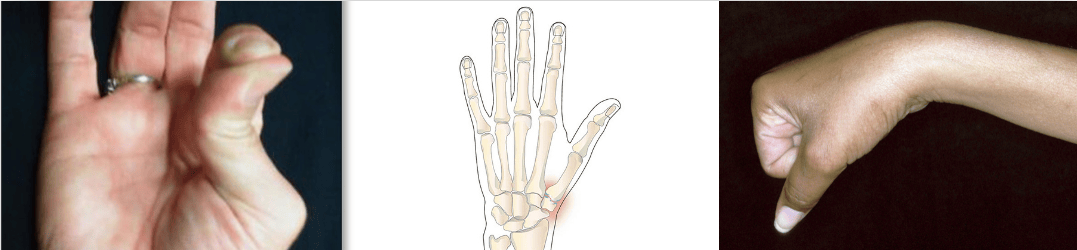
A hand therapist is the ideal specialist to see first for thumb pain. They specialize in the small joints, tendons, and ligaments of the hand and can distinguish between CMC arthritis, De Quervain's, trigger thumb, ligament injuries, and other causes through a targeted clinical exam. A hand surgeon can also assess and treat these conditions, and for injuries or advanced cases, imaging or surgical consultation may be part of the workup.
Matching the Right Brace to the Diagnosis
Getting the right diagnosis is important because different conditions require different types of support. A brace that isn't suited to the cause of your pain may not provide the relief you need and could delay finding a more effective treatment.
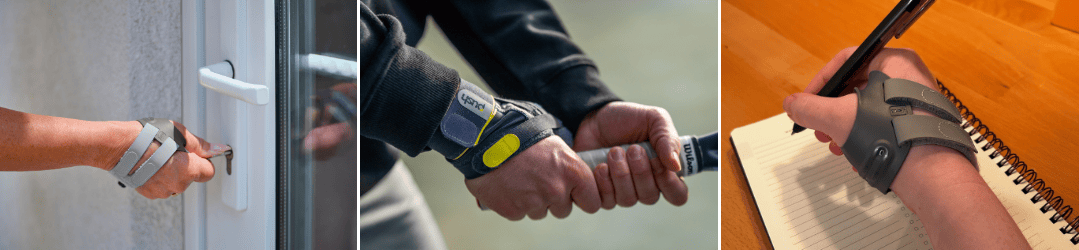
For CMC joint arthritis, the appropriate support is a brace anatomically designed to stabilize the basal joint while leaving the fingers free for daily activity. The Push MetaGrip is BraceLab's dedicated clinical option for CMC arthritis and instability, and it sits within the broader thumb braces collection alongside braces for other thumb-related conditions.
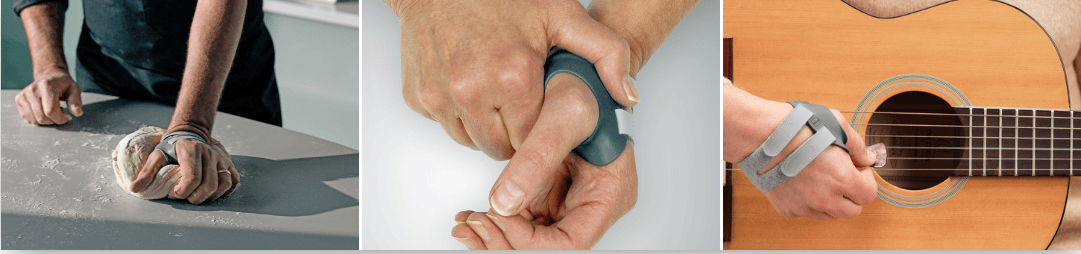
For De Quervain's tenosynovitis, the appropriate support is a thumb-spica brace that immobilizes both the thumb and the wrist, giving the inflamed tendon sheath a chance to settle. A hand therapist can guide you toward the right style based on the severity of your symptoms.
For trigger thumb, a brace that immobilizes the middle joint of the thumb overnight is often used to prevent the tendon from catching in the pulley through the night, allowing the sheath inflammation to reduce.
For UCL or ligament injuries, the required support depends heavily on the grade of the injury. Mild sprains may respond to a supportive splint, while complete tears may require surgical repair followed by structured post-surgical bracing. A hand therapist or hand surgeon should guide this.
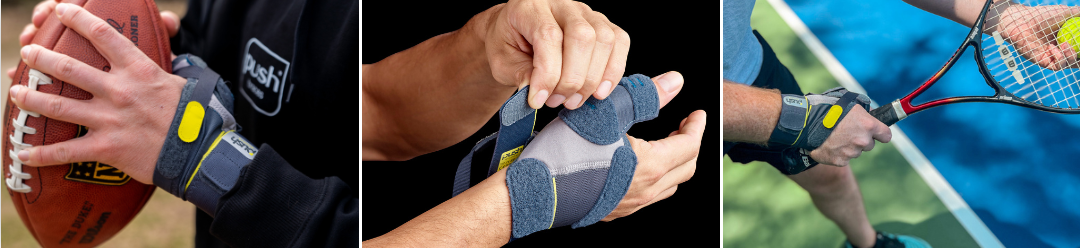
The takeaway: matching the brace type to the actual condition matters more than choosing the strongest-looking brace on the shelf. The right diagnosis is the first step, and the right brace flows naturally from there.
Key Takeaways
- Pain at the base of the thumb has multiple possible causes. CMC arthritis is the most common, but De Quervain's tenosynovitis, trigger thumb, UCL ligament injuries, and less common issues (fracture, ganglion cyst, rheumatoid arthritis) can all produce pain in the same area.
- The pattern of symptoms is often distinctive enough to point toward the likely diagnosis. Pinch-and-grip pain suggests CMC arthritis; wrist-side pain with the Finkelstein test suggests De Quervain's; clicking or catching suggests trigger thumb; post-fall pain with instability suggests a UCL injury.
- You cannot reliably self-diagnose thumb pain. A hand therapist, physical therapist, or doctor should confirm what is actually happening before you commit to a treatment or brace.
- The right brace depends entirely on the correct diagnosis. A CMC brace like the Push MetaGrip suits basal joint arthritis; a thumb-spica splint suits De Quervain's; a middle-joint splint suits trigger thumb; and ligament injuries require injury-graded support.
- Seek assessment sooner rather than later if pain persists beyond 2 to 4 weeks, worsens with daily activity, or is accompanied by locking, weakness, numbness, or recent injury.
Frequently Asked Questions
How do I know if my thumb pain is arthritis or something else?
The clearest signal for CMC arthritis is pain that concentrates at the joint itself, worsens during pinching or opening jars, comes on gradually over months, and is accompanied by weakening pinch grip. Wrist-side pain that flares with the Finkelstein test suggests De Quervain's. Catching or locking during thumb movement suggests trigger thumb. Sudden pain after a fall suggests a possible ligament injury. A hand therapist can confirm the actual cause with a targeted clinical exam, which is the right step before starting any treatment.
Can I have more than one condition at the same time?
Yes. It is not uncommon for someone with CMC arthritis, for example, to also develop De Quervain's from compensating with different movement patterns to avoid the arthritic joint. A hand therapist can identify overlapping conditions and design a treatment plan that addresses both.
Will the same brace work for all types of thumb pain?
No. The type of brace that helps depends on the condition. CMC arthritis needs a brace that stabilizes the basal joint. De Quervain's needs a thumb-spica splint that immobilizes both the thumb and the wrist. Trigger thumb needs a brace that keeps the middle joint of the thumb still, often overnight. Using the wrong brace for the condition rarely helps and can sometimes delay recovery.
How long should I wait before seeing someone about thumb pain?
If pain has lasted more than 2 to 4 weeks and is not steadily improving, if it is worsening with daily activities, or if you notice weakness, locking, numbness, or recent injury, get an assessment. Early diagnosis meaningfully improves outcomes for most thumb conditions and prevents the compensation patterns that can create secondary problems elsewhere in the hand and wrist.
Is thumb pain always related to overuse?
Not always. CMC arthritis, ligament injuries after a fall, rheumatoid arthritis, and referred nerve pain can all develop without any obvious overuse pattern. The activity history is one clue among several, but it is not the whole story, and a proper assessment can distinguish between overuse-driven conditions and other causes.
Find Support for Your Thumb Pain
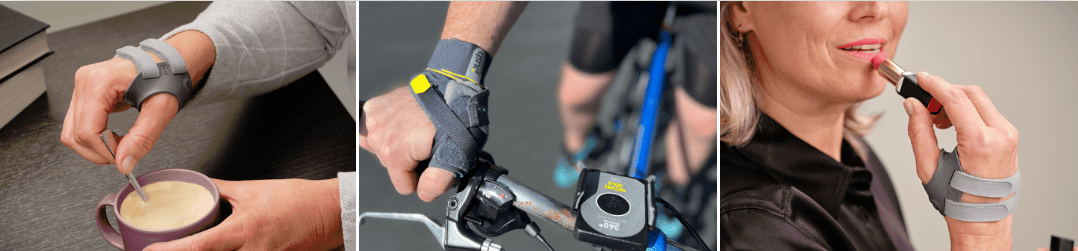
Once you and your hand therapist have identified what is actually behind your thumb pain, the next step is getting the right level of support in place. Explore the range of thumb braces available for CMC arthritis and other thumb-related conditions to compare options, find your size, and get clinically informed support shipped straight to you. For the wider selection of clinician-designed braces across all joints, browse BraceLab.
Conclusion
Thumb pain is easy to underestimate until you notice how many small daily tasks depend on it. The instinct to assume arthritis is understandable, but it is not always right, and each of the possible causes calls for a different treatment path.
Recognizing which type of thumb pain you are actually dealing with, and getting a proper assessment from a hand therapist, puts you in a much stronger position to protect your thumb function for the long term. The right diagnosis is the first step, and the right support follows from there.