
Wrist
-
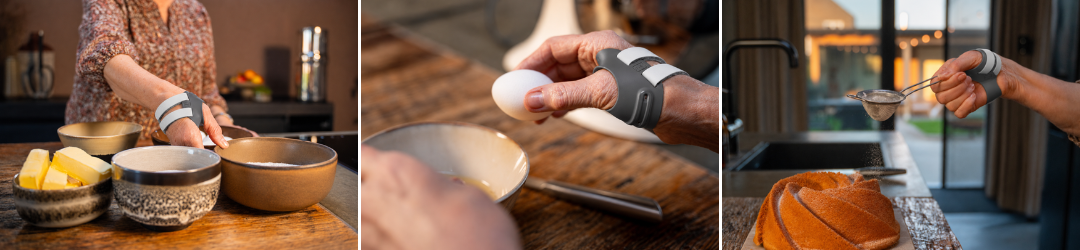 Read more about Why Do Your Hands Hurt After Thanksgiving Cooking? Common Causes and Hand Pain Relief Tips
Hand pain after Thanksgiving cooking is often caused by repetitive movements, prolonged gripping, and putting extra strain on your hands. Hours spent chopping vegetables, stirring dishes, and lifting heavy cookware can leave your hands feeling sore, stiff, or tired, especially if you already experience thumb arthritis, wrist pain, or joint discomfort.
-
 Read more about Can You Wear a Wrist Brace in Water for Swimming and Water Sports?
Water is one of the best places to keep moving while your wrist recovers, but most wrist braces are not built to get wet. Here is what happens to a standard brace in the pool, which BraceLab wrist brace can be worn in water, and what to do if the one you own is not water-safe.
-
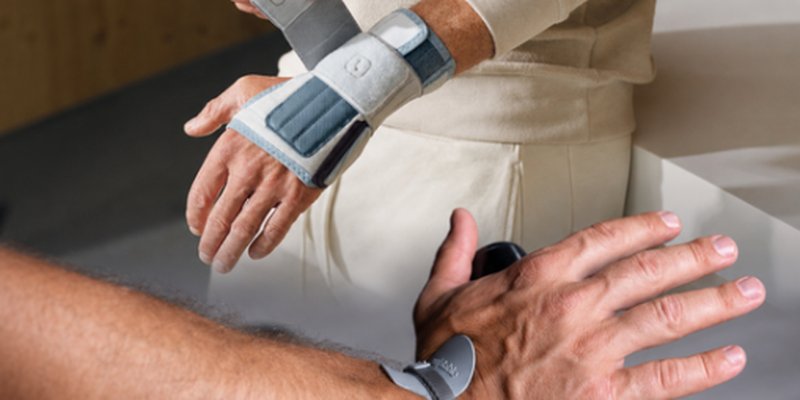 Read more about WriStable vs Push med Wrist Brace: Which One Is Right for Your Condition?
Wrist pain is disabling in ways most people don't realize until they can't grip a kettle or type a report. The WriStable and Push med Wrist Brace are both clinically regarded — but they're built for different problems. Here's how to match the right brace to your specific condition.
-
 Read more about The Best Braces for Pickleball: Elbow, Wrist, Knee, and Ankle Support for Court Players
Pickleball is the fastest-growing sport in the U.S. — but with that growth comes a surge in overuse injuries to the elbow, wrist, knee, and ankle. Here's a clear breakdown of the best braces for each joint, when to use them, and how to match the right support to your specific risk profile.
-
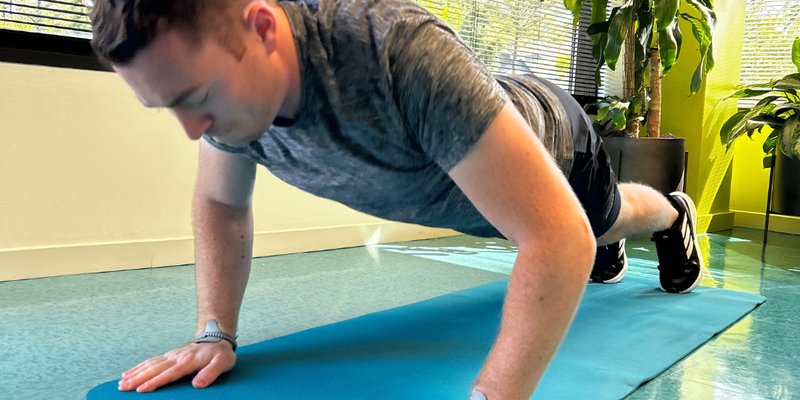 Read more about Why Does My Wrist Click or Feel Unstable During Push-Ups and Weight Bearing?
That clicking sound when you lower into a push-up is hard to ignore. Learn what's actually happening inside a clicking wrist, why scapholunate injuries get missed so often, and the practical steps — from load management to wrist bracing — that genuinely help recovery.
-
 Read more about How to Measure for a Brace: Wrist, Knee, Thumb, Ankle - Complete Sizing Guide
Getting the right brace fit changes everything — comfort, healing time, and how much support you actually get. This complete sizing guide walks you through clear measurement steps for wrist, knee, thumb, foot, and ankle braces so you order the right size the first time.
-
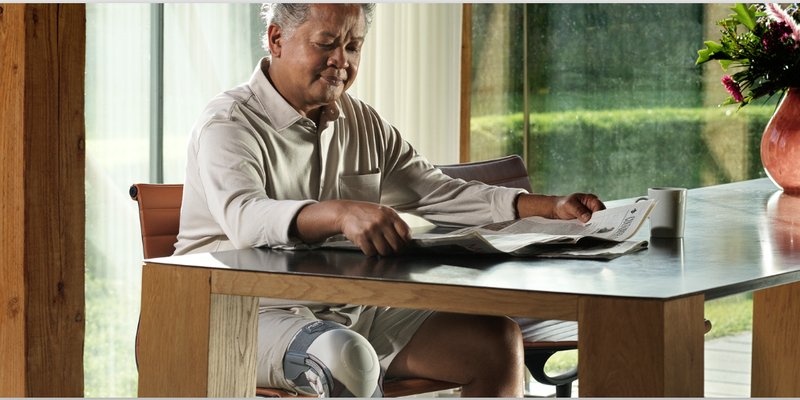 Read more about Why Push Braces Are Different: Clinician-Designed Features Explained
Clinicians constantly balance protection, function, and patient comfort — Push Braces were built to make that balance easier through real clinical problem-solving, not marketing. Here's a breakdown of the design principles that set them apart, who they're built for, and how to use them in practice.
-
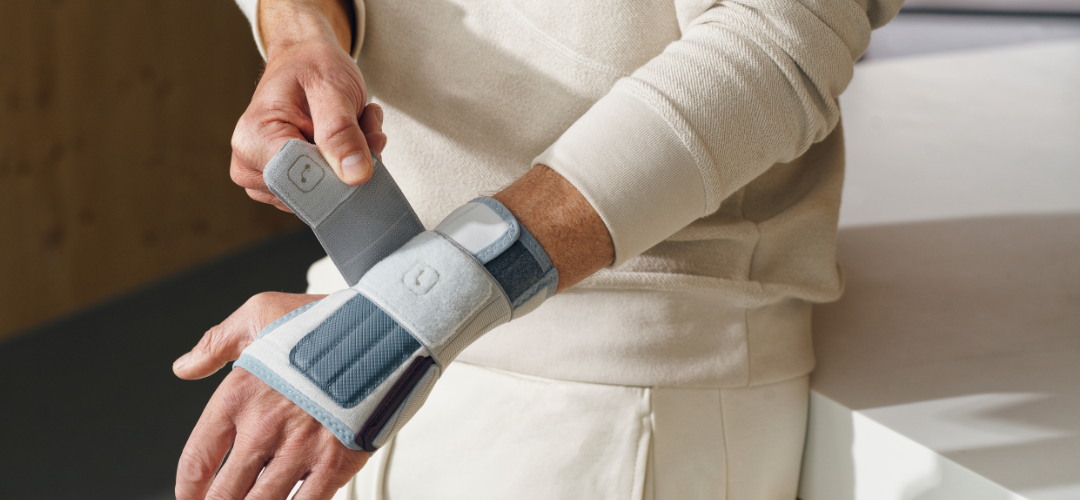 Read more about Wrist Brace for Carpal Tunnel: Which Brace Works Best for Night and Daytime Use?
When carpal tunnel symptoms keep coming back, like wrist discomfort, numbness, tingling, or a lingering ache, it can be hard to know which wrist brace will help and what time of day to use it. The short answer: a well-fitted neutral wrist splint is your best bet at night, and a lower-profile, more flexible brace tends to win during the day. Below, you'll learn exactly how a wrist brace for carpal tunnel works, the key differences between night and daytime options, and how to pick (and wear) the right one so you can protect your hands without pausing your life.
-
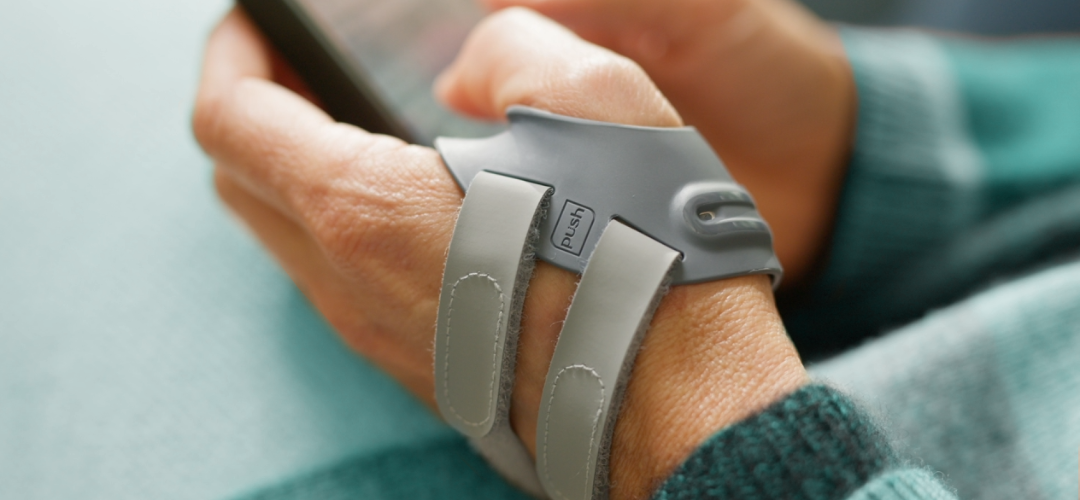 Read more about Thumb CMC Osteoarthritis: When The Push MetaGrip Helps, Sizing, and Daily UseThumb carpometacarpal (CMC) osteoarthritis is a condition affecting the base joint of the thumb, causing discomfort and hindering daily activities such as gripping or pinching objects. This article discusses this condition and explores how using the Push MetaGrip Thumb CMC orthosis can assist with management. In addition, we provide guidance on sizing and daily usage, ensuring optimal benefits.
-
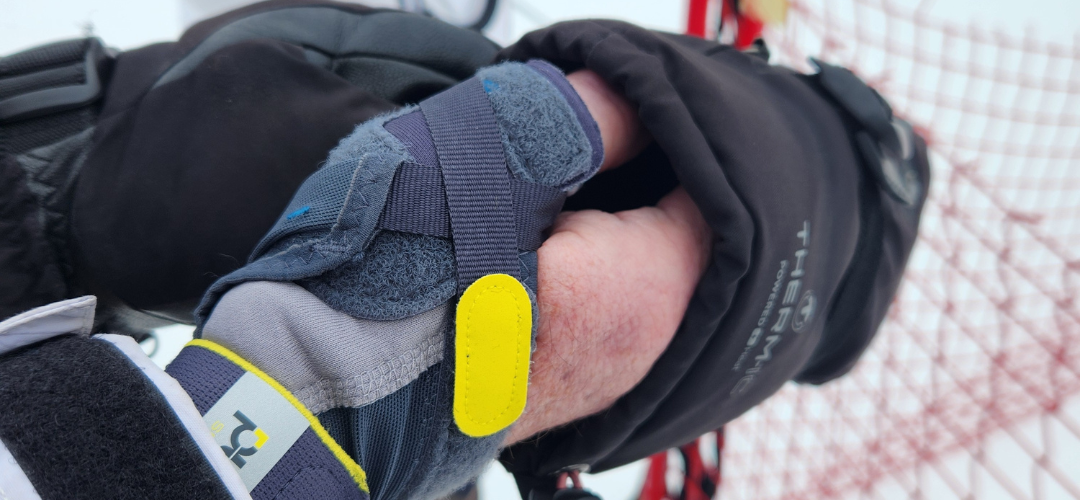 Read more about Winter Sports Ready: BraceLab's Guide to Protecting Your Joints on the Slopes and Trails
Carving through fresh powder, landing your first jump, or reaching a snowy summit feels incredible, until your knee buckles or your ankle twists when you land. Winter sports are thrilling, but they’re also tough on your joints.