
Can You Wear a Wrist Brace in Water for Swimming and Water Sports?

|
Can You Wear a Wrist Brace in Water for Swimming and Water Sports?Medically reviewed by Jerry Ditz, DPT, Dip. Osteopractic, Cert. SMT, Cert. DN |
Water is one of the best places to keep moving while your wrist recovers. Swimming, aquatic therapy, and other water-based activities can reduce stress on the joint while still keeping you active. The challenge is that most wrist braces are not designed for repeated exposure to water, chlorine, or salt, so if you need support in the pool, it matters which brace you choose.
Most standard wrist braces (the kind built for tendinitis, carpal tunnel, and everyday wrist support) are made from materials that do not tolerate immersion, and chlorine or salt water shortens their life fast. A few wrist braces can be worn in water, and when one of them also matches your wrist condition, you can keep your support on through swimming or aquatic therapy.
This article covers why most wrist braces are not water-safe, what actually happens when you get one wet, which BraceLab wrist brace is designed for water use, and what to do if the brace you already own is not built to get wet.
Which Wrist Braces Can Be Worn in Water
You can wear a wrist brace in water only if the brace is made to get wet. Many standard wrist braces are not designed for prolonged water exposure. Depending on their materials and construction, repeated immersion can cause padding to become waterlogged, affect fit, or shorten the life of the brace. Wearing them in the pool, the ocean, or the shower shortens their lifespan significantly and can also make them uncomfortable or less effective.
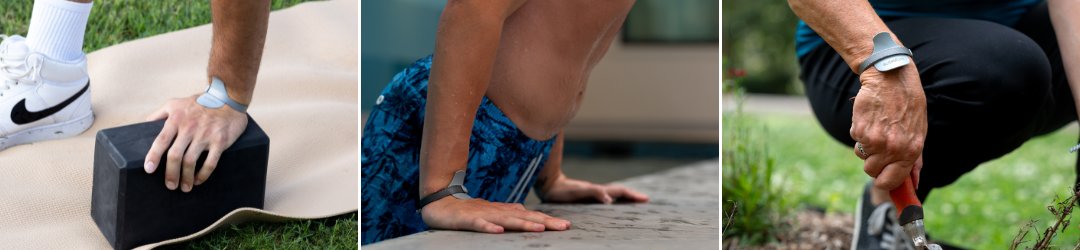
The WriStable Wrist Brace from BraceLab is one of the few wrist braces built to be worn in water. It is specifically designed for weight-bearing and end-range wrist pain, and its material set can safely handle swimming, water aerobics, and other water-based activities. If water sports are a real part of your life, the WriStable is the wrist brace built for the water.
Why Most Wrist Braces Are Not Water-Safe
Standard wrist braces run into three problems the moment they get soaked:
- Foam and padding materials absorb water and take hours to dry. Wearing a wet brace all afternoon after a morning swim is uncomfortable and can irritate the skin.
- Metal stays and reinforcements can corrode over time, especially in chlorinated pool water or salt water. Once corrosion starts, it can degrade the brace's structural support.
- Straps, hook-and-loop closures, and stitching lose their integrity faster when repeatedly wet and dried. A brace that used to fit snugly can become too loose to provide meaningful support.
None of this makes standard wrist braces bad products. They are simply built for daily activity, not for water immersion. Using them the way they are designed to be used means keeping them out of the water.
The WriStable Is a Wrist Brace Designed for Water Use
|
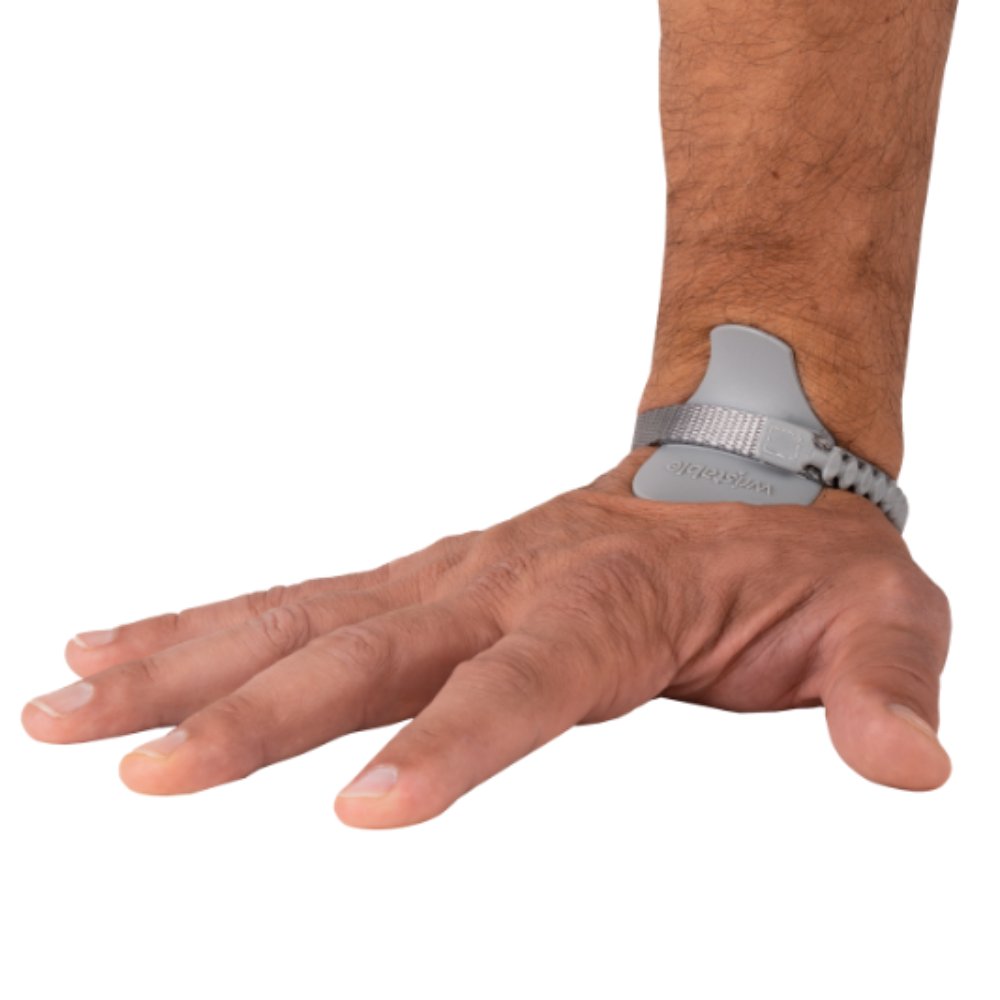
The WriStable Wrist Brace is one of the rare wrist braces from BraceLab that can be worn in water. It's machine washable, built from durable materials that hold up to repeated wet-and-dry cycles, and listed by BraceLab as suitable for swimming and other water activities. The WriStable was designed for the painful loaded wrist: the joint that hurts under weight, whether that's during push-ups, yoga poses, or pushing off the pool wall in a swim. |
|
Water activities can place different types of load on the wrist. Swimming strokes, paddleboarding, and aquatic rehabilitation may involve gripping, resistance, or wrist movement that can aggravate certain wrist conditions. For people managing scapholunate instability, dorsal impingement, hypermobility, or pain during weight-bearing, the WriStable supports the wrist through those same movements in the pool, so you can stay active without aggravating the joint.
Water Sports and Activities You Can Do With the WriStable
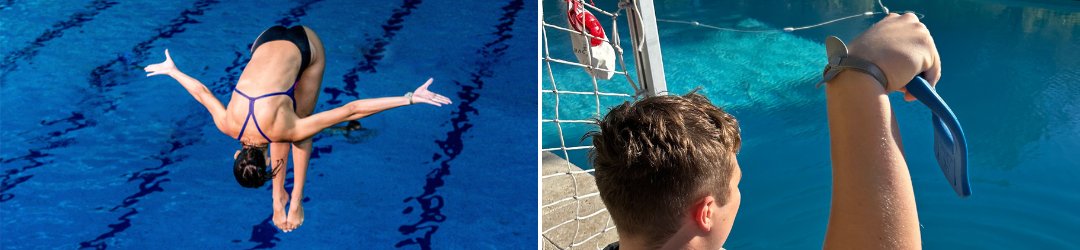
According to BraceLab, the WriStable is used across a range of everyday activities including swimming. In practice, that means the brace fits into pool-based rehab and general water fitness in ways most standard wrist braces cannot. Activities that pair well with the WriStable include:
- Lap swimming and general recreational swimming
- Water aerobics and pool-based fitness classes
- Aquatic physical therapy for wrist recovery
- Paddleboarding (SUP) and other gentle water sports
- Light water resistance training
Higher-impact water activities like surfing, wakeboarding, and water skiing are a natural fit for the WriStable. Pushing off a surfboard, gripping wakeboard handles, and controlling a water ski all put weight through the wrist, the same load the WriStable was built to support. Whether those movements are appropriate for your wrist condition depends on where you are in recovery, and a hand therapist can confirm that before you return to a higher-impact water sport.
How to Prepare the WriStable for Water Use
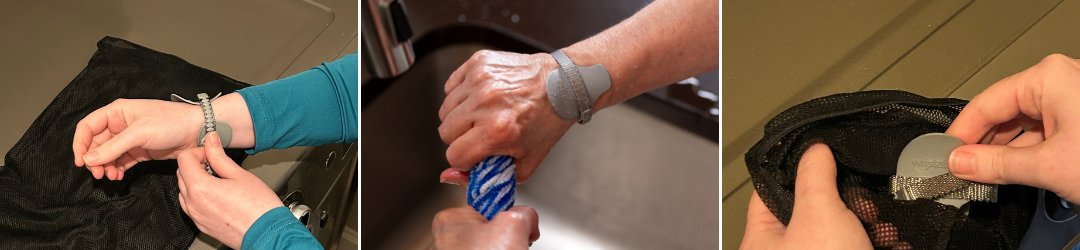
The WriStable's adjustable strap controls how much support the brace provides and how far your wrist can bend toward the painful end of its range. Water stretches that strap slightly, so before you swim, wet the brace and retighten the strap to restore the level of support you rely on out of the pool. When you're done, take the brace off, towel dry your skin and the brace, and put it back on.
A few other practical notes:
- Rinse the brace with fresh water after a swim in chlorinated or salt water. This extends the life of the materials considerably.
- Let it air dry fully between uses. Do not put it in a dryer.
- Follow the manufacturer's washing instructions for periodic deeper cleaning.
- Bring a small towel to pool sessions so you can pat the brace down before putting it back on later or storing it in a bag.
What to Do If Your Current Wrist Brace Is Not Water-Safe
If you already own a wrist brace that is not designed for water use, you have a few practical options for staying active in the pool without damaging it or losing wrist support entirely.
- Take the brace off for water time. For many wrist conditions, gentle swimming without a brace is safer than swimming with a brace that is not built for it, particularly if your condition is mild or you can modify strokes to reduce wrist load.
- Use kinesio tape as a temporary support. Waterproof tape can offer some proprioceptive input and mild support during a pool session, though it does not replace the mechanical stability of a proper brace. A hand therapist can show you the right taping technique for your specific condition.
- Consider whether the WriStable fits your specific wrist condition. It was designed for scapholunate instability, dorsal abutment/impingement, weight-bearing wrist pain, and mild wrist hypermobility. If your everyday brace is treating one of those, the WriStable makes sense as a water-safe complement in your rotation. If your condition is different (tendinitis or carpal tunnel, for example), talk with your hand therapist about the right water plan for you.
- Ask your hand therapist about modifying your water activity. Sometimes a small change in stroke or activity choice (backstroke instead of front crawl, for instance) reduces wrist load enough to swim comfortably without a brace at all.
When to Consult a Hand Therapist
Water-based activity is often one of the best ways to stay active during wrist recovery, but the right approach depends on the specific condition you are managing. If any of the following apply, it is worth talking with a hand therapist or physical therapist before adding water sport back into your routine:
- You are recovering from a wrist fracture, surgery, or significant ligament injury
- You have not yet been given clearance for weight-bearing activity
- You are unsure whether swimming or a specific water sport is safe for your specific diagnosis
- You are managing a condition (like scapholunate instability, TFCC injury, or persistent wrist pain) that has not been formally assessed
- You experience new or worsening pain after water activity
A hand therapist can confirm which activities are appropriate, recommend whether a water-safe brace fits your case, and design a return-to-water plan that supports recovery rather than setting it back.

Key Takeaways
- Most wrist braces are not designed for water use. Wearing a standard wrist brace in the pool or ocean can damage the materials and shorten its lifespan significantly.
- The WriStable can be worn in water and is machine washable, per BraceLab's product page. It's the right water brace when your wrist condition matches its indications: scapholunate instability, dorsal abutment/impingement, weight-bearing wrist pain, or mild wrist hypermobility.
- Before wearing the WriStable in water, wet it and retighten the strap. The strap stretches slightly when wet, and pre-adjusting keeps the brace snug through your swim.
- After swimming in chlorinated or salt water, rinse the brace in fresh water and let it air dry fully before the next use.
- If your current wrist brace is not water-safe, options include taking it off for water time, using waterproof kinesio tape for temporary support, or asking your hand therapist whether the WriStable would work for your specific condition as a water-safe addition.
- For any wrist condition beyond mild everyday discomfort, a hand therapist should confirm which water activities are appropriate and how to support the joint during them.
Frequently Asked Questions
Can I shower with my wrist brace on?
Only if the brace is specifically rated for water. Most standard wrist braces should be taken off for showers and baths to preserve the materials. The WriStable is the exception in the BraceLab lineup and can be worn in the shower if you prefer.
Will chlorine damage a water-safe wrist brace like the WriStable?
Not with normal use. The materials are chosen to handle repeated water exposure, including chlorinated pools. Rinsing the brace with fresh water after a swim extends its life further by removing chemical residue between uses.
Can I wear a wrist brace for surfing or wakeboarding?
The WriStable can handle the water exposure involved in these sports, but whether the specific movements are appropriate for your condition depends on the wrist issue you are managing. High-impact water sports place significant loads on the wrist, so a hand therapist should confirm the activity is safe for you before adding a brace and heading out.
How long does a water-safe wrist brace last?
It depends on how often it is used and how well it is cared for. Regular rinsing after chlorine or salt exposure, proper air drying, and following the manufacturer's cleaning instructions all extend brace life significantly. If a brace begins to lose its snug fit, shows visible material breakdown, or no longer provides the support it used to, it is time to talk with your hand therapist about a replacement.
Can I use waterproof tape instead of a brace in the pool?
Kinesio tape can provide some proprioceptive input and mild support during a water session, but it does not replace the mechanical stability of a properly designed brace. For light water activity or as a bridge while you consider a water-safe brace, it is a reasonable temporary option. For anything more demanding, a real brace is a better answer.
Find a Water-Safe Wrist Brace That Fits Your Activity
If water sports or aquatic therapy are part of your routine and you need wrist support that can go in the pool with you, the WriStable is the brace built for exactly that. Explore the BraceLab wrist brace collection to see the WriStable alongside the other clinician-designed wrist supports available, so you can compare options and find the right match for your activity and condition. For the wider selection of clinician-designed braces across every joint, browse BraceLab.

Conclusion
The idea that you have to choose between wearing your wrist brace and staying active in the water is only true if you are working with the wrong brace. Most wrist braces on the market are not built for water, and using them in the pool damages them without doing your recovery any favors. But the small number of wrist braces designed for water use open up a completely different possibility.
If swimming, water aerobics, or aquatic therapy is part of how you want to stay active while your wrist heals, look for a brace built for it. The right one lets you keep doing what matters to you, without asking you to leave your support behind at the pool's edge.