Why Push Braces Are Different: Clinician-Designed Features Explained
|
Why Push Braces Are Different: Clinician-Designed Features Explained |
Clinicians are constantly balancing protection, function, and patient comfort. Push Braces were developed to make that balance easier, not through marketing slogans, but through clinicians solving real problems they encountered in practice.
This article explains the key Push Braces features in detail, including the principles behind their design, what sets Push Braces apart from conventional supports, and practical guidance for when and how to use them.
Expect specifics you can apply immediately to improve outcomes and streamline follow-up.
What Are Push Braces and Who Are They for?
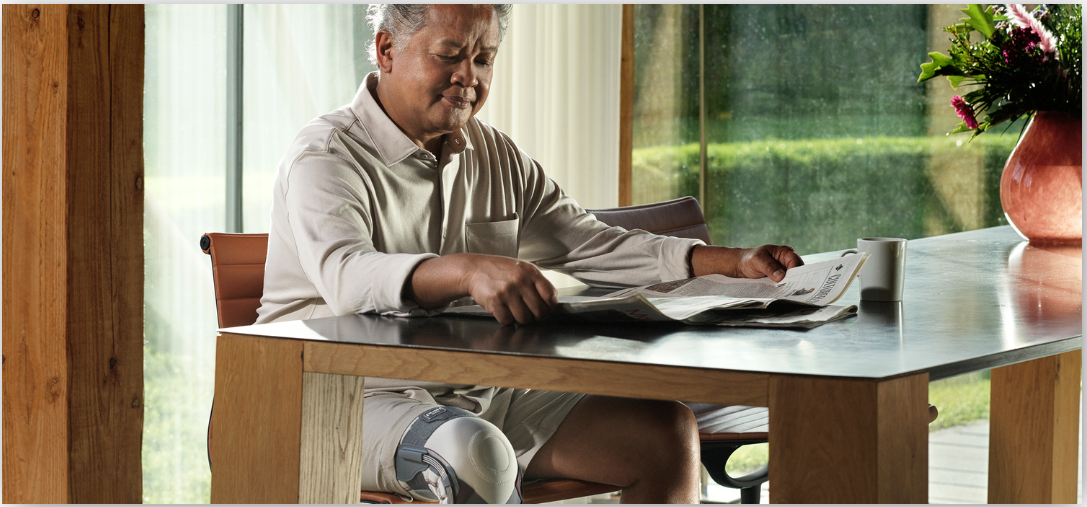
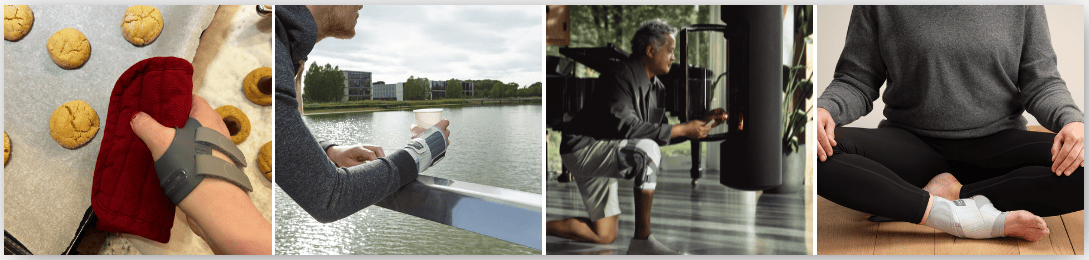
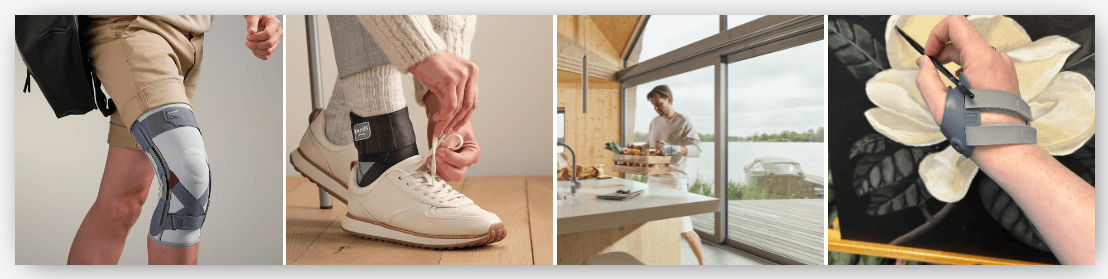
Push Braces are orthopaedic supports made to protect a joint while you stay active. Many people use Push Braces for the thumb, wrist, knee, or ankle.
The goal is support and stability without full immobilization, unless your provider tells you otherwise. People often use Push Braces for:
- Mild to moderate sprains, when the joint needs stability but you still want to move.
- Early arthritis pain, especially knee pain during walking, stairs, or workouts.
- Tendon irritation from overuse, like certain wrist or ankle pain.
- Recovery after some procedures, when your provider wants you to move in a controlled way.
Push Braces are a good fit when you need support during activity, not a hard cast-type lock. If you have a serious injury or major instability, you may need a different type of brace.
Core Design Principles Driven by Clinician Needs
The clinicians who helped develop Push Braces focused on three clear principles: targeted support, adjustable control, and practical usability.
- Targeted support: Push Braces focus support where you need it most. Rather than compressing the whole area, they support the specific tendon, ligament, or part of the joint that hurts. This can feel more natural when you move.
- Adjustable control: Your needs change as you heal. Push Braces usually let you tighten or loosen them, so you can use more support at first and then reduce it as you get better.
- Some Push Braces also guide motion so you do not move into painful or risky angles.
- Practical usability: A brace only works if you can wear it comfortably every day. Push Braces are designed to feel low-profile, so they are not bulky and fit under clothing and inside shoes. The fit is quick, with clear straps that make it easy to put on and adjust. Breathable, moisture-wicking materials help you stay comfortable when you sweat. They are also built for regular use and cleaning, and are made to be machine washable.
Key features that set Push Braces Apart
Maintain Functional Mobility
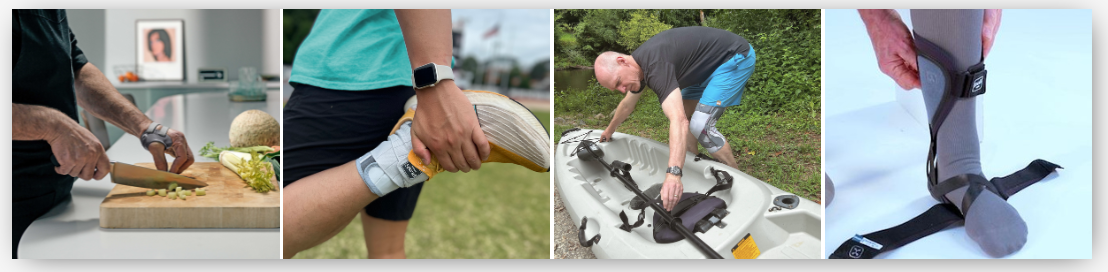
Many Push Braces are built to help you keep moving while protecting the joint. The support targets the joint without locking you up, so you can walk, work, train, and handle daily tasks with better confidence.
Adjustable Hinges or Motion Control
Some Push Braces include hinges or built-in motion guidance. This can help if you need knee support or ankle support with controlled movement. It can also help you feel more stable during stairs, sport drills, or return-to-work activity.
Breathable Materials & Skin-Friendly Contact
Push Braces use breathable materials and soft liners to reduce heat and rubbing. Some designs include anti-slip features to help keep the brace from sliding. This can reduce the chance of irritation, which is a common reason people stop wearing a brace.
Quick Straps & Simple Adjustments
Push Braces typically use straps you can adjust without special tools. This helps you fine-tune comfort at home. It also helps you avoid the "too loose to help" problem and the "too tight so it hurts" problem.
Benefits for You
More Comfort & Better Wear Time
When a brace feels lighter, cooler, and easier to put on, you are more likely to wear it consistently. Consistent use during the right activities is often what makes a brace feel "worth it."
More Confidence During Movement
A good wrist brace, thumb brace, knee brace, or ankle brace should make daily tasks feel safer. Think walking, lifting, typing, driving, or workouts that your provider approves.
Support During Recovery & Rehab
Push Braces are often used alongside physical therapy and strengthening. The brace supports the joint during activity while you rebuild strength and control.
How Push Braces Compare With Conventional Options
- Compared to elastic sleeves: Compression sleeves can help with warmth and mild support. They often feel comfortable. They usually do not provide the same targeted support or motion control as Push Braces.
- Compared to rigid immobilizers: Rigid immobilizers can be the right choice right after a serious injury or after certain surgeries. They limit movement a lot. Push Braces are typically used when you want protection with functional movement.
- Compared to custom orthoses: Custom braces can be helpful for complex cases or unique anatomy. Push Braces are often a practical option when you want a high-quality off-the-shelf brace with targeted support and adjustability.
In short, Push Braces are not a replacement for every option. They are a targeted solution when you need precise mechanical intervention combined with functional freedom.
When to Consider Push Braces & How To Use Them Safely
Assessment and fitting checklist
Push Braces can be the right choice if:
- Your joint hurts during activity, and you need more stability.
- You have a mild to moderate sprain and want support for daily movement.
- You have early arthritis pain and want to stay active.
- Your provider wants controlled movement during recovery.
A brace that does not fit will not work well. When you try a Push Brace:
- Use the brand sizing guide
- Place the brace exactly where the instructions show
- Tighten until it feels secure, not numb or painful
- Move around for a few minutes to check sliding or pinching
For upper extremity cases, the same clinician-first approach applies. BraceLab offers a range of wrist braces built with these same functional principles for wrist and forearm support.
Things You Need to Know About Your Brace
Most people wear Push Braces during activities that trigger pain or feel risky. Many people remove the brace for rest or sleep, unless a clinician tells them to keep it on.
Besides that, they require you to clean daily, inspect for redness, and avoid lotions under liners.
Watch for Red Flags
Stop using the brace and contact your provider if you notice:
- Numbness or tingling
- New swelling that keeps getting worse
- Skin breakdown, blisters, or intense redness that does not fade
- Pain that increases over time even when the brace fits correctly
Overall, using the braces is really simple, and with proper care, they can ease your recovery and help with daily activities until you're feeling better.
Conclusion
Push Braces are built to make support feel more precise and more wearable. They give you targeted support without feeling locked up. When you choose the right model and wear it for the right activities, you can reduce pain, feel more stable, and stay active while you recover.
BraceLab carries the full Push lineup. Explore Push Braces and Push Sports Braces to find the right support for your knee, ankle, wrist, or thumb, then pick the model that matches your daily routine. Turns a brace from a passive accessory into an active tool for better, faster rehabilitation.
Frequently asked questions
How do clinician-driven features of Push Braces improve rehabilitation?
Clinician-designed push brace features — targeted support zones, adjustable pivoting, and practical usability — enable precise offloading, stepwise range control, and straightforward patient adjustments. These features enhance comfort, adherence, and progressive loading to accelerate functional recovery while simplifying clinical follow-up.
How should I assess and fit a Push Brace in a clinic?
Confirm the diagnosis aligns with offloading or controlled-motion goals, check skin and neurovascular status, size using the manufacturer template, set initial modular support based on pain provocation tests, index hinge stops for ROM limits, and teach donning and doffing with documented baseline settings.
When should you choose a Push Brace instead of a sleeve, immobilizer, or custom orthosis?
Choose a Push Brace when you need targeted mechanical offloading and adjustable range control with preserved function. It is not the right choice for gross instability (use an immobilizer) or complex structural deformity (use a custom orthosis). A Push Brace is preferable to a sleeve when compartmental offloading or mechanical stops are required.
Can patients wear Push braces during sports or daily activities, and what precautions are needed?
Yes — Push Braces are engineered for activity tolerance and are regularly used during ambulation and sport. Instruct patients on wear-time goals, skin care, and red flags such as numbness, worsening pain, swelling, or skin breakdown. Adjust settings progressively and discontinue use if adverse signs develop. Bracelab's Push Brace range includes sport-specific options designed for exactly these active-use scenarios.