
Winter Sports Ready: BraceLab's Guide to Protecting Your Joints on the Slopes and Trails
Winter Sports Ready: BraceLab's Guide to Protecting Your Joints on the Slopes and Trails
By Laura Jones
Carving through fresh powder, landing your first jump, or reaching a snowy summit feels incredible, until your knee buckles or your ankle twists when you land. Winter sports are thrilling, but they’re also tough on your joints. Each turn, landing, or slippery step puts pressure on your joints, especially if you're not prepared. This guide gives skiers, snowboarders, and winter hikers exactly what they need to protect themselves this season: injury prevention tips, helpful recovery advice, and the best joint support options for staying active on the slopes and trails. Whether you're brand new or a seasoned pro, here’s how to keep moving confidently and avoid winter’s most common injuries.
Skiing - Protecting Your Knees & Thumbs
Common Injuries
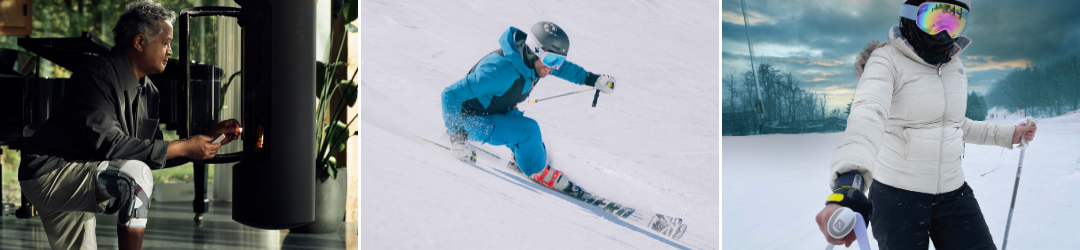
• For recreational skiers, knee injuries are the most frequent, making up about one third of all injuries in recreational alpine skiers. In a study of 282 injured skiers, every knee injury recorded requiring hospitalization involved the ACL (anterior cruciate ligament).
• Environmental and equipment factors matter: icy slopes, fresh snow, and even “easy” slopes were found to increase ACL injury risk.
• Beginners, in particular, often experience knee pain skiing as they learn turns and balance, and incorrect boots or bindings can also cause ankle strains.
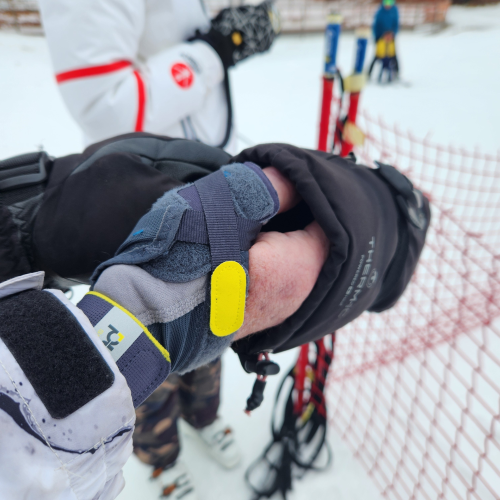
• Another common injury is skiers thumb which happens when the middle joint in your thumb is injured, typically when falling on ski poles.
Prevention Tips
• Warm up each session: Simple dynamic stretches for your quads, hamstrings and ankles will help your joints stay ready. Cold muscles + speed = big risk.
• Build strength: All levels (beginner to advanced) should include leg work. Include squats, deadlifts, lunges, and single-leg balance drills to improve your skiing knee support.
• Technique matters: Stay slightly bent in your knees, avoid locking them, and learn how to fall safely (go with the fall rather than resisting).
• Gear check: Make sure your ski boots and bindings are properly adjusted. An ill-fitting boot can compromise ankle stability and increase the chances of needing an ankle brace for skiing injuries.
• Avoid fatigue: Many injuries happen when you’re tired or doing “just one more run.” Know your limits.
Support & Healing
• If you’ve had previous knee trouble or feel unstable, a knee brace for ski season like the Push Sports Knee Brace gives targeted support.
• For skier's thumb issues, protect and stabilize with a brace like the Push Sports Thumb Brace.
• If you do get a sprain or strain: Follow PEACE (Protect, Elevate, Avoid anti-inflammatories, Compress, Educate), then move on to LOVE (Load, Optimism, Vascularization, Exercise) by starting gentle rehab and gradually adding strengthening and mobility exercises.
• If your joint feels unstable and the pain persists, see a sports medicine provider. Getting quality care from an expert helps you heal properly and faster, allowing you to get back to your favorite activities.
Snowboarding - Staying Balanced and Stable
Common Injuries
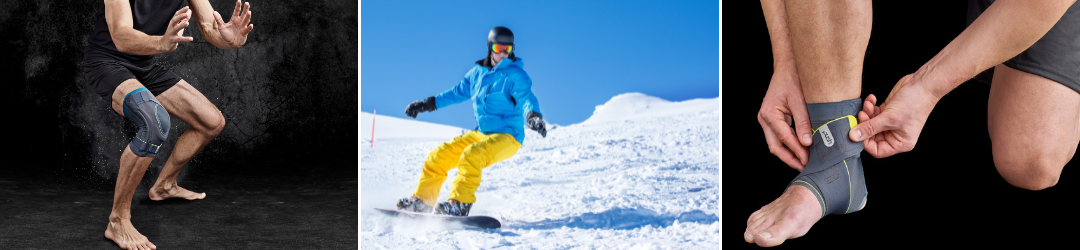
• Snowboarders tend to have higher rates of ankle sprains and fractures than ski-only athletes. Research on ankle braces in sports shows that braces can reduce reinjury.
• While knee injuries are less common in snowboarding compared to skiing, they still occur, especially with complex terrain or trick landings.
Prevention Tips
• Get the right gear: Choose boots with strong articulation and support. Good boots help with snowboard ankle stabilization.
• Strengthen: Do balance training (e.g., wobble board, single-leg stance) and ankle mobility drills. Studies show ankle braces plus balance training reduce sprain risk.
• Practice falling: Try to land with knees bent and avoid twisting your ankles inward/outward.
• Don't jump above your skill level: Advanced terrain or tricks put extra stress on ankles and knees.
Support & Healing
• After a sprain or if you feel “weak” around the ankle, strengthen your ankle using exercises and use something like the Push Sports Ankle Brace 8 for added stability in situations where reinjury can occur.
• If your knee has had prior issues (or you're transitioning between sports), a knee brace for snowboard and ski season may still come into play.
• Once pain and swelling decrease after the initial injury, add ankle strengthening exercises (calf raises, resisted dorsiflexion) and hip/glute work to support alignment.
Winter Hiking - Stable Steps on Slippery Trails
Common Injuries
• Hiking during the winter may feel gentler, but lower extremity injuries are common: sprains, strains of knees and ankles account for a large share.
• Icy/muddy/uneven terrain increases risk of plantar fasciitis (heel and arch pain), especially if boots lack proper support.
Prevention Tips
• Boots matter: Go for winter hiking boots with good traction, waterproofing, and ankle collars. If you’ve had prior ankle problems, think about a winter hiking ankle brace.
• Stretch before you head out: Stretch your calves, hamstrings, arches and ankles. Cold conditions = stiffer joints = higher risk.
• Use trekking poles for descents/ascents: They help offload knees and stabilize ankles.
• Start slow: If you’re a beginner, pick easy trails then increase difficulty; intermediate/advanced hikers should incorporate uneven terrain drills (single leg hops, unstable surfaces).
• Watch conditions: Tightly packed snow, ice, and unfamiliar terrain all elevate risk. Better to pause than push through when footing is compromised.
Support & Healing
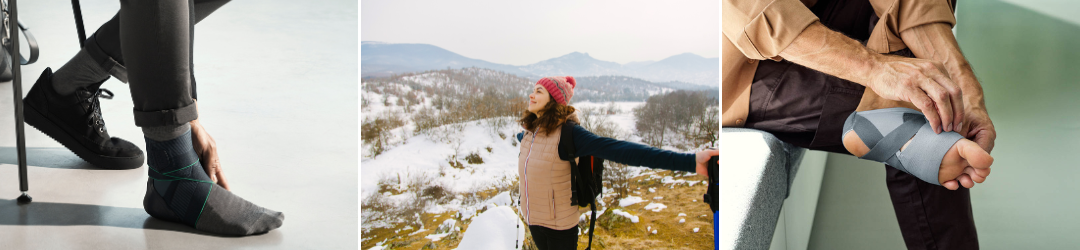
• For ankle soreness or a recent sprain, wearing a “winter hiking ankle brace” like the Push med Ankle Brace Aequi Flex can help you keep moving while you rebuild strength.
If you experience arch/heel pain (plantar fasciitis symptoms), the Push med Foot Brace FP for Plantar Fasciitis offers extra arch support and reduces strain on the ankle/foot chain.
• If you have dull, aching pain in the front of the knee, especially going downhill, squatting, or after long hikes, you may have patellofemoral pain syndrome, also known as runner's knee. A brace like the Push med Patella Brace can help reduce the strain on your patella tendon.
• After a sprain or strain, reduce load, keep mobility gentle, follow progressive strengthening, and if pain lingers more than 72 hours, seek professional medical care.
Stay Ahead of Injuries This Season
No matter whether you’re a beginner learning your first turns, an intermediate pushing the bounds, or an advanced athlete chasing fresh powder, your knees and ankles deserve attention. Many injuries are preventable with proper warm-up, strength work, balance training, appropriate gear, and orthopedic supports for winter sports when needed. Stay active, stay protected, and see you on the slopes or trail!
Helpful Links:
Push med Ankle Brace Aequi Flex
Disclaimer: While we strive to provide helpful and accurate information, BraceLab is not a medical provider and does not offer medical diagnoses or treatment. Always consult a qualified healthcare professional for medical advice, diagnosis, or treatment.
© BraceLab; 2025 all rights reserved