
Avoid Winter Injuries: What to Know Before Skiing, Hiking, or Walking on Ice
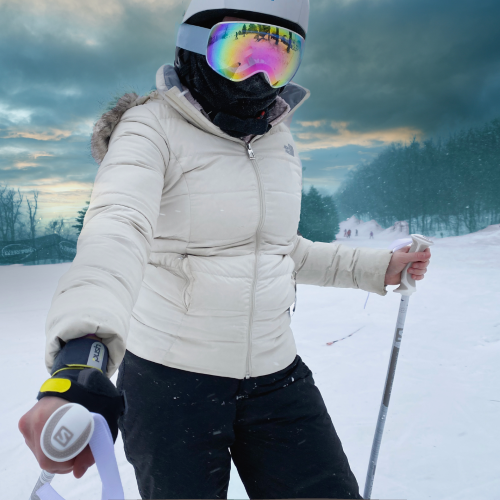
Avoid Winter Injuries: What to Know Before Skiing, Hiking, or Walking on Ice
By Laura Jones
As winter approaches and activities like skiing, hiking, and snowboarding become more popular, it’s important to understand the potential injuries that often accompany these colder-weather sports. From skier’s thumb and ankle sprains to plantar fasciitis and knee pain, these common issues can disrupt your season if not recognized and addressed early. Whether you're a seasoned athlete or trying out a new winter activity, knowing the risks before you commit to a sport can help you make informed choices and reduce your chances of injury once the call sets in.
How Cold Weather Affects Your Body
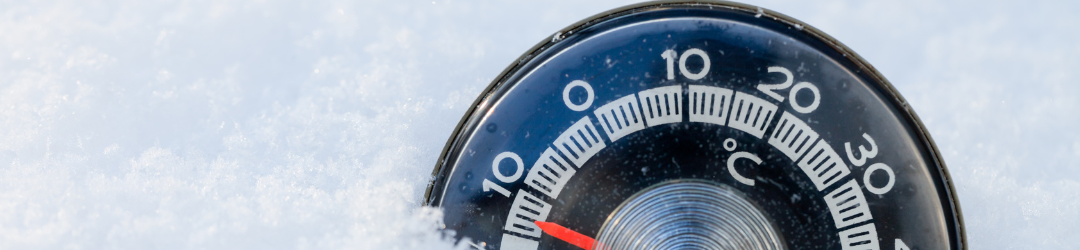
When temperatures dip, muscles and tendons stiffen in response. This muscle stiffness slows reaction time, making you more vulnerable to cold weather injuries. Combine that with slippery or uneven terrain, and you’ve got the perfect setup for sprains, strains, and joint irritation. A study from Frontiers in Physiology “Cold exposure and musculoskeletal conditions; A scoping review” looked at how pain in different parts of the body is measured, the different ways cold exposure is studied, how strong the effects are, and whether future research can give clearer answers through more detailed reviews. It found that being exposed to cold may increase the risk of developing muscle and joint problems.
That’s why preparing now, like making sure you have the appropriate cold weather gear and clothes, before snow or ice is even on the ground, can help with injury prevention and overall winter sports support.
Hand and Wrist Care for Winter Activities
Your hands are among the first body parts to feel the cold. For those hitting the slopes or gripping hiking poles, winter joint pain and injuries in the fingers and wrists can affect your favorite activities.
Protecting Skier's Thumb
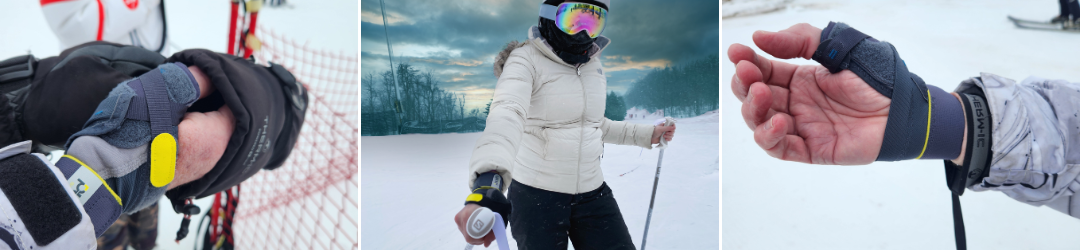
One of the most common upper extremity skiing injuries is skier’s thumb (thumb UCL sprain), which happens when a fall forces the thumb into an unnatural position—often while holding onto a ski pole that doesn't release. This can stretch or tear the ligament, and reinjury is common if you return to skiing too soon or don’t change the way you fall. To reduce your risk, avoid falling on outstretched hands, don’t loop your hands through ski pole straps, and try to let go of the poles during a fall.
Wearing supportive gear like a thumb brace, warming up your whole body before skiing, and using well-fitted gloves can also help prevent injury. A brace like the Push Sports Thumb Brace offers added stability without limiting grip or motion, making it a great option for skiing or snowboarding.
Keep Wrists Supported
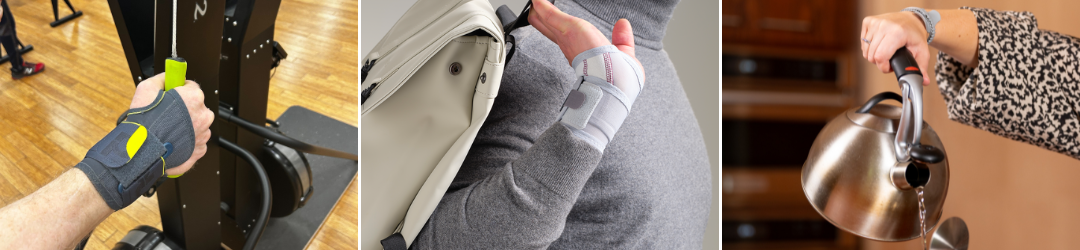
Wrist and forearm injuries are also among the most common problems for skiers and snowboarders, often caused by falling onto an outstretched hand. This instinctive reaction can lead to either a fracture or a sprain. Once injured, the wrist is at higher risk of reinjury, especially if healing is incomplete or the same fall mechanics happen again.
To reduce your risk, avoid using your hands to break a fall: snowboarders should try to fall backward onto the hips, and skiers to the side. Wearing a wrist brace under your gloves like the Push Sports Wrist Brace, adds support, especially for snowboarders who are more prone to wrist fractures. If you experience pain, swelling, bruising, or difficulty moving your wrist after a fall, it’s important to get evaluated by a doctor, who may use X-rays or an MRI to assess the injury.
Ankle and Foot Care for Uneven Terrain
Your feet power every step, whether you're navigating snowy trails or chasing fresh powder. But uneven terrain and slippery surfaces can quickly lead to ankle sprains or flare-ups of plantar fasciitis if you're not careful.
Ankle Support for Winter Conditions
Ankles are highly susceptible to cold weather injuries, as chilly temperatures can make muscles, tendons, and joints stiffer and more vulnerable to sprains, strains, and tendonitis. Slipping on icy ground or walking on uneven terrain increases the risk of ankle sprains.
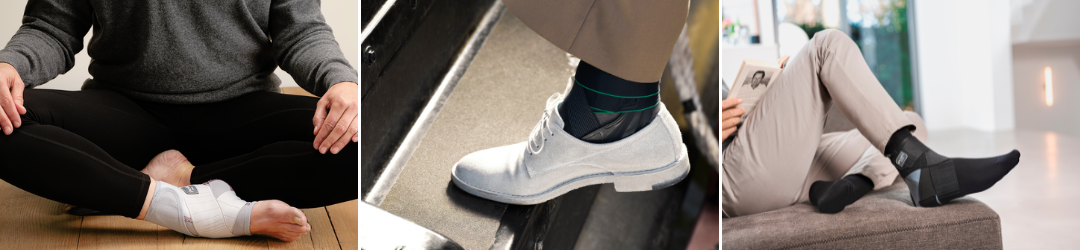
To prevent injury, warm up before activity and wear supportive footwear with good traction. For added protection, especially if you're prone to ankle issues, the Push med Ankle Brace Aequi Flex provides firm yet flexible support to stabilize the joint without restricting movement—ideal for hiking, snow sports, or working outdoors.
Cold Weather Foot Care
Plantar fasciitis is a leading cause of heel and arch pain, caused by inflammation in the thick band of tissue (the plantar fascia) that runs along the bottom of the foot. During colder months, many people experience a flare-up of symptoms, often linked to winter joint pain, tight calf muscles, or the use of stiff, ill-fitting boots. In many cases, the problem begins in warmer months, when unsupportive summer footwear fails to provide adequate arch support, setting the stage for irritation later on in cold weather.
To manage and prevent plantar fasciitis in winter, proper foot care is essential. This includes:
• Wearing supportive, insulated footwear with moisture-wicking socks
• Stretching your feet and calves before and after physical activity
• Avoiding extended time in damp or unsupportive boots
• Keeping feet warm to maintain circulation and joint flexibility
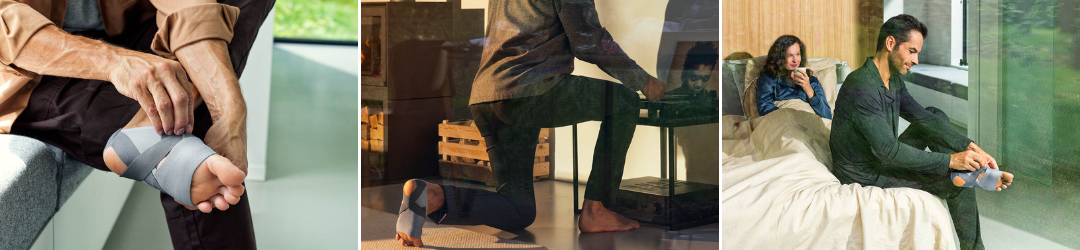
For added support during daily activities, the Push med Foot Brace FP can help relieve pressure on the plantar fascia and reduce discomfort, even in cold conditions under warm socks. Adding regular foot care habits like moisturizing to prevent dry, cracked skin, and doing simple toe and arch exercises can further reduce discomfort and help keep your feet healthy all year long.
Knee Health and Cold Weather Prep
Cold weather and frozen ground can significantly impact knee health, especially for those with a history of injury or joint issues. As temperatures drop, old injuries are more likely to ache or flare up, making winter joint pain a common complaint. Walking or exercising on hard, frozen surfaces can also increase impact on the knees, aggravating existing conditions like arthritis or patellar tendinitis.
To manage and prevent cold-weather knee pain, consistent joint care and movement strategies are helpful. These include:
• Warming up indoors with dynamic movements like leg swings or shallow squats before going outside
• Keeping knees covered and insulated to maintain warmth and flexibility
• Using compression sleeves or supportive wraps, especially if you’ve had prior knee injuries
• Choosing cushioned, supportive footwear to reduce joint impact on hard surfaces
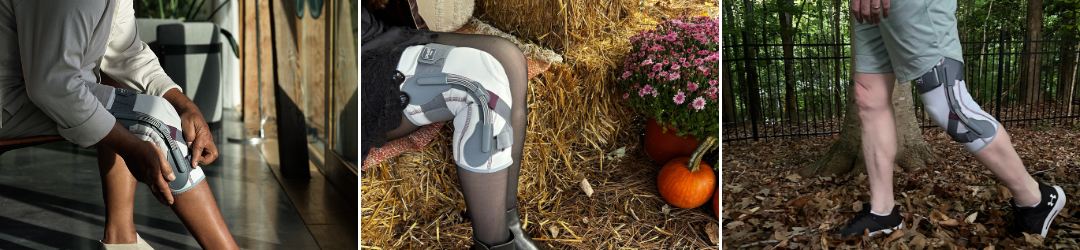
Staying mobile and keeping the knees warm helps improve circulation, prevent stiffness, and reduce inflammation. For those recovering from injury or managing chronic knee issues, bracing like with the Push med Knee Brace or physical therapy exercises may offer additional support. Being proactive with your joint care routine during winter can make a lasting difference in how your knees feel both during activity and at rest.
Prepare Now for an Active Winter
As temperatures drop and outdoor winter activities like skiing, hiking, and walking on ice begin to ramp up, so does the risk of injury. Conditions like skier’s thumb, plantar fasciitis, ankle sprains, and knee pain are all too common when people jump into winter sports without proper preparation.
The good news? You don’t have to wait until the snow falls to protect your body. Fall is the perfect time to build strength, balance, and flexibility—helping you enter the season with more resilience and fewer setbacks.
Use these fall months to get your body ready:
• Build leg strength with exercises for your quads, hamstrings, glutes, and calves to protect knees and ankles
• Improve flexibility through yoga or dynamic stretching to keep joints mobile and reduce strain
• Work on balance with single-leg drills or wobble boards to prevent ankle sprains and falls
• Boost endurance by walking, cycling, or hiking to prepare for longer activity sessions in the cold
• Strengthen your core to improve overall stability on uneven or slippery surfaces
Before Heading Out into the Cold
Even if you've trained during the fall, what you do right before winter activities can make a big difference. Cold muscles are more injury-prone, and icy or unpredictable terrain increases your risk. Taking a few simple steps before heading outdoors can help keep you safe and comfortable:
• Warm up before stepping outside. Get your blood moving with gentle indoor exercises
• Layer properly: Use base layers that retain heat but allow movement
• Stay hydrated: Cold weather can dehydrate you just like summer heat
• Know your limits: Don’t push through pain, and slow down when necessary, especially when there are slippery and dangerous conditions
By combining fall preparation with mindful pre-activity habits, you can reduce your risk of injury and enjoy a more active, pain-free winter.
Choosing a winter sport is more than just excitement or fitness—it's also about understanding the physical demands and risks involved. Knowing which injuries are common in activities like hiking, skiing, or walking on icy terrain can help you make better decisions about how you approach the season. Whether it's skier’s thumb from a fall, plantar fasciitis from long hikes, or knee and ankle issues from high-impact movements, being aware of these possibilities is the first step in protecting your body.
And while winter isn’t here just yet, now is the ideal time to begin preparing. A thoughtful approach now can keep you active, healthy, and pain-free all season long.
Helpful Links:
Push med Ankle Brace Aequi Flex
Disclaimer: While we strive to provide helpful and accurate information, BraceLab is not a medical provider and does not offer medical diagnoses or treatment. Always consult a qualified healthcare professional for medical advice, diagnosis, or treatment.
© BraceLab; 2025 all rights reserved