
WriStable vs Push med Wrist Brace: Which One Is Right for Your Condition?
|
WriStable vs Push med Wrist Brace: Which One Is Right for Your Condition? |
Wrist pain is surprisingly disabling. Something as routine as gripping a kettle, typing a report, or turning a door handle can become genuinely difficult when your wrist lacks stability or is in the early stages of recovery. Choosing the wrong brace at this point does not just slow things down, it can actively set recovery back.
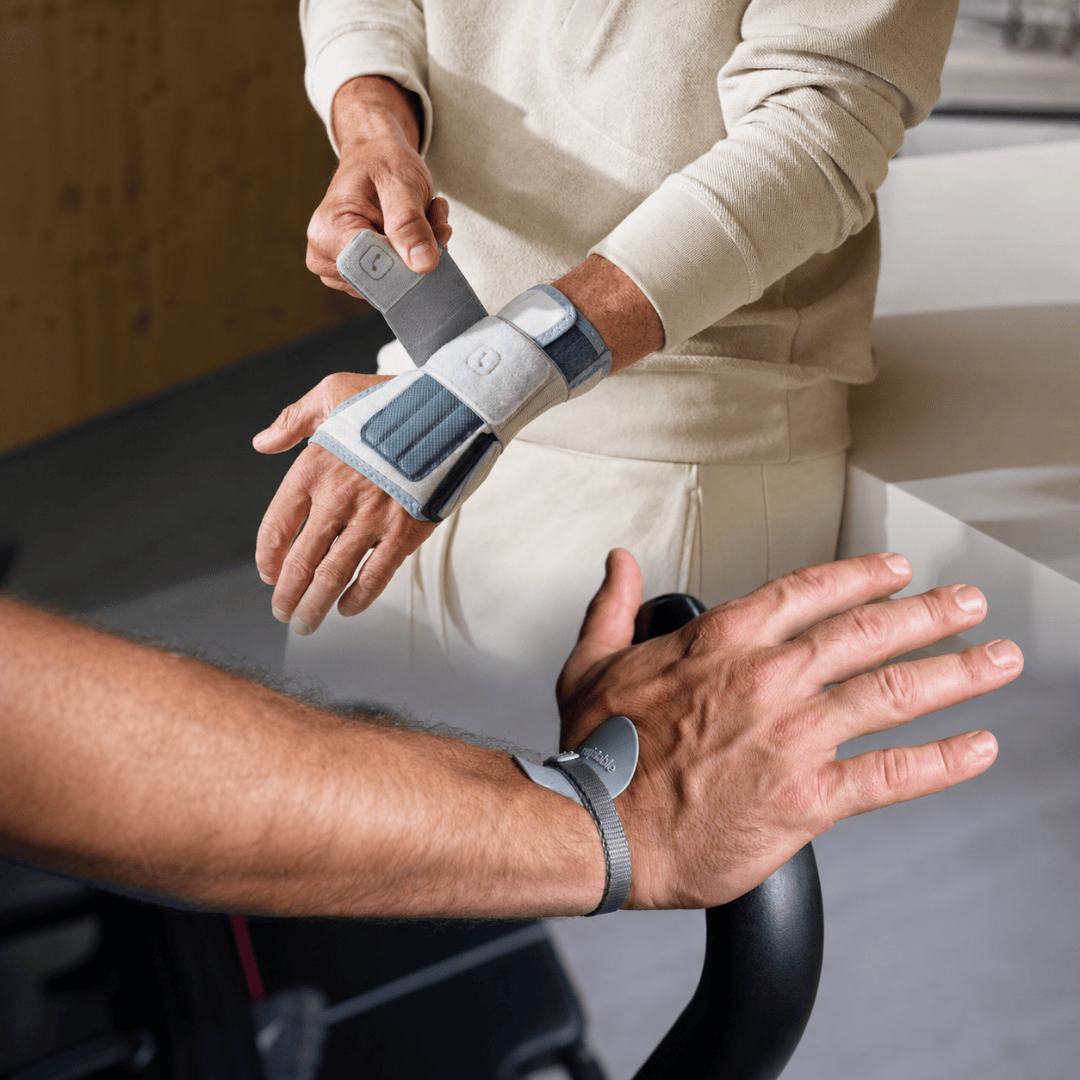
Two of the most clinically regarded options on the market right now are the WriStable Wrist Brace and the Push med Wrist Brace. They are both anatomically designed, both favored by rehabilitation professionals, and both well-reviewed by patients. But they are built for different problems, and understanding that distinction is what makes the difference between a brace that helps and one that just sits in a drawer. This guide breaks down what each brace is engineered to do, the conditions each one fits best, how they compare side by side, and how to match the right brace to your specific wrist.
What Each Brace Is Actually Designed to Do
Before comparing features side by side, it helps to understand the design intent behind each product. These are not generic braces. Both have been developed with specific biomechanical goals in mind.
The WriStable Wrist Brace
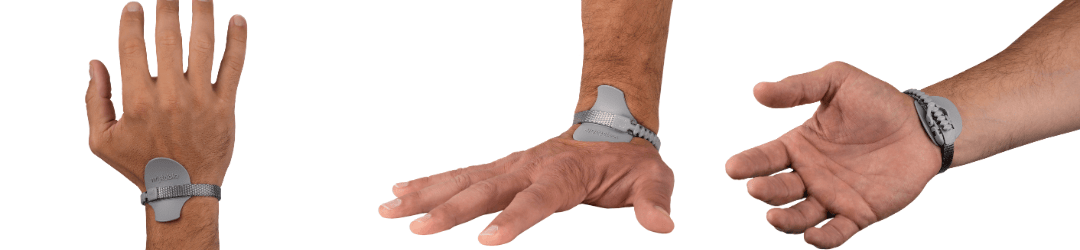
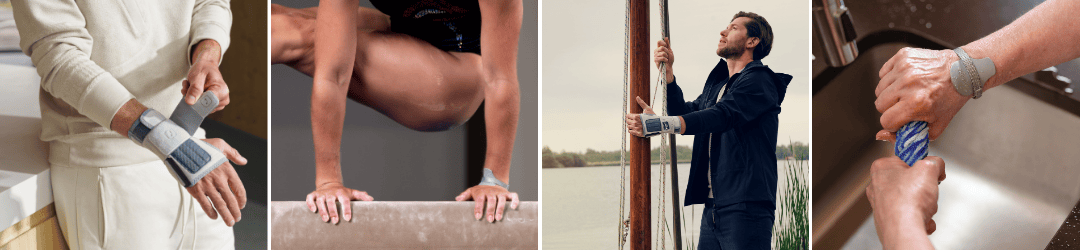
The WriStable® Wrist Brace is designed for wrist conditions where end-range pain or instability shows up under load, but maintaining functional movement is still a priority. Its adjustable strap controls the level of support and how much restriction the wrist feels at end range, so it stabilizes the carpal bones during weight-bearing without locking the joint out of its useful range.
This makes it particularly suited to:
- Scapholunate instability
- Dorsal abutment or impingement
- Pain at the end range of motion (for example, during push-ups, planks, yoga, or other weight-bearing positions)
- Mild, general wrist hypermobility
- Support after a distal radius fracture, once acute immobilization has finished
It fits close to the body, which means it works under light gloves or sleeves without much bulk. Hand therapists often recommend it specifically because it supports the wrist without over-restricting it. That balance matters more than it sounds: a brace that does not feel like a cast is one people will actually wear consistently.
The Push med Wrist Brace
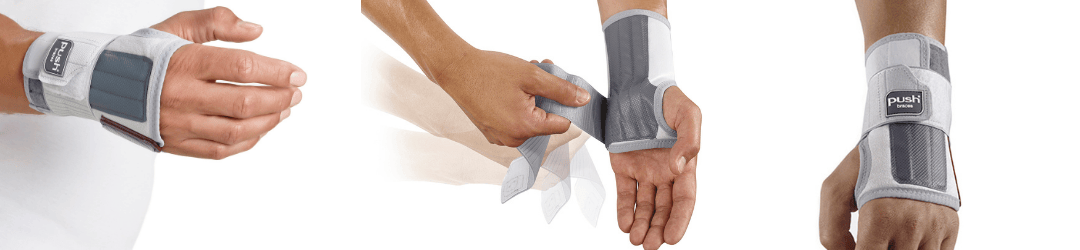
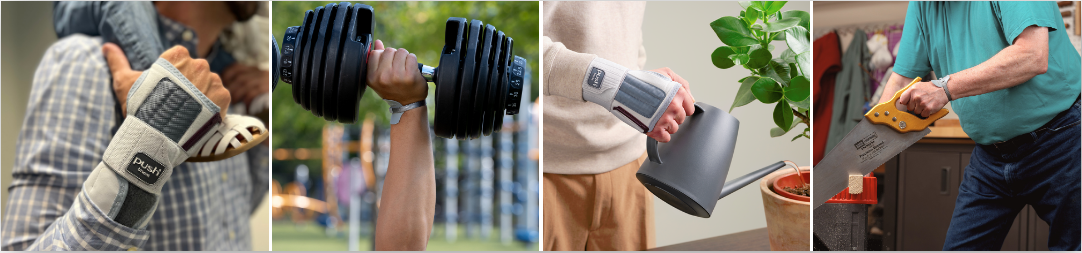
The Push med Wrist Brace is engineered for people who need definitive wrist immobilization without sacrificing the use of their hand. Its anatomically shaped top and bottom stays apply three points of pressure to the wrist joint to settle it down, while leaving the fingers free to grip, type, and carry out normal hand function. The low-profile contoured construction and Sympress microfiber lining keep it comfortable enough for all-day wear.
Common indications include:
- Tendinitis or tenosynovitis (including de Quervain's)
- Wrist sprains, strains, or general wrist instability
- Carpal tunnel syndrome (typically as a night splint to keep the wrist in neutral during sleep)
- Support after a healed wrist fracture
- Arthritis flares that need the joint settled down
A wide elastic band lets you fine-tune the level of support as compression needs change through recovery. The contoured shape is designed to avoid pressure on vulnerable bony areas of the wrist, which is what makes it tolerable for daily wear despite the level of immobilization it provides.
Side-by-Side Comparison: The Key Differences
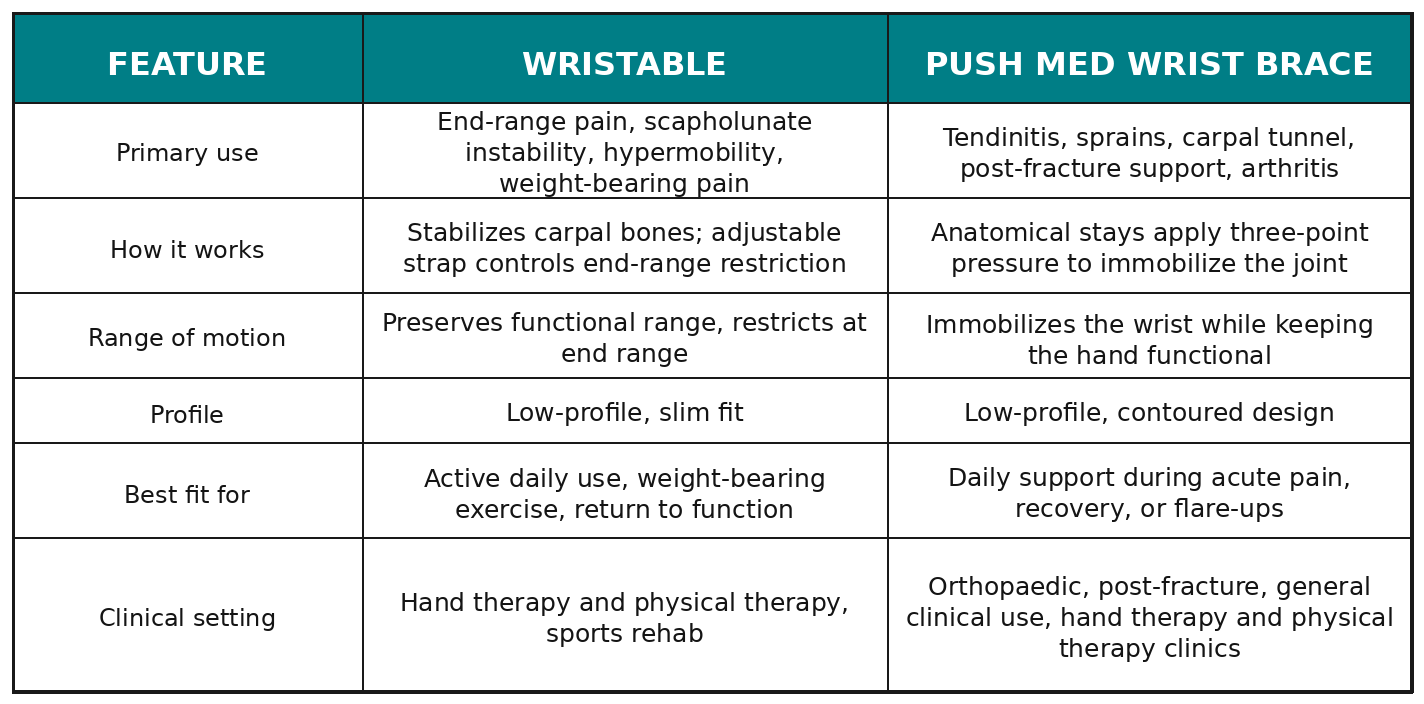
This comparison is not about one being better than the other. It is about fit for purpose.
Matching the Brace to Your Condition
Chronic Wrist Instability or End-Range Pain
If your wrist pain shows up specifically under load, at the top of a push-up, during a plank, or in any position that pushes the joint to the end of its range, the WriStable is likely the better fit. Its adjustable end-range restriction lets you keep typing, gripping, and doing light tasks without fighting against the brace, while still protecting the joint when it would otherwise be most vulnerable.
This matters more than it sounds. Prolonged immobilization of a wrist that does not need it can lead to stiffness, muscle atrophy, and a longer overall recovery. Hand therapy literature consistently shows that dynamic support, braces that allow guided movement rather than full restriction, tends to produce better outcomes for chronic instability patients than rigid immobilization.
Scapholunate Instability
Scapholunate instability is one of the WriStable's most specific use cases. The scapholunate ligament connects the scaphoid and lunate, two of the small carpal bones in the wrist, and when that ligament is stretched, partially torn, or compromised, the bones move independently instead of as a unit. The result is often a painful clunk, weakness during weight-bearing, and a feeling that the wrist gives way under load. The WriStable's adjustable design supports the carpal bones while still allowing functional motion, which is exactly what this condition needs: restriction without immobilization. If scapholunate instability has been confirmed by a hand therapist or physical therapist, the WriStable can be a meaningful part of the ongoing management plan.
Pain with Weight-Bearing
Pain that shows up specifically when the wrist takes load, at the top of a push-up, holding a plank, going into downward dog, pressing up from the floor, or any movement that drives compression through an extended wrist, is the pattern the WriStable was designed for. Many people with this pattern get told to "rest it," which works briefly but flares right back the moment they return to training. The WriStable lets you keep loading the wrist while protecting the carpal bones from the specific motion that causes the pain, so you can actually train through the recovery instead of stopping and restarting. A hand therapist or physical therapist can confirm what is driving the weight-bearing pain before you settle in for long-term brace use.
Tendinitis, Sprains, Carpal Tunnel, and Post-Fracture Recovery
For tendinitis, a wrist sprain, carpal tunnel syndrome, or the weeks following a wrist fracture, the Push med Wrist Brace provides the immobilization the joint actually needs. The three-point pressure system from the anatomical stays settles the wrist down, while the adjustable elastic band lets you tune the level of compression as recovery progresses.
If your hand therapist, physical therapist, or surgeon has recommended a supportive wrist brace as part of a structured rehab plan, the Push med Wrist Brace is typically the clinical-grade tool they have in mind for these conditions.
A Two-Phase Approach for Tendinitis and Repetitive Strain
For general wrist tendinitis from repetitive work or strain, both braces can play a role depending on stage.
In the acute, painful stage, the Push med Wrist Brace provides the immobilization that allows inflamed tendons to calm down. Once the acute phase has passed and you are returning to daily tasks or weight-bearing activity, the WriStable can help maintain supported movement without over-protecting the joint.
Think of it as a two-phase approach: firm immobilization first, functional support second.
Comfort, Wearability, and Practicality
Both braces are notably more comfortable than older-generation wrist supports, and both are designed to sit low-profile against the wrist and forearm rather than bulk out into a cast-like shape.
The WriStable sits closer to the wrist and is the more discreet of the two, which matters to people who need to wear a brace in professional settings or under a sleeve.
The Push med Wrist Brace is still low-profile by design, but its anatomical stays give it slightly more structure, which is the trade-off you accept for the level of immobilization it provides.
For anyone navigating this choice without clinical guidance, BraceLab provides detailed product information, sizing guidance, and comparison resources that can help narrow things down before you buy.
What Professionals Typically Recommend
Hand therapists, occupational therapists, and physical therapists tend to follow a fairly consistent logic when prescribing wrist braces. The primary question is always the same: how much movement restriction does this patient actually need right now, and is the goal end-range protection or general joint settling?
Where a clinician wants to protect against end-range pain or weight-bearing instability without sacrificing functional use, the WriStable tends to be the recommendation. Where the goal is to settle a tendinitis, sprain, or post-fracture wrist while still allowing finger function, the Push med Wrist Brace takes priority.
The broader category of wrist braces available from specialist providers has improved considerably in recent years. Modern orthotic design prioritizes anatomical fit and material breathability alongside support function, which is a significant improvement over the rigid, foam-lined supports that were standard practice even a decade ago.

Key Takeaways
- The WriStable is best suited for end-range wrist pain, scapholunate instability, hypermobility, and weight-bearing pain (push-ups, planks, yoga). Its adjustable strap controls how much restriction the wrist feels at end range without immobilizing the whole joint.
- The Push med Wrist Brace offers definitive wrist immobilization with low-profile anatomical stays, making it the better choice for tendinitis, wrist sprains, carpal tunnel syndrome, arthritis flares, or post-fracture support.
- Both braces are designed to be low-profile, so the choice is about which condition you are managing, not which one is bulkier.
- Matching support type to the actual condition matters. Immobilizing a wrist that needs guided movement, or guiding a wrist that needs immobilization, can slow recovery instead of helping it.
- Wrist conditions should be diagnosed by a clinician. A hand therapist, physiotherapist, or sports medicine doctor can confirm what is actually going on and recommend the right brace for the stage of recovery.
Frequently Asked Questions
Can I use the WriStable for typing or desk work?
Yes, but typing or desk work isn't the WriStable's main use case. The brace is designed for end-range pain, scapholunate instability, hypermobility, and weight-bearing pain. If you have one of those underlying conditions, you can comfortably wear the WriStable throughout the working day since it preserves the range of motion needed for typing while still supporting the carpal bones. For wrist discomfort purely from desk use without a diagnosed instability, ergonomic adjustments and a simpler compression sleeve are usually a better starting point.
Is the Push med Wrist Brace suitable for long-term daily wear?
It can be, but it is primarily engineered for the acute and recovery phases. Once the acute period has passed, many clinicians transition patients to a more movement-friendly option like the WriStable to avoid unnecessary joint stiffness from prolonged immobilization.
How do I know which level of wrist support I actually need?
The clearest indicator is the type of pain pattern and the stage of recovery. End-range pain or weight-bearing instability typically responds better to dynamic support. Tendinitis, sprains, carpal tunnel, or post-fracture support generally need firmer immobilization. If you are unsure, a hand therapist or physiotherapist is the most reliable route to an accurate recommendation.
Can both braces be worn during sport or exercise?
The WriStable is designed for weight-bearing activity and is the more appropriate option for sport and exercise involving the wrist (yoga, gymnastics, push-ups, climbing, golf, tennis, pickleball, swimming, basketball, and more). The Push med Wrist Brace is engineered for daily wear during recovery rather than for sport. For contact sports or high-impact activity, a purpose-built sports wrist brace would be worth considering alongside or instead of these options.
Do these braces come in different sizes?
Yes. Both are available in multiple sizes, and proper fit is essential for them to work correctly. A brace that is too loose or too tight reduces effectiveness significantly. Measuring wrist circumference before ordering and following the BraceLab sizing guide is the most reliable way to get the right fit.
When should I NOT use the WriStable?
The WriStable is purpose-built for end-range pain, scapholunate instability, weight-bearing pain, and mild wrist hypermobility. It is not the right brace for several other wrist conditions where firmer immobilization or a different design is needed. Specifically, do not use it for:
- Acute wrist fractures, which need rigid immobilization
- Post-surgical recovery, which requires structured support under clinical guidance
- TFCC (triangular fibrocartilage complex) tears, which need ulnar-side support the WriStable is not built to deliver
- Carpal tunnel syndrome, which is best managed at night with a splint that holds the wrist fully neutral
- SLAC wrist (scapholunate advanced collapse), an arthritic condition that needs a broader treatment plan rather than a brace alone
- Undiagnosed wrist pain, where the right next step is an assessment with a hand therapist or physical therapist, not a brace
For any of these conditions, a hand therapist, physical therapist, or hand surgeon can recommend the appropriate brace or treatment plan.
Conclusion
There is no universal answer to which wrist brace is better. The right one depends entirely on what your wrist actually needs right now, and that changes as recovery progresses.
The WriStable suits people who need ongoing end-range support without sacrificing daily function or weight-bearing activity. The Push med Wrist Brace is the right tool when the priority is settling a tendinitis, sprain, carpal tunnel, or post-fracture wrist while still allowing the hand to work. Understanding that distinction, rather than defaulting to "the strongest brace available," tends to lead to better, faster outcomes.
If you are still weighing the options, taking stock of your symptoms, recovery stage, and daily demands is a good starting point, and a hand therapist or physiotherapist can confirm the right call before you commit.
Find the Right Wrist Brace for Your Condition
If end-range pain, instability, or weight-bearing flare-ups are your main concern, the WriStable Wrist Brace gives you supported movement without locking the joint out. If you are managing tendinitis, a sprain, carpal tunnel, arthritis, or post-fracture recovery, the Push med Wrist Brace delivers low-profile immobilization with three-point anatomical support. Explore the full BraceLab wrist brace collection to compare options, find your size, and get clinically informed support shipped straight to you.