
The Importance of Proper Support: How the Right Brace Can Prevent Long-Term Damage

The Importance of Proper Support: How the Right Brace Can Prevent Long-Term Damage
By Laura Jones
Do you spend hours typing, texting, or working with your hands or arms—either on a keyboard, in a workshop, or holding tools? If so, you might be at risk for something called repetitive strain injuries. Most of us don’t think about our hands and wrists until they start hurting; by then, it may be too late to avoid long-term damage. That’s why proactive hand and wrist support is so important. The right brace, used early or before symptoms start, can protect your joints, ligaments, tendons, and muscles, keeping your hands strong, pain-free, and functional for years to come.
Keep reading to learn about repetitive strain injuries and how braces can help, whether you're managing discomfort or trying to prevent it.
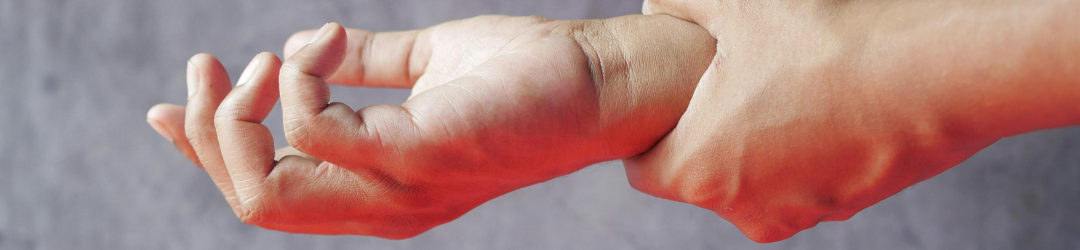
Understanding Repetitive Strain Injuries (RSIs)
Repetitive strain injuries, or RSIs, happen when you do the same motion with your hands or wrists over and over again, like typing, texting, using a screwdriver, or swinging a tennis racket. Over time, these small movements can irritate your muscles, ligaments, tendons, or nerves.
Some examples of RSIs include:
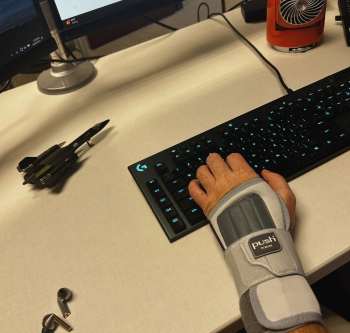
• Carpal Tunnel Syndrome - When a nerve in your wrist gets squeezed, leading to tingling, numbness, or weakness in your fingers. Jobs like assembly line work, typing, using hand tools, and playing musical instruments can increase the risk of developing carpal tunnel. Hobbies like knitting, painting, and texting can also contribute. Night splints or braces like the Push med Wrist Brace keep the wrist in a neutral position, reducing pressure on the median nerve.
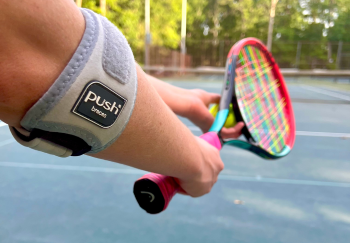
• Lateral and Medial Epicondylitis - Causes pain and inflammation where the forearm tendons attach to the elbow—on the outside (lateral, or "tennis elbow") and inside (medial, or "golfer’s elbow"), respectively. A brace like the Push med Elbow Brace Epi can reduce strain on the injured tendons in the elbow while still allowing athletes to play golf or tennis.
• CMC Osteoarthritis* - While *not* technically an RSI, it behaves very similarly to repetitive strain injuries where constant use and repetitive gripping or pinching aggravates the condition. The Push MetaGrip supports the painful CMC joint reducing pain during these types of activities.

Even if your symptoms are mild, ignoring them could lead to more serious pain or long-term issues that are harder to treat. That’s why early interventions for support and good habits, like using braces and doing hand exercises, can help prevent problems from getting worse.
The Role of Braces in Prevention
Arm, hand, and wrist braces are more than just “supports”—they’re tools that help your body stay in the correct position to heal, move better, and/or avoid further damage. Whether you're recovering from an injury or looking to prevent one, a brace can help by:
• Reduced Inflammation & Pain - Braces limit motion in painful areas, giving tissues time to calm down and heal.
• Improved Mobility & Function - By providing just enough structure, braces help keep your hand moving safely, so you don’t make things worse.
• Faster Recovery - Healing is quicker when your body isn’t constantly stressed or reinjured during daily activities.
But not all braces are the same. Some offer full immobilization, while others provide flexible compression or support just one joint (like the base of your thumb, using the Push MetaGrip). That’s why it’s important to pick the right brace for your condition and activity level. We recommend speaking with a licensed medical professional if you are unsure of the right support for you.

Maintaining Arm, Hand, and Wrist Health: Additional Tips
Bracing is one option, but you can utilize other techniques and tools to help you keep your arms, hands, and wrists happy and healthy. Here are three other simple ways to protect your body for the long haul:
• Use proper ergonomics - Set up your desk so your keyboard, mouse, and screen are at the right height to reduce strain.
• Take regular breaks - Every 30–60 minutes, take a short break to move, stretch, and relax your hands.
• Strengthen your muscles - To keep your hand and wrist muscles strong, try exercises like soft ball squeezes, finger stretches, or resistance band work.
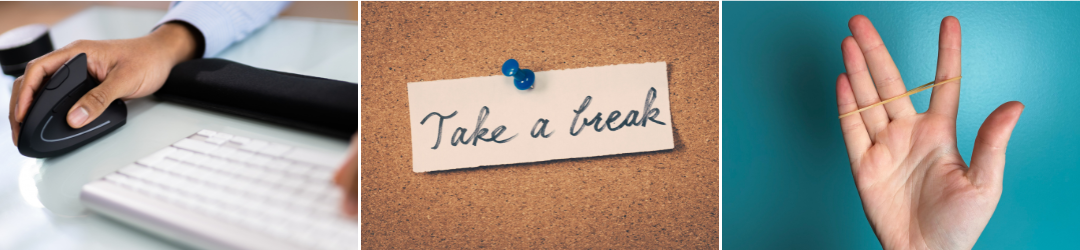
These tips, combined with the right support, can help keep your arms, hands, and wrists pain-free and strong, especially if you are at a higher risk for repetitive strain injuries, whether you’re playing a sport, typing at your desk, or caring for others.
More like this:
Shop for the Push med Wrist Brace
Shop for the Push med Elbow Brace Epi
Simple Exercises to Reinforce Hand and Wrist Strength and Stability
© BraceLab; 2025 all rights reserved
Disclaimer: While we strive to provide helpful and accurate information, BraceLab is not a medical provider and does not offer medical diagnoses or treatment. Always consult a qualified healthcare professional for medical advice, diagnosis, or treatment.