The Role of Recovery: How Proper Rest and Support Lead to Long-Term Success

The Role of Recovery: How Proper Rest and Support Lead to Long-Term Success
By Laura Jones
When it comes to physical fitness and athletic performance, many people focus heavily on training, but often underestimate the role of recovery. Rest does not equal weakness. In fact, muscle recovery and joint support are critical components of long-term health, athletic growth, and daily function. Without proper recovery strategies, like practicing dynamic stretching and building in rest days, the risk of injury increases, and overall performance can stall or decline.
Keep reading to learn more about the science and practical importance of active recovery, injury prevention, and post-workout recovery. You’ll also learn about how investing in your body’s support system leads to long-term success in and out of the gym.
Why Recovery Matters More Than You Think
After an intense workout or physical activity, your body enters a repair phase. Muscles experience microtears, joints may feel achy, and your nervous system needs a reset. Skipping proper post-workout recovery, like sleep, hydration, and nutrition, can lead to fatigue, soreness, or even long-term injuries.
That’s where muscle recovery and joint support come into play. The more you listen to your body during recovery, especially when you have sore muscles or joints, the stronger, more flexible, and more resilient it becomes over time.
Key Recovery Benefits:
• Reduces inflammation and muscle soreness
• Restores and improves joint flexibility and mobility
• Enhances performance in future workouts
• Prevents injury caused by overuse
• Supports mental clarity and mood
The Power of Active Recovery
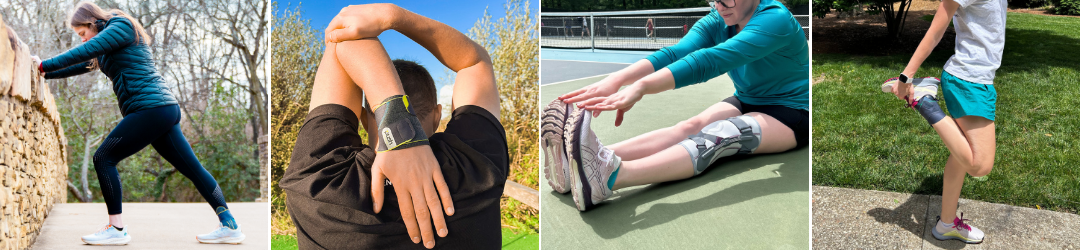
Not all rest days are created equal. Active recovery is a strategic approach where you stay lightly active through walking, stretching, or yoga to promote blood flow and accelerate healing.
Why Active Recovery Works:
• Flushes out lactic acid buildup
• Maintains range of motion in joints
• Boost oxygen flow for faster muscle recovery
• Helps integrate movement patterns and reduce stiffness
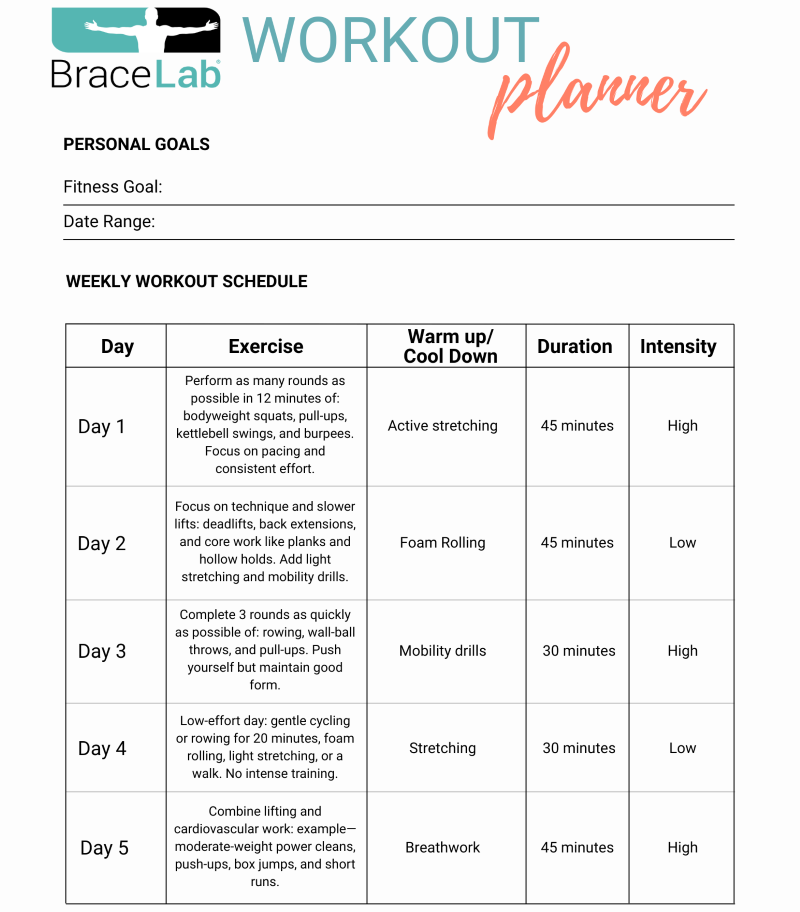
Instead of complete inactivity, schedule active recovery sessions between more intense training days. Over time, your body will thank you with greater agility and fewer setbacks. Give this sample CrossFit workout plan a try, but be sure to adjust the intensity based on your current fitness level by paying close attention to how your body feels. Aim to alternate between high-intensity days and lower-intensity or recovery-focused days to support performance and recovery.
Supporting Your Joints for Long-Term Health
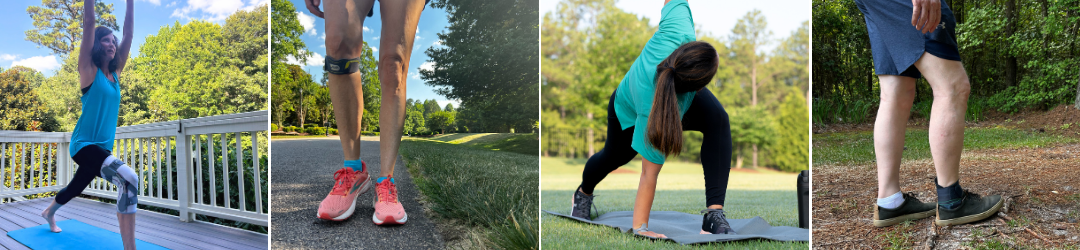
While muscles get a lot of attention, joint support is just as important for physical success. Our joints carry load, absorb impact, and stabilize the body, especially in dynamic or repetitive movements.
Simple steps to improve joint support:
• Use proper form and biomechanics during workouts
• Wear supportive gear as needed for high-impact or recovering areas
• Incorporate low-impact exercises like swimming or cycling
• Focus on mobility and stretching for the surrounding muscles
• Apply targeted compression or stabilization when soreness or strain occurs
Consistent joint support doesn’t just prevent injury, it enhances overall movement and control, making your workouts more effective and less risky.
Looking for a brace for a specific area of the body? Shop by body part:


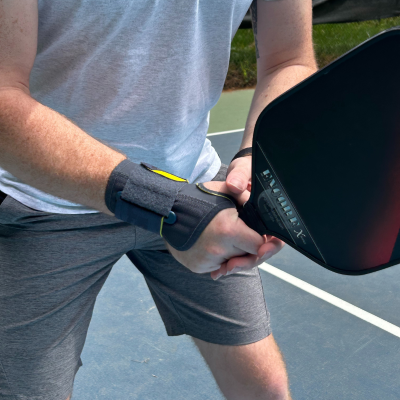

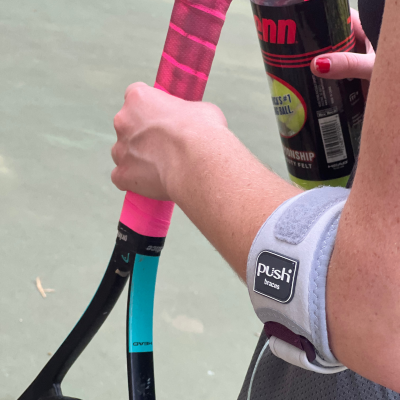
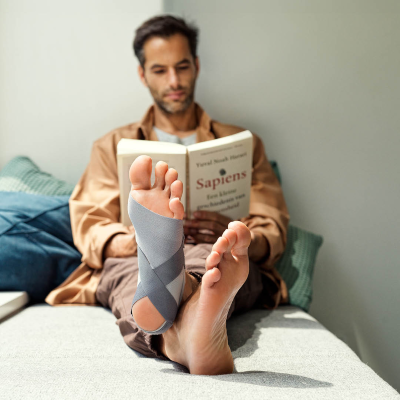
Injury Prevention Starts with Recovery
The best way to manage injuries is to prevent them. Whether you’re a runner, lifter, or weekend warrior, injury prevention should be a priority, not an afterthought.
Common Recovery-Based Prevention Tips:
• Follow structured cooldown routines after workouts
• Stay hydrated and fuel with anti-inflammatory foods
• Alternate muscle groups on consecutive workout days
• Listen to early signs of discomfort or fatigue
• Maintain strong, stable joints through targeted exercises
Creating a plan that integrates both active recovery and intentional muscle recovery helps reduce common overuse injuries in the knees, shoulders, wrists, and lower back.

Beyond the Gym: Recovery's Role in Daily Life
What happens during post-workout recovery impacts far more than your next gym session. A well-recovered body leads to better posture, less fatigue, and improved focus—at work, at home, and in daily life.
In fact, those who commit to proper injury prevention and long-term joint support often notice:
• More energy throughout the day
• Fewer aches and pains from everyday movements
• Better sleep and lower stress
• Greater consistency in fitness and personal goals
True wellness means investing in recovery just as much as training. It’s a holistic approach to your health, performance, and productivity.

How to Build a Sustainable Recovery Routine
You don't need to overhaul your life, just make recovery a consistent habit. Here's how:
Weekly recovery strategy:
1. Schedule 1-2 active recovery days weekly
2. Use foam rolling or massage post-workout
3. Stretch for joint flexibility and mobility
4. Track soreness and adjust intensity accordingly
5. Prioritize sleep, hydration, and nutrition
6. Integrate professional check-ins (PT or sports medicine) as needed
By aligning your physical activity with a structured post-workout recovery routine, you’ll not only feel better, but you’ll also perform better for years to come.
Recovery is the Real Secret to Success
If you want to grow stronger, exercise longer, and feel better day to day, prioritize your recovery just as much as your workouts. Through planned muscle recovery, solid joint support, and a focus on injury prevention, you create a foundation for sustainable progress in all areas of life.
Helpful Links:
Push med Ankle Brace Aequi Flex
Disclaimer: While we strive to provide helpful and accurate information, BraceLab is not a medical provider and does not offer medical diagnoses or treatment. Always consult a qualified healthcare professional for medical advice, diagnosis, or treatment.
© BraceLab; 2025 all rights reserved