Aequi Flex vs Push Sports Ankle Brace 8: Which Push Ankle Support Fits Your Activity?
|
Aequi Flex vs Push Sports Ankle Brace 8: Which Push Ankle Support Fits Your Activity? |
Ankle sprains are the most common musculoskeletal injury in both sport and daily life, accounting for roughly 2 million cases in the US each year. Yet despite how frequently they happen, choosing the right support after one, or before the next one, is something most people get wrong. The brace that works for a recreational athlete trying to prevent a repeat sprain might be the wrong tool entirely for someone managing chronic ligament instability or recovering from surgery.
Two braces that often come up in the same conversation are the Push med Ankle Brace Aequi Flex and the Push Sports Ankle Brace 8. Both are well-regarded. Both come from the same Push family. But they are built for genuinely different purposes, and using the wrong one can mean suboptimal support, slower recovery, or both.
This guide breaks down what each brace is engineered to do, the conditions and activity levels each one suits, how they compare side by side, and how to pick the right level of support for your ankle.
Understanding the Design Philosophy Behind Each Brace
Before comparing features, it helps to understand what each product is actually trying to achieve.
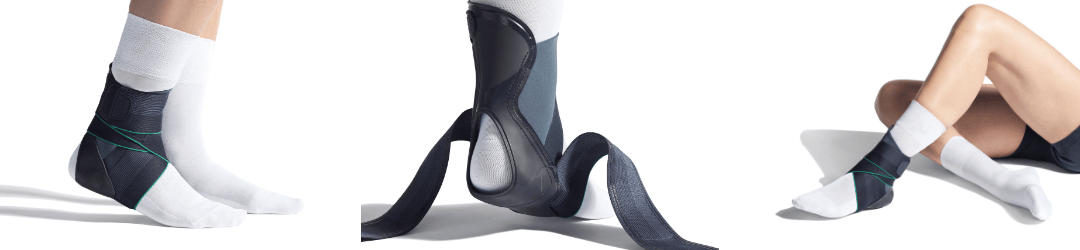
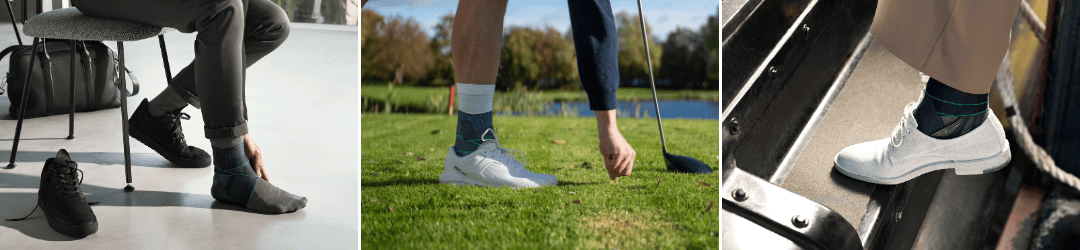
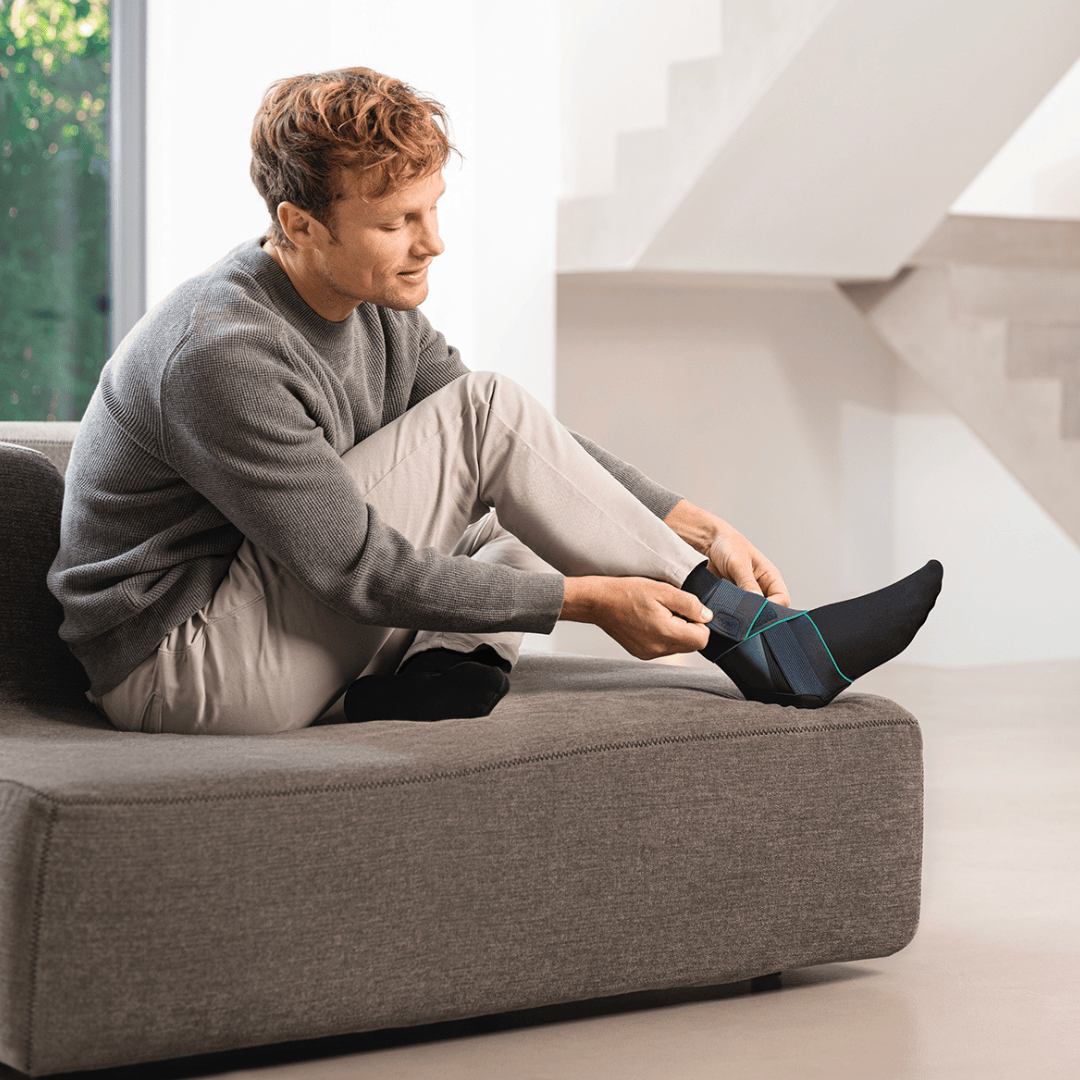
The Push med Ankle Brace Aequi Flex is a medically oriented stabilization brace and one of the best ankle braces available for preventing inversion and maintaining ankle stability. It is designed for people with moderate to severe lateral ankle instability, acute sprains, or those in a rehabilitation phase following injury or surgery, and it is equally suited to athletes and active people who want robust support during sport. The Aequi Flex is lightweight, low-profile, and comfortable enough for all-day wear, with structured support that limits harmful inversion while preserving a natural gait pattern.
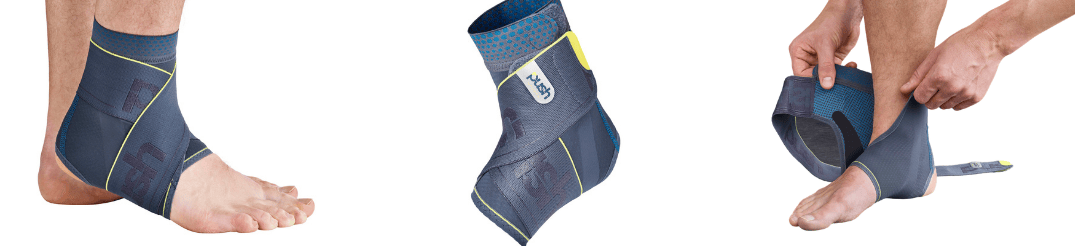
The Push Sports Ankle Brace 8 takes a different approach. It is an ultra-thin compression brace built for minor ankle sprain recovery and prevention of recurring injury. It provides pleasant compression around the joint with adjustable straps that fine-tune both compression and stability, in a profile light enough to slip into any athletic shoe.
Both sit within the broader Push ankle brace range available through BraceLab, but they occupy distinct positions on the support-to-mobility spectrum.
Push med Ankle Brace Aequi Flex: Built for Stability and Recovery
The Push med Ankle Brace Aequi Flex uses a Flex-protect shell, rigid through the center and softer towards the edges, combined with patented medial support that counteracts the lateral stress driving inward rolling. A front diagonal strap provides inversion stability while two figure-8 elastic straps add adjustable compression. In an independent biomechanical study by the Fraunhofer Institute, the Aequi Flex demonstrated the highest stability effect against inversion movements when tested against five other state-of-the-art ankle braces, confirming its position as one of the leading braces for inversion prevention. The Aequi line has been trusted by medical professionals worldwide since 1998.
Who it is designed for
- People with moderate to severe or chronic lateral ankle instability, where repeated sprains have weakened the ligaments over time
- Post-injury rehabilitation, particularly in the weeks and months following a moderate to severe grade II or III sprain
- Post-surgical or non-surgical fracture protection where the ankle needs controlled support as tissue heals
- Adults with reduced proprioception who need confident, structured support during daily activities
Key functional features
The Aequi Flex's design allows plantar flexion and dorsiflexion (the up-and-down motion of the ankle) while restricting the inversion movement that causes most sprains. This is clinically significant. You are not immobilizing the ankle, which would slow rehabilitation. You are protecting it against the specific movement pattern that causes damage.
The brace is adjustable and fits over a sock, making it practical for daily wear. As the industry-leading brace for preventing inversion, the Aequi Flex pairs structural ankle stability with meaningful proprioceptive feedback from its semi-rigid shell, which helps the nervous system retrain proper joint position sense, an often-overlooked aspect of ankle recovery that physical therapists regularly highlight. According to the manufacturer, the brace also allows early full weight-bearing while still maintaining stability, which can shorten the path back to normal activity.
Push Sports Ankle Brace 8: Built for Active Recovery and Prevention
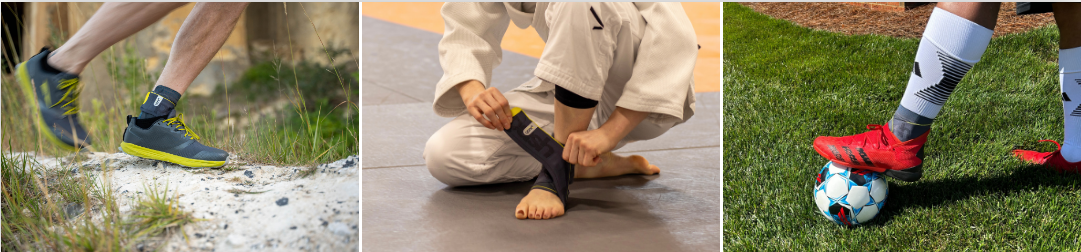
The Push Sports Ankle Brace 8 was developed for athletes and active people who want low-bulk ankle support that can be worn through training, daily activity, and recovery. Its ultra-thin, lightweight fabric delivers pleasant compression around the joint without adding cast-like bulk, and internal anti-slip strips keep it secure during movement.
Who it is designed for
- People recovering from a minor ankle sprain or strain who want supportive compression during everyday activity
- Athletes returning to sport after a minor sprain who want protective support without performance compromise
- Athletes using bracing preventively, particularly those with a history of minor sprains but no ongoing structural instability
- Anyone who has tried traditional ankle braces and found them too bulky for their footwear or activity
Key functional features
The Push Sports Ankle Brace 8 uses adjustable straps that let you dial in both compression and stability independently, so you can tune the brace to where you are in recovery on any given day. Internal thermoplastic polyurethane anti-slip strips prevent the brace from migrating during play, which is the failure mode that frustrates athletes the most.
Its ultra-thin profile means it can be worn comfortably with or without a shoe, fitting easily inside most standard athletic shoes without going up a size when you need protection during play. The lightweight construction keeps it tolerable for long days at work or on the field, and the fabric is latex-free and machine washable, which matters for athletes who use it across multiple training sessions a week.
Where it performs less well
The Push Sports Ankle Brace 8 is not the right choice for someone managing genuine chronic instability or recovering from a significant ligament injury. The support it offers is compression-based and functional rather than structural. If your ankle is actively unstable, prone to rolling without much provocation, or you are in a post-surgical phase, this brace will not provide sufficient protection. The Aequi Flex is the appropriate option in those cases.
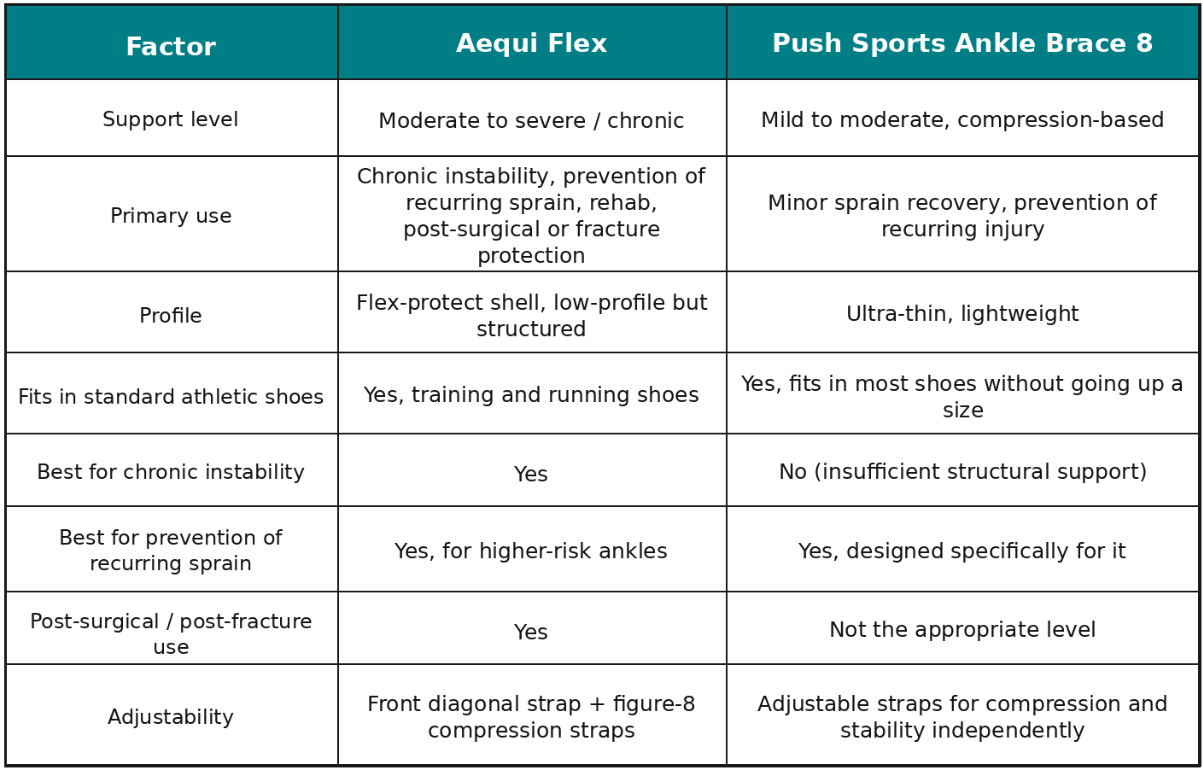
Aequi Flex vs Push Sports Ankle Brace 8: A Direct Comparison
Which Brace Is Right for You: Two Common Scenarios
This is where the comparison becomes most practically useful. Many people searching for the best Push ankle brace for sport are asking from two very different positions.
|
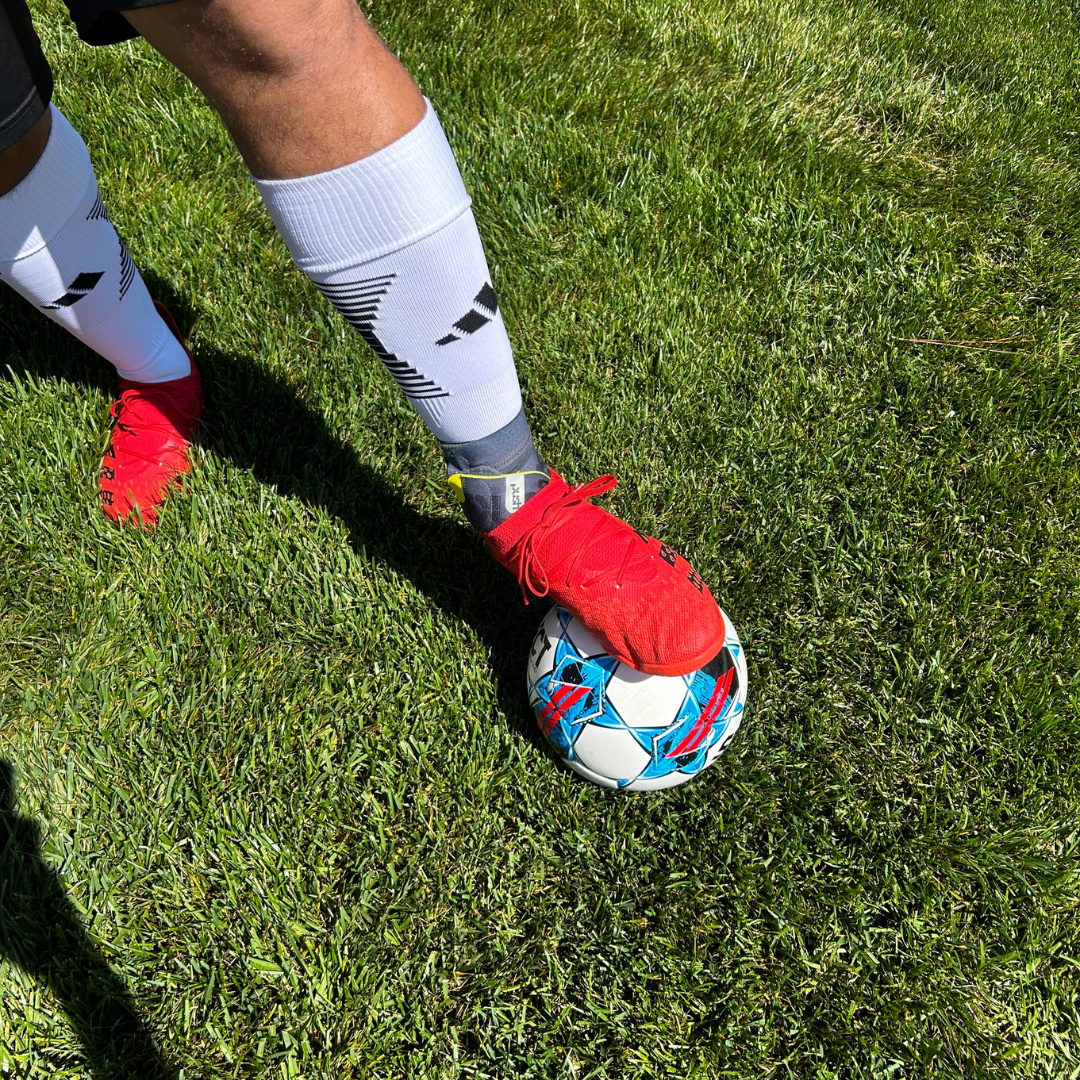
Scenario 1: A 28-year-old recreational athlete who has rolled the same ankle two or three times across the season and wants to keep playing without fear. There is no confirmed structural instability. They just want confident protection during training and games. For them, the Push Sports Ankle Brace 8 is the logical choice. It is ultra-thin enough to fit in any athletic shoe, provides adjustable compression and stability, and will reduce re-sprain risk without limiting movement. |
|
|
Scenario 2: A 45-year-old who has been told by a physical therapist that they have chronic lateral instability after years of repeated sprains. They walk with occasional episodes of the ankle giving way and have reduced confidence going down stairs. This person needs the Aequi Flex. The Push Sports Ankle Brace 8 will not adequately manage structural instability during everyday activity, let alone during sport. |
|
The distinction between prevention and management of instability is one that the American Academy of Orthopaedic Surgeons and leading sports physiotherapy bodies have consistently emphasized. Bracing for prevention requires less support than bracing for active structural instability. Confusing the two leads to either over-bracing, which can affect proprioception and muscle development over time, or under-bracing, which leaves the joint vulnerable.
If you are uncertain where you fall, you cannot reliably self-diagnose chronic ankle instability. A physiotherapist or orthopaedic specialist should assess ligament integrity and confirm what level of support is actually appropriate. That clinical input matters more than any product description.
Sizing, Fit, and Practical Wearing Tips
Regardless of which brace you choose, fit is everything. A brace that is too loose will shift during movement and provide false confidence without real support. A brace that is too tight can restrict circulation and cause discomfort that leads to people abandoning it altogether.
Both braces come with sizing guides based on foot or ankle circumference. Measure the narrowest point of your ankle and compare against the BraceLab sizing chart before ordering.
A few practical notes:
- Always wear a thin, moisture-wicking sock under the brace to reduce friction and improve hygiene during extended use
- Check the closure system regularly, particularly after sport, as straps can loosen over time
- If you are using either brace post-injury, begin wearing it during lower-intensity activities first and build up gradually as confidence and healing progress
- Neither brace is a substitute for a structured rehabilitation program. Strengthening the peroneals and improving balance through proprioceptive training remains the most effective long-term approach to ankle stability
The full range of options, including both braces discussed here, is available through the BraceLab ankle brace collection, with detailed product specs and sizing information to help narrow down the right choice.
Key Takeaways
- The Aequi Flex is the stronger choice for chronic lateral instability, post-injury rehabilitation, and post-surgical or post-fracture support where structured medial-side stabilization is needed.
- The Push Sports Ankle Brace 8 is designed for active recovery from minor sprains and for preventing recurring injury, with an ultra-thin compression profile that fits in most athletic shoes.
- Matching the brace to the level of instability is more important than brand or price.
- Both braces improve proprioception during activity, but the mechanisms (structural medial support vs adjustable compression) and degree of support are meaningfully different.
- If you are unsure whether your ankle has chronic structural instability or just needs preventive support, a physiotherapy assessment should come before selecting a brace.
Frequently Asked Questions
Can I use the Push Sports Ankle Brace 8 if I have chronic ankle instability?
The Push Sports Ankle Brace 8 is effective for active people recovering from minor sprains and for preventing recurring injury. However, if you have confirmed chronic lateral instability or ligament damage that causes the ankle to give way regularly, the Ankle 8 will not provide sufficient structural support. The Aequi Flex or a higher-grade brace would be more appropriate in that situation.
Can I wear the Aequi Flex during sport?
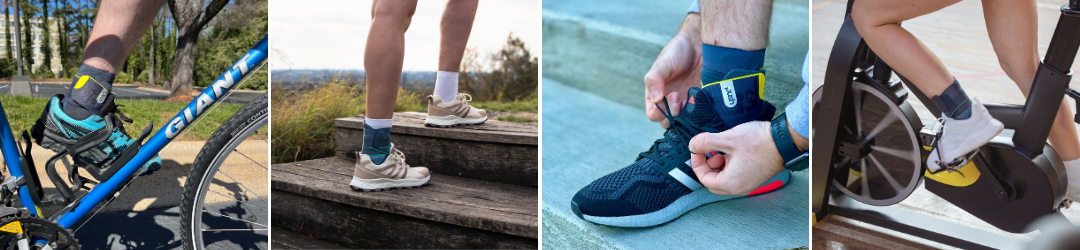
Yes, this is one of its many uses. The Aequi Flex is designed for anyone who needs structural ankle support: whether that is managing chronic instability, recovering from an injury, preventing recurring sprains, or looking for reliable stability during sport. It fits comfortably in most running shoes, training shoes, and athletic footwear, and the Flex-protect shell paired with the figure-8 compression straps allows natural movement while limiting the harmful inversion that causes most sprains. Many people with confirmed ankle instability rely on the Aequi Flex for ongoing protection during sport, training, and daily activity alike.
How long should I wear an ankle brace after a sprain?
We recommend wearing an ankle brace for up to 6 months to a year following a sprain. The role of the brace evolves through that period, providing structural support and protection during the initial healing phase, then continuing as a preventive measure as you return to full activity. Even after pain and visible swelling have resolved, the ligaments take longer to fully recover than symptoms suggest, and ongoing brace use during the months after a sprain meaningfully reduces the risk of recurrence. A physical therapist can guide the specific progression based on your sprain severity and how recovery is going.
Do ankle braces weaken the muscles over time?
No. Using a brace appropriately, including over the 6 to 12 months commonly recommended after a sprain, does not weaken the surrounding muscles when paired with targeted strengthening work. The brace protects the joint while the muscles are being retrained and the ligaments continue to heal, and the Aequi Flex specifically provides proprioceptive feedback through its semi-rigid shell that actively supports muscle and nervous-system retraining. Bracing and strengthening are designed to work together, not as alternatives.
Where can I find both of these braces and compare them properly?
Both are available through BraceLab, where you can view sizing guides, product specifications, and detailed descriptions to compare them side by side based on your specific needs.
Conclusion
Choosing between the Aequi Flex and the Push Sports Ankle Brace 8 is not really about which brace is better overall. It is about understanding what your ankle actually needs and matching the tool to that. For structured rehabilitation, chronic instability, or post-surgical recovery, the Aequi Flex offers the level of support that makes a real difference. For active people who need lightweight, compression-based protection during recovery from a minor sprain or as ongoing prevention, the Push Sports Ankle Brace 8 is the more logical choice.
Take an honest look at your situation. Is your ankle structurally unstable, or are you trying to prevent the next sprain after a minor one? That one question will do most of the work for you, and a physiotherapist can confirm the call if you are unsure.
Find the Right Push Ankle Brace for Your Situation
If you are managing chronic instability, returning from a moderate or severe sprain, or supporting the ankle through post-surgical or post-fracture recovery, the Push med Ankle Brace Aequi Flex delivers the structured medial support and Flex-protect shell needed for that level of protection. If you are looking for active, lightweight support to recover from a minor sprain or prevent the next one, the Push Sports Ankle Brace 8 gives you pleasant compression and adjustable straps in an ultra-thin profile that fits in any athletic shoe. Explore the full BraceLab ankle brace collection to compare options, find your size, and get clinically informed support shipped straight to you.