
How to Keep an AFO Brace Comfortable and Prevent Skin Irritation and Sweating
|
How to Keep an AFO Brace Comfortable and Prevent Skin Irritation and SweatingMedically reviewed by Jerry Ditz, DPT, Dip. Osteopractic, Cert. SMT, Cert. DN |
An ankle-foot orthosis (AFO) helps you walk safely and confidently, but it can only do that while you're wearing it. That's why comfort matters so much. Skin irritation, sweat, and pressure spots can make it tempting to take your AFO off before the day is done. When the brace stays comfortable from morning to evening, it can support you with every step.
The good news is that most of the comfort issues people run into with AFO braces are preventable with a few practical adjustments. Sock choice, skin care, brace fit, and daily cleaning all make a bigger difference than most people realize, and none of them require expensive gear or complicated routines.
This article walks through the most common comfort concerns AFO users face, why they happen, and what to do about each one. You will also learn how modern AFO braces such as the Push ortho AFO are built with comfort features that make many of these issues easier to manage in the first place.
Why AFO Braces Can Cause Discomfort (and Why They Do Not Have To)
An AFO brace supports your foot and ankle during walking, which means it sits against your skin for most of the day. That contact creates three things you want to manage: friction (from the brace moving even slightly against your skin), heat (from your body warmth trapped between the brace and your skin), and moisture (from sweat that would normally evaporate freely from your foot and lower leg).
Left unmanaged, that combination can lead to redness, chafing, pressure spots, heat rash, or fungal irritation. Managed well, it results in none of those. The difference is almost entirely in the daily routine and the materials that sit between the brace and your skin.
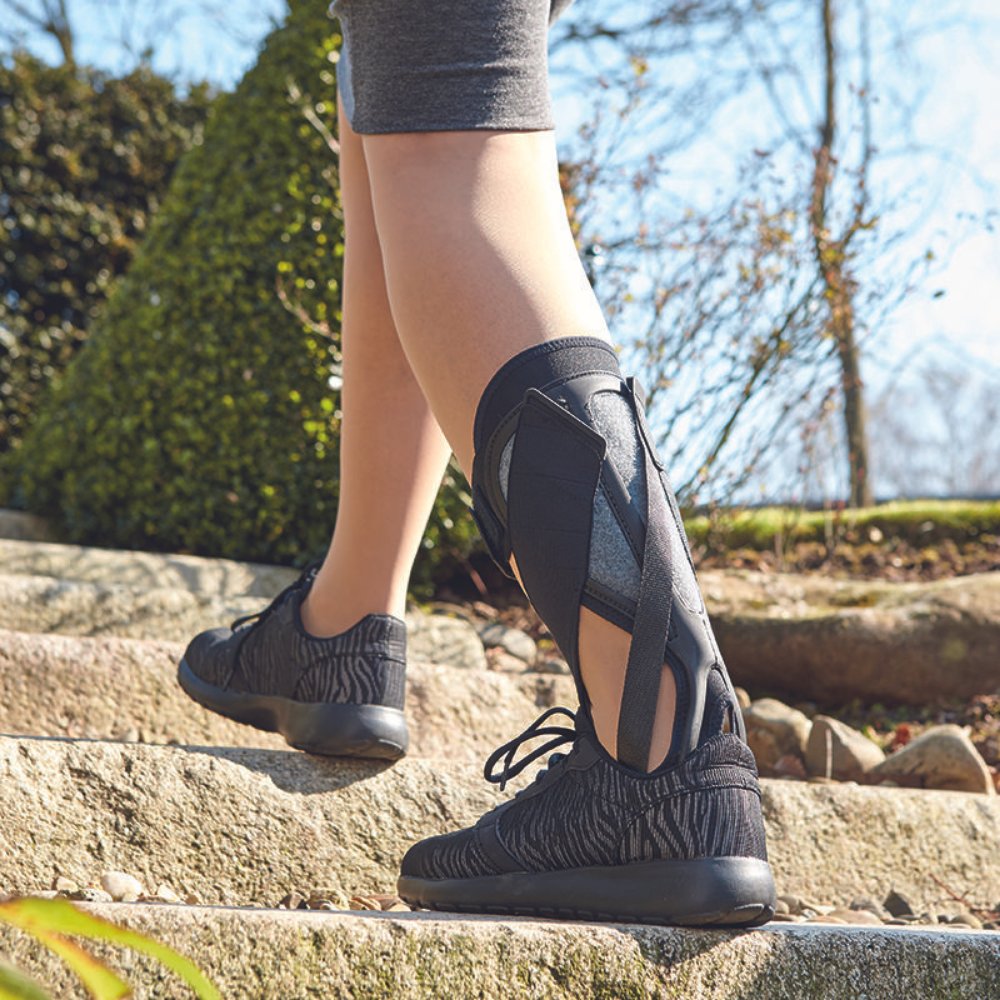
Modern AFO designs also help. The Push ortho AFO, for example, is made from soft, moisture-wicking Sympress microfiber material that draws sweat away from the skin rather than trapping it against the leg. That single material choice removes one of the biggest comfort obstacles that used to come with older, rigid AFO designs.
Choose the Right Sock (This Matters More Than Most People Realize)
|
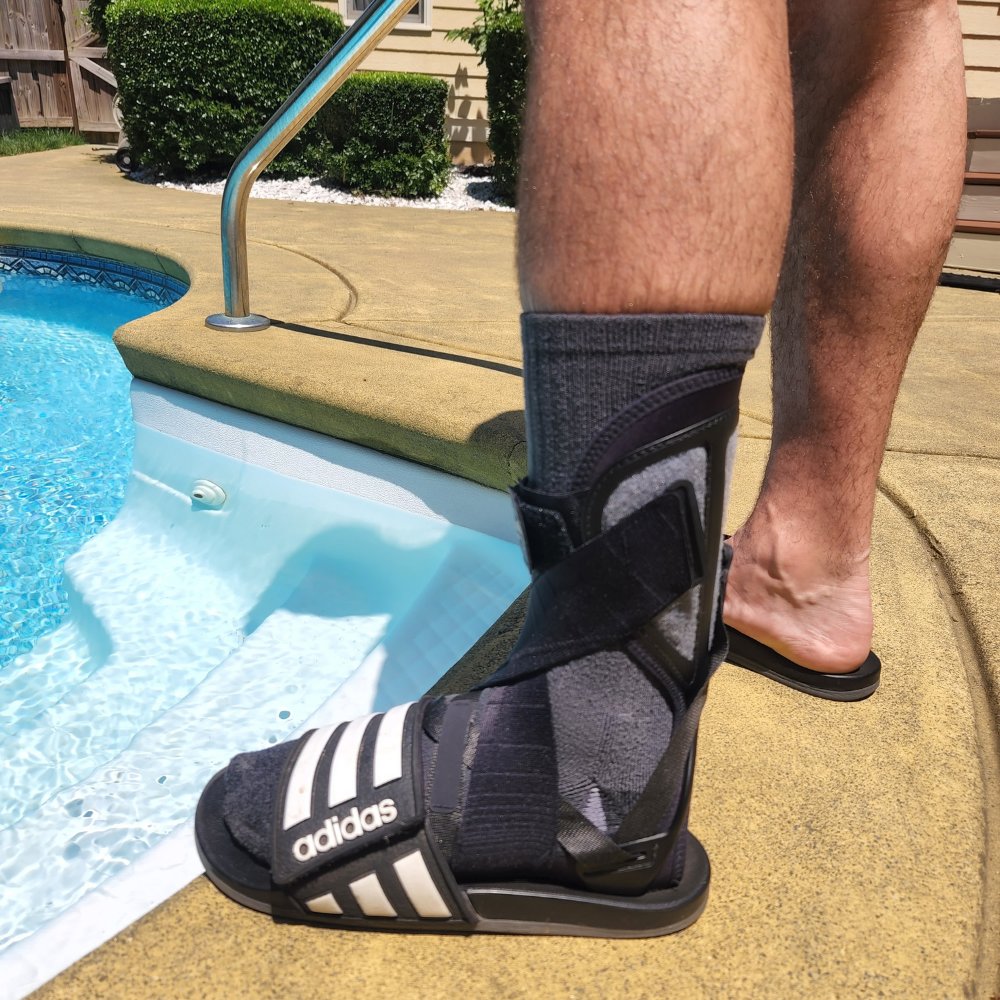
The single most effective step you can take for AFO comfort is wearing the right sock underneath the brace. The sock is the layer that manages friction between the brace and your skin, wicks sweat away, and keeps the microenvironment inside the brace as dry as possible. What to look for:
|
|
- Full-length coverage. The sock should cover every part of your skin that the brace touches, from the ball of your foot up to the top of the brace. Ankle socks that leave part of the calf exposed create a friction line right where the top of the brace sits.
- Snug fit without bunching. A sock that bunches under the brace creates pressure spots. If you feel folds forming during the day, size down or try a different cut.
Many AFO users keep a small drawer of dedicated brace socks and rotate through them so a fresh, dry pair is always available. Changing socks midway through the day is one of the easiest ways to reset comfort during warmer months.
Build a Simple Daily Skin Routine
|
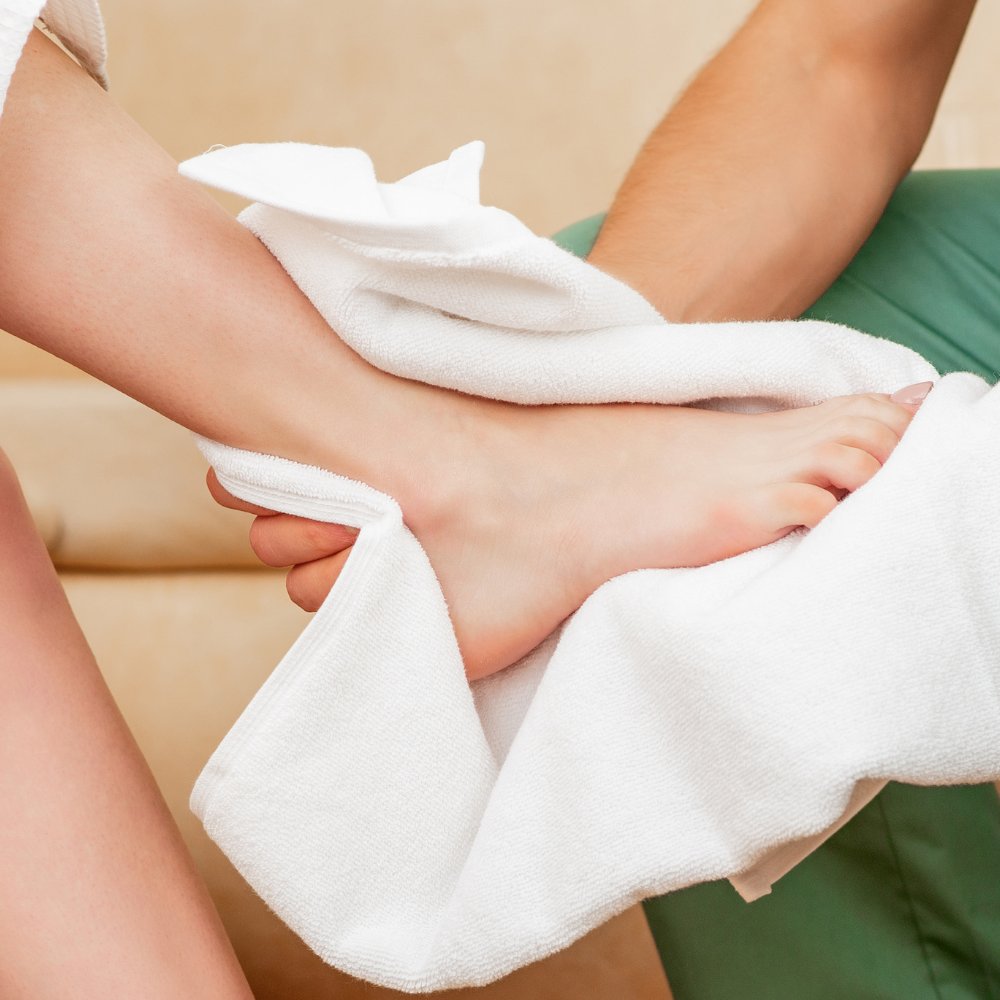
A five-minute routine before and after wearing your AFO prevents most comfort issues before they start, and it takes very little effort to build the habit. Before you put the brace on:
|
|
After you take the brace off:
- Give your skin time to air out. Even ten minutes of open air after removing the brace helps your skin dry and recover.
- Do another quick skin check. Any persistent redness that does not fade within thirty minutes is worth flagging to your orthotist or physical therapist.
- Apply moisturizer at night. This is when a good lotion helps most, because it can absorb overnight without being trapped under the brace.
Get the Fit Right Once, and Comfort Follows
|
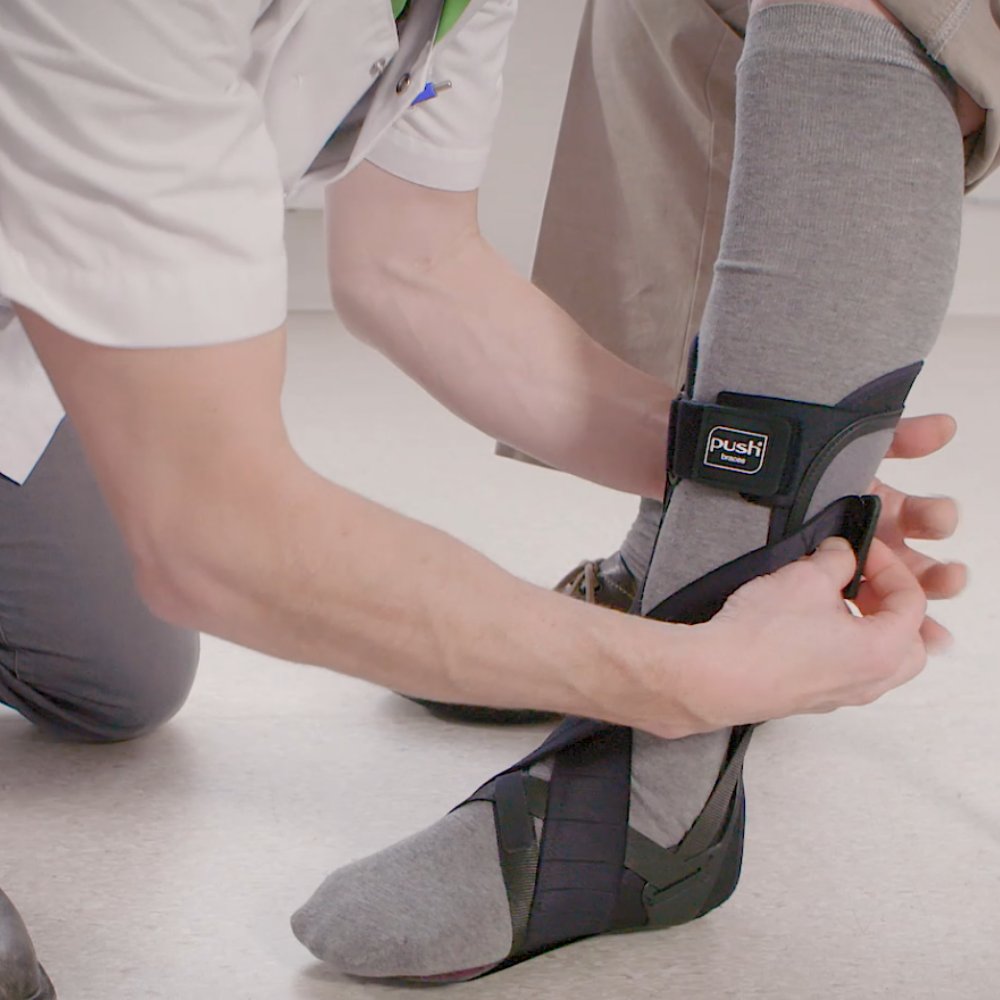
Even the best sock and skin routine cannot save you from an AFO that is not fitted correctly. Most persistent hot spots, pressure points, and chronic irritation trace back to something in the fit that needs adjusting, not to something you are doing wrong. Signs your fit needs attention:
|
|
An orthotist is the specialist who fits and adjusts AFO braces, and it is worth scheduling a follow-up appointment when any of these issues appear. Small adjustments (trimming an edge, adding padding to a pressure point, tweaking a strap position) often solve problems that would otherwise become chronic.
Clean and Care for the Brace Regularly
|
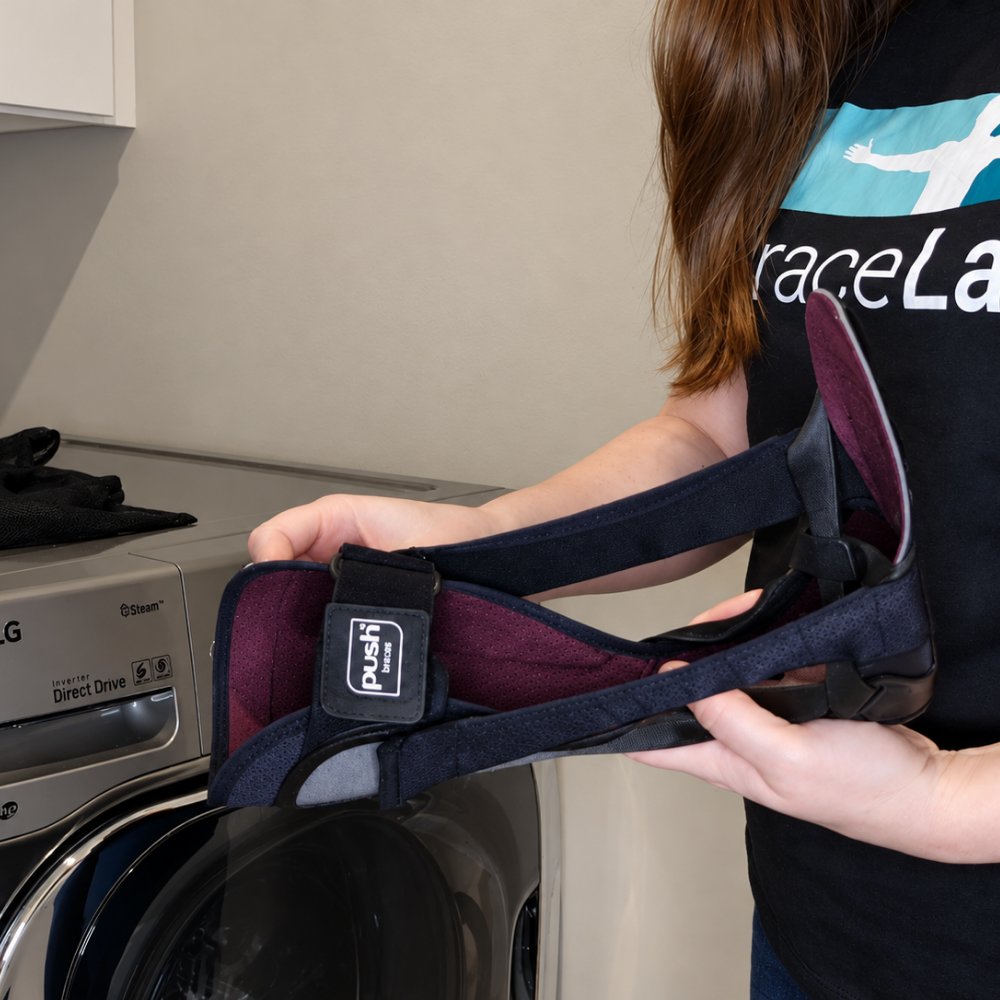
An AFO that is not cleaned regularly becomes uncomfortable on its own, no matter what your skin routine looks like. Sweat, skin oils, and daily debris build up on the inner surfaces of the brace and start contributing to both odor and irritation. A simple cleaning routine:
|
|
- Let the brace air dry completely before wearing it again. Putting a damp brace back on defeats the purpose and can encourage fungal growth. Wash it the night before if you wear it daily.
- Rotate two braces if possible. For people who wear an AFO every day, having a second brace lets one dry and rest while the other is in use. Ask your orthotist or insurance provider about coverage.
Practical Steps for Hot Weather
|
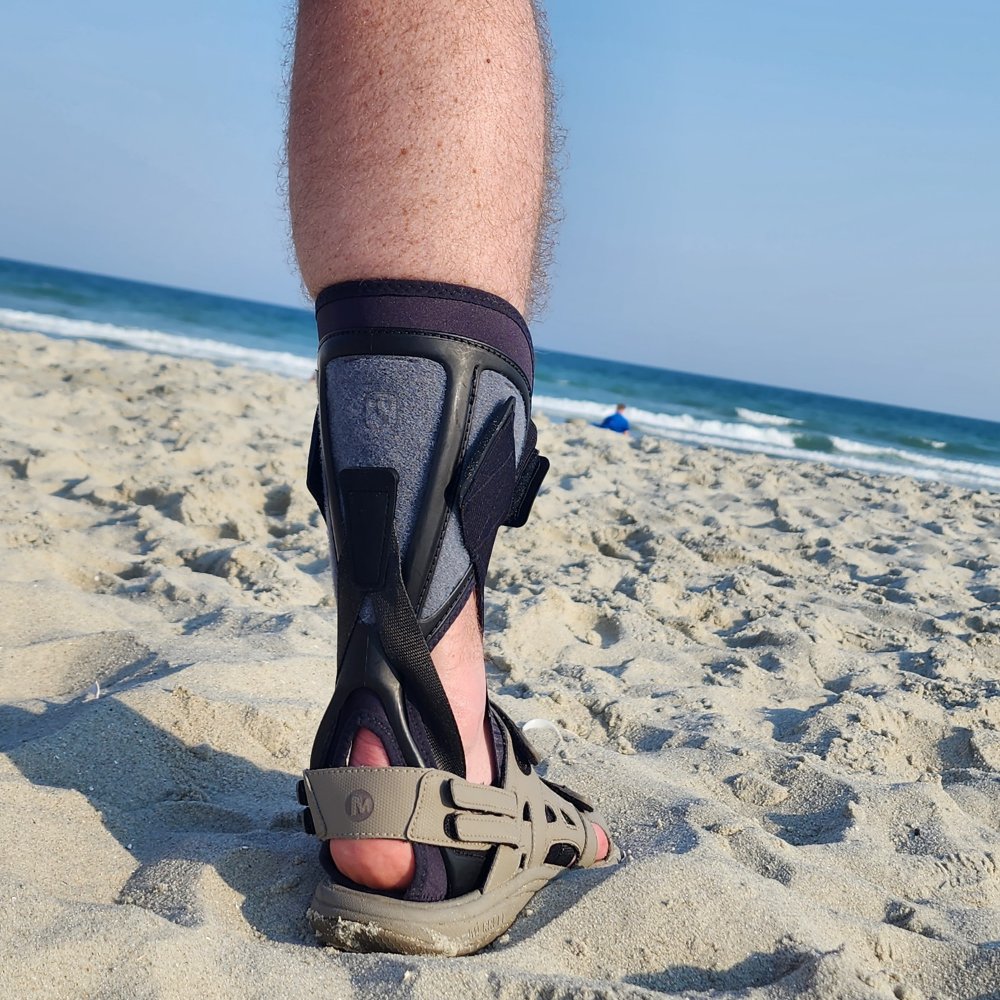
Summer heat and humidity make AFO comfort noticeably harder, but a handful of practical adjustments help significantly.
|
|
None of these are dramatic changes. Combined, they are usually enough to keep AFO wear comfortable even through the warmest weeks of the year.
When to See a Specialist
Most AFO comfort issues respond to the strategies above. A few, though, need professional attention sooner rather than later:
- Persistent skin redness or breakdown that does not resolve within a day of adjusting your routine
- Any open sore or wound where the brace contacts your skin
- Numbness, tingling, or a change in sensation that continues after you remove the brace
- Sudden difficulty walking normally in a brace that used to feel fine
- Any sign of infection (increased warmth, swelling, pus, or fever)
For AFO-specific concerns, an orthotist is the right specialist to see. They can adjust the brace, add padding, or refit as needed. For skin issues that persist despite a well-fitted brace, a dermatologist or your primary care doctor can help. And if the underlying condition that requires the AFO is changing (worsening drop foot, new weakness, gait changes), a physical therapist or neurologist is the right referral to loop back to.

Key Takeaways
- AFO comfort is largely a function of managing friction, heat, and moisture between the brace and your skin.
- Sock choice is the single biggest factor most people can control. Look for moisture-wicking, seamless, full-length socks that fit snugly without bunching.
- A simple pre-brace and post-brace skin routine (clean, dry, and skip heavy lotions before wear) prevents most irritation issues.
- If a specific spot keeps getting sore, the fit needs adjustment, not more skin care. An orthotist can make small changes that solve chronic problems.
- Clean the brace daily with a damp wipe and wash it weekly. Modern designs like the Push ortho AFO are made from moisture-wicking Sympress microfiber and are machine washable, which simplifies the whole routine.
- Persistent redness, open sores, numbness, or infection signs are reasons to see your orthotist or doctor promptly.
Frequently Asked Questions
Which shoes can I wear with an AFO brace?
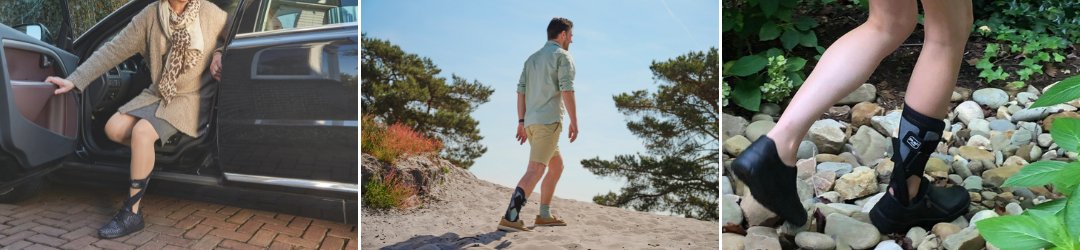
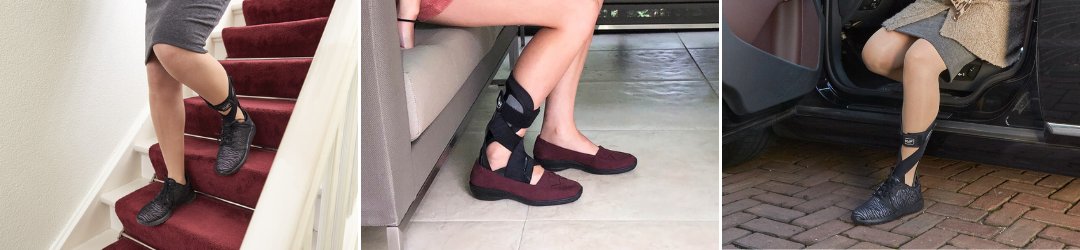
You can wear all shoes with an AFO brace, including sandals, slippers, and everyday walking shoes, since the Push ortho AFO straps to your foot and leg rather than relying on the shoe itself. Closed shoes give the most stability for daily walking, while lighter footwear works fine indoors. This makes it easier to manage drop foot from stroke, MS, or nerve-related conditions without changing your entire wardrobe around your ankle foot orthosis.
Can I wear my AFO brace every day, all day?
Yes. Modern AFO braces are designed for all-day wear, and consistent use is what allows the brace to do its job of supporting safe walking. As long as you are managing sock choice, skin care, and fit properly, daily all-day wear should be comfortable.
What is the best sock to wear under an AFO?
A moisture-wicking, seamless sock that covers the full length of skin contact under the brace. Merino wool, bamboo, and synthetic athletic sock materials all work well. Look for options marketed for athletic use or specifically for brace wearers, and avoid traditional cotton.
How do I stop my leg from sweating so much in the brace?
Sweating is your body's normal response to heat trapped under the brace, and the goal is to manage it rather than eliminate it. Choose moisture-wicking socks, change them midday if needed, keep ambient temperature down where possible, and choose an AFO with breathable materials. The Push ortho AFO's Sympress microfiber, for example, actively wicks moisture away from the skin rather than trapping it.
What should I do if my AFO gives me a pressure sore?
Stop wearing the brace over that spot until the skin heals, and schedule a fitting appointment with your orthotist as soon as possible. Pressure sores are almost always a fit issue that a small adjustment can solve. If the skin has broken or shows any sign of infection, see a doctor before returning to the brace.
Can I wear the AFO in the shower or while swimming?
Most AFO braces, including the Push ortho AFO, are not designed for immersion in water. Take the brace off before showering, swimming, or bathing. Some AFO designs made for water use exist as separate products, so if you need water-based mobility support, ask your orthotist about options.
How often should I replace my AFO brace?
This depends on the brace and how much you use it. As a general rule, if the brace no longer fits properly, has visible material breakdown, or has straps that no longer hold securely, it is time to talk with your orthotist about a replacement. Regular follow-up appointments help catch these signs early.
Find the Right AFO Support for Your Situation
If you are looking at AFO options for the first time or considering an upgrade from an older, rigid brace, explore the BraceLab foot brace collection to see the Push ortho AFO alongside the other clinician-designed foot and ankle supports available. For the wider selection of clinician-designed braces across every joint, browse BraceLab.
Conclusion
Wearing an AFO brace comfortably every day is entirely achievable. The friction, heat, and moisture that create discomfort are all manageable with the right sock, a simple skin routine, a well-fitted brace, and consistent cleaning. And modern AFO designs are built specifically to make these things easier than they used to be.
If you have been struggling with comfort, take a systematic look at each of these areas rather than assuming discomfort is just part of the deal. Most people find that a few small changes are enough to shift daily AFO wear from something they endure to something they barely notice.