Injury Prevention for Fall Sports
Injury Prevention for Fall Sports: Top Braces & Supports for Active Lifestyles
By Laura Jones
Fall sports are back, and so is the drive to compete harder, faster, and stronger. As fall sports get underway, athletes from youth leagues to adults playing recreationally are pushing their limits. Along with the excitement comes a risk of injury, especially for those returning after a long off-season or pushing themselves to new limits. That’s why understanding how to prevent injuries is just as important as training hard. There are several ways to prevent injuries, including taking the time to properly recover, slowly building up strength, or using a brace to prevent or heal from injury. Using the right sports brace provides targeted joint support and joint protection, helping athletes who are recovering from injury or are prone to recurring issues perform safely and recover efficiently.
Common Injuries During Fall Sports
Fall sports like football, soccer, and running often lead to injuries such as:
• Thumb UCL sprains (gamekeepers'/skier's thumb) from contact in football
• Ankle sprains during soccer’s quick cuts
• Knee instability in running and flag football
• Plantar fasciitis in distance runners
• Wrist strain from weight-bearing gym training
• And so much more!
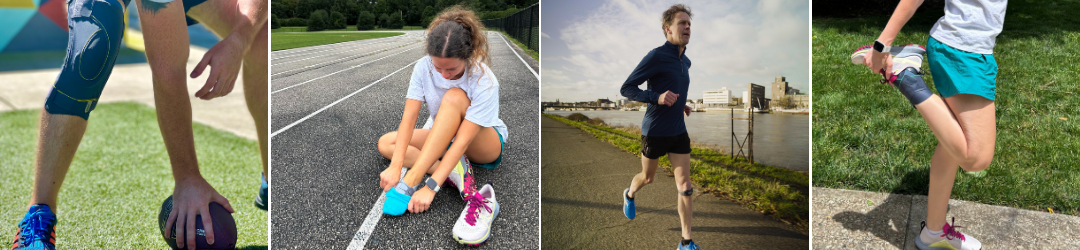
Using the right sports brace can significantly aid in both injury prevention and injury recovery for these common issues by providing targeted support, preventing excessive movement if you are hypermobile, and reducing stress on areas under repetitive stress or recovering from damage. For athletes recovering from an injury, a brace offers the stability needed to heal properly while still staying active. According to the Injuries in Athletics (track and field): A narrative review presenting the current problem of injuries, around two-thirds of athletes suffered an injury at some point during the athletics season, and with continued involvement in the sport over the years, nearly every athlete eventually encountered at least one injury. For those prone to recurring issues, the brace acts as a protective barrier, helping to distribute forces more evenly, support proper alignment, and minimize the risk of re-injury without compromising performance.
Soccer
• Happens during sprinting or quick direction changes, leading to strain or tearing in the back of the thigh
• How to heal: Focus on protected movement early on, then progressively reload with guided strength and flexibility work
• Pain along the shin from repetitive running on hard surfaces or poor footwear
• How to heal: Reduce load temporarily, keep moving within pain limits, and address footwear and running mechanics
• Caused by head impacts or falls, resulting in brain trauma with symptoms like dizziness or confusion
• How to heal: Immediate removal from play and medical assessment is crucial, followed by gradual return under professional guidance
• A ligament tear in the knee from pivoting or landing awkwardly
• How to heal: Management can include bracing, rehab, or surgery — early movement and education are key parts of recovery
• Twisting the knee can damage the cartilage between thigh and shin bones
• How to heal: Stay active with guided exercises and avoid prolonged rest; some cases may require surgery. The Push med Knee Brace can help provide comfortable support after injury or help provide protection after surgery
• Pain around the kneecap from repetitive strain, often linked to muscle imbalance or poor movement patterns
• How to heal: Maintain activity within comfort, strengthen surrounding muscles, and improve movement quality
• Quick side-to-side movements or missteps during activity may lead to ligament injuries, and improper recovery can cause reinjury, leading to ankle instability
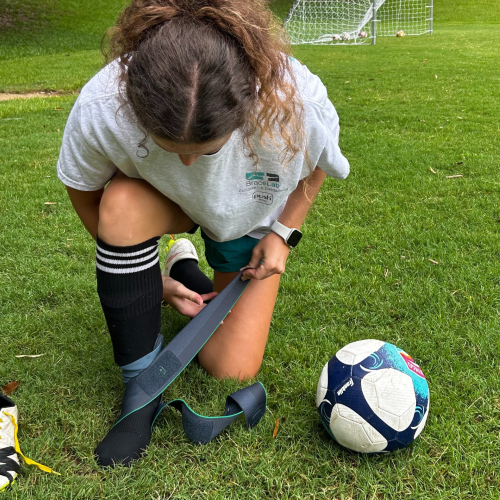
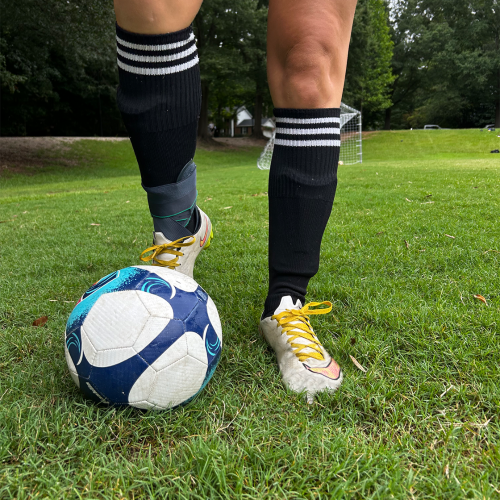
• How to heal: Depends on the severity of the sprain, but a good self-care measure is to rest and use a brace. Try the Push med Ankle Brace Aequi Flex, which uses a proven, patented medial support to prevent ankle inversion (which causes ankle sprains), is designed with comfortable materials
Running and Cross Country
• Overuse leads to pain and stiffness in the tendon connecting calf to heel
• How to heal: Gradually reload the tendon with calf-strengthening and controlled stretching
• Repeated impact causes small cracks in bones, often in the foot or shin
• How to heal: Temporary activity modification is needed, but movement should continue in safe ways
• Pain around the kneecap from repetitive running, especially downhill or with poor form
• How to heal: Adjust training, strengthen hips/quads, and return to running gradually. While gradually returning to running you can use the Push med Patella Brace to distribute comfortable pressure to the patellar tendon and offload stress from the patellar tendon
• Pain on the outer knee due to tightness or friction from the IT band during runs
• How to heal: Focus on hip and glute strength, mobility, and adjusting running technique
• Caused by overstretching or sudden acceleration
• How to heal: Early gentle movement followed by progressive strengthening is key
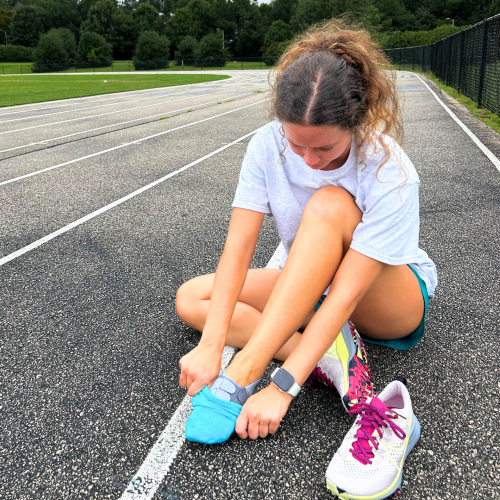
• A common overuse injury in runners caused by repetitive stress to the plantar fascia, which supports the arch of the foot
• How to heal: Stay active with supportive footwear, and load the foot gradually through strength work. You can try the Push med Foot Brace FP, which uses functional straps to connect the heel and forefoot, reducing tension on the plantar fascia during standing and walking
Football
• Results from a blow to the head or fall, disrupting brain function
• How to heal: Must be evaluated by a medical professional, with a step-by-step return-to-play plan
• Common from awkward landings or tackles that overstretch ligaments
• How to heal: Early movement, balance training, and progressive loading are important for recovery. You can choose an ankle brace to help you recover based on the severity of the sprain
• A sudden stretch or contraction tears the muscle at the back of the thigh
• How to heal: Gentle movement at first, followed by progressive strengthening and flexibility work
• Knee ligament damage from direct hits or sudden pivots
• How to heal: Movement and education come first, with a personalized plan that may involve surgery and long-term rehab
• Shoulder injury from forceful contact or repetitive throwing
• How to heal: Maintain safe shoulder mobility early, then gradually build strength and control
• Repetitive knee strain from poor mechanics or overload
• How to heal: Identify and address movement issues while keeping active with low-impact training. If you need some extra support, you can try the Push Sports Knee Brace for compression and kneecap stabilization
• Arm gets pulled or twisted, causing the shoulder to pop out of place
• How to heal: Needs medical reduction, followed by controlled rehab to restore stability and prevent recurrence
• Result from direct impact or repeated overuse
• How to heal: Relative rest is needed initially but staying mobile and gradually reintroducing load is encouraged
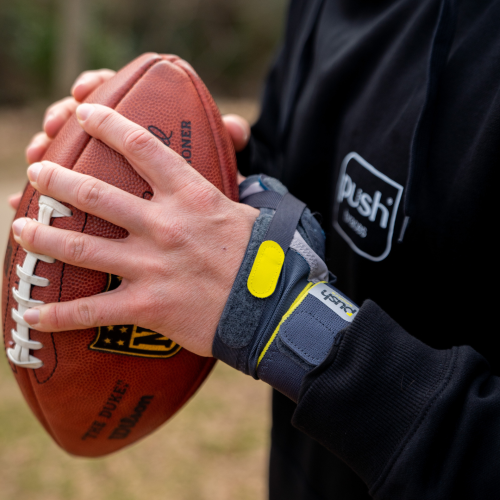
• Common in sports when the thumb can get caught or jammed, such as during falling, tackling, or contact with a ball or opponent
• How to heal: Bracing may be needed at first, followed by movement-focused rehab to restore function. The Push Sports Thumb Brace is a great option for bracing, with its contoured padded shell to protect your thumb and adjustable straps to secure its position and reduce the chance of reinjury
Choosing the Right Brace
Selecting the appropriate brace depends on your sport, injury history, and which joint(s) needs the most care. Prioritize braces that provide the ideal joint protection and enhance both injury prevention and injury recovery.
1. Identify the joint or body part that needs extra support or is injured.
2. Understand the condition or injury- we recommend seeing a doctor, surgeon, or physical therapist for an official diagnosis.
3. Determine how much support you need or ask your medical professional.
4. Measure to choose the right fit for the brace.
5. Try the brace out! Make sure the brace fits you, your lifestyle, and gives you the support you need.
Where to Find High-Quality Braces
BraceLab offers braces designed in consultation with medical professionals that balance comfort, durability, and function for active athletes. Whether you need a wrist brace for gym training or a knee brace for weekend sports, each product is crafted to deliver effective, comfortable, and machine-washable support.
Shop by body part here on BraceLab.com
Supporting your joints with the right sports brace can make all the difference in staying active and injury-free during the fall season, allowing you to have the best season yet!
Helpful Links:
Push med Ankle Brace Aequi Flex
Disclaimer: While we strive to provide helpful and accurate information, BraceLab is not a medical provider and does not offer medical diagnoses or treatment. Always consult a qualified healthcare professional for medical advice, diagnosis, or treatment.
© BraceLab; 2025 all rights reserved