
Plantar Fasciitis Explained: What It Is & How to Find Relief

Plantar Fasciitis Explained: What It Is & How to Find Relief
By Laura Jones
If you’ve ever stepped out of bed and felt a sharp, stabbing pain in your heel, you might already be familiar with plantar fasciitis—even if you didn’t know its name.
Plantar fasciitis is one of the most common causes of heel pain, affecting 10% of the general population, and it can sneak up on just about anyone: walkers, runners, busy professionals, parents on the go, or anyone who spends long hours on their feet. It’s a small problem that can cause a big disruption in your daily life.
In this post, we’ll break down what plantar fasciitis really is, what causes it, how to relieve it, and how the new Push® med Foot Brace FP can support your recovery.

What Is Plantar Fasciitis?
Plantar fasciitis is inflammation of the plantar fascia, a thick band of tissue that connects your heel to your toes and supports the arch of your foot. The plantar fascia acts like a shock absorber, helping you walk, stand, and move comfortably.
When the plantar fascia becomes overstretched or strained, it can develop tiny tears and irritation. The result? That familiar, sharp pain in the heel or arch, especially during your first steps in the morning or after sitting for long periods.
Plantar fasciitis is surprisingly common, affecting millions each year. And while it’s often associated with runners, it can affect anyone, especially those with certain foot mechanics, tight calf muscles, or occupations that involve standing or walking for extended periods.
Common Causes & Risk Factors
There’s no single cause of plantar fasciitis, but there are several risk factors and habits that can contribute to it:
• Age: People ages 40 to 60 are more likely to develop plantar fasciitis.
• Overuse: Activities that involve repetitive impact, like running or long walks on hard surfaces.
• Poor footwear: Shoes that lack arch support or cushioning.
• Foot mechanics: Flat feet, high arches, or abnormal walking patterns that place extra stress on the plantar fascia.
• Tight calf or Achilles tendons: Limited flexibility can increase tension on the fascia.
• Weight gain or pregnancy: Increased load on the feet can strain the fascia.
• Sudden activity changes: Starting a new workout routine too quickly or increasing intensity without preparation.


Understanding your unique risk factors is key to managing and preventing plantar fasciitis.
Symptoms to Watch For
The hallmark symptom of plantar fasciitis is heel pain—especially when you first get up in the morning or after sitting for a long time. The pain is typically:
• Sharp or stabbing
• Centered near the heel, though it can spread through the arch
• Worse with your first few steps, then gradually improves (though it may return later)
• Increased pain after exercise or activity
Other symptoms may include tightness, mild swelling, or a burning sensation in the arch. If this sounds familiar, you’re not alone — and there are proven ways to feel better.

What Helps? Treatment & Relief Options
While plantar fasciitis can be stubborn, it’s also highly treatable. Here are some strategies that can help you find relief:
• Rest and Activity Adjustment: Cutting back on high-impact activities and giving your feet a break can reduce strain on the fascia and allow healing to begin.
• Stretching & Strengthening: Daily stretching of your calves, Achilles tendon, and the bottom of your foot can improve flexibility and reduce tension. Strengthening your foot muscles can also improve support and balance.
• Footwear Matters: Supportive shoes with good arch support and cushioning make a big difference. Avoid walking barefoot on hard surfaces like tile or hardwood.
• Ice & Massage: Rolling your foot over a frozen water bottle or tennis ball can soothe pain and reduce inflammation.
• Athletic Taping: A visit to your doctor or physical therapist can teach you how to properly tape your foot to support the arch and relieve strain on the plantar fascia.
• Supportive Bracing: For many people, the missing piece in their recovery is easy targeted support—this is where the Push® med Foot Brace FP based on taping techniques for plantar fasciitis, comes in.
Spotlight: The Push med Foot Brace FP for Plantar Fasciitis
Experience relief with the groundbreaking Push® med Foot Brace FP, designed specifically for plantar fasciitis and heel pain. Based on Belgian sports physician Filip Parmentier's proven taping technique, this effective brace uses functional straps to connect the heel and forefoot, reducing tension on the plantar fascia during standing and walking. Its lightweight, ultra-thin profile can be worn comfortably with or without shoes, while the adjustable fit ensures optimal comfort and effectiveness throughout your day.
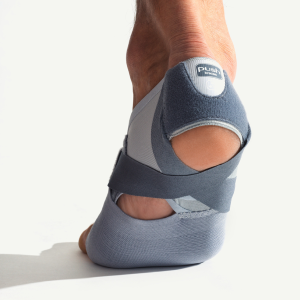
Whether you're walking, working, or just going about your day, the brace helps reduce fascia tension during all activities and encourages healing, without interrupting your lifestyle.
Explore how the Push med Foot Brace FP can support your healing:
Why Supporting Your Feet Supports Your Whole Body
When your feet hurt, it affects everything—your posture, your stride, and your energy. Over time, foot pain can lead to compensation patterns that put strain on your knees, hips, and lower back.
By addressing plantar fasciitis early and supporting your feet properly, you’re not just relieving foot pain—you’re promoting better alignment and movement for your entire body.
Foot health isn’t just about comfort; it’s about total-body wellness.

When to Seek Professional Help
If your symptoms persist for more than a few weeks despite treating symptoms yourself, or if the pain is severe, it’s a good idea to consult a healthcare professional. A podiatrist or physical therapist can assess your foot mechanics, provide a personalized plan, and recommend additional treatments like custom orthotics or physical therapy.
Bracing and at-home care can complement professional treatment for more consistent relief. Ask your medical professional if the Push® med Foot Brace FP can help you!
Take the First Step Toward Relief
Plantar fasciitis can be frustrating, but it doesn’t have to sideline your life. With the right knowledge and tools, you can manage the pain, address the root causes, and move forward—comfortably.
Simple changes like stretching, wearing supportive shoes, and using the right brace can make all the difference.
Take your first step toward relief today with the Push® med Foot Brace FP. Your feet—and your whole body—will thank you.
Disclaimer: While we strive to provide helpful and accurate information, BraceLab is not a medical provider and does not offer medical diagnoses or treatment. Always consult a qualified healthcare professional for medical advice, diagnosis, or treatment.