Push Sports Braces vs Push Braces: Which Brace Line Is Right for Your Activity Level?
|
Push Sports Braces vs Push Braces: Which Brace Line Is Right for Your Activity Level? |
If you're deciding between Push Sports Braces or Push Braces, you're in the right place. Both lines come from the same company and share a focus on evidence-based design, but they're optimized for different users, and goals.
This article breaks down the core differences, real-world applications, fit and comfort tips, maintenance, cost and buying options, plus how to test a brace before you commit, so you can choose the brace that fits your body and your plan.
Quick Brand Overview: Push Sports Braces And Push Braces
Core Design And Intended Use
BraceLab produces two recognizable lines: Push Braces (often referenced as the classic or clinical line) and Push Sports Braces (a sport-focused subset).
The Push Braces line emphasizes clinical support and rehabilitation, think controlled motion, proven stabilization, and compatibility with clinician prescriptions. Push Sports Braces lean toward athletic performance: lighter profiles, more breathability, and designs meant to be worn during training or competition without overly restricting movement.
Both lines are built using research, biomechanical testing, and feedback from clinicians and active users, including athletes.
The difference is the goal.
Push Braces focus on recovery-focused support that still lets you move through daily life. Push Sports Braces focus on lightweight, breathable support you can wear during training and competition, with mobility kept in mind.
Typical Users And Clinical Background
You'll find clinicians recommending the classic Push Braces after acute injuries, post-op protocols, or when a specific immobilization or guided motion is required.
Physical therapists, sports medicine physicians, and orthopedic surgeons often choose that line when they need predictable, measurable restriction or assistance.
Push Sports Braces are targeted at athletes, weekend warriors, and active people who need support for chronic issues (like patellofemoral pain or mild ligament instability) or want preventative protection during sport. If you're returning to play and need reassurance without a bulky setup, Push Sports fits that use case.
In short, if your priority is clinical control and rehabilitation, the classic Push Braces usually win.
If you want performance-friendly support with breathable construction for sport, Push Sports is the better bet.
Key Differences At A Glance
Support Level And Clinical Indications
- Push Braces: higher-level immobilization options, hinge systems with defined range of motion (ROM) stops, and designs intended for post-op protection or moderate-to-severe instability.
- Push Sports Braces: moderate support focused on dynamic stabilization, best for mild-to-moderate instability, proprioceptive feedback, and on-field protection.
Construction, Materials, And Breathability
- Push Braces: denser foam, more durable plastics, and often thicker straps for secure fixation. These materials prioritize durability and precise control over ventilation.
- Push Sports Braces: lightweight fabrics, perforated neoprene or mesh panels, and slimmer profiles. You'll notice better airflow and less sweat accumulation, which matters during long practices or matches.
Fit, Adjustability, And Range Of Motion
- Push Braces: built for adjustable restriction. Hinges and straps allow clinicians to set ROM limits, which is crucial in early rehab phases.
- Push Sports Braces: prioritize a close, ergonomic fit that moves with you, less about locking range and more about enhancing natural motion safely.
Technology And Evidence Base
Both lines draw on Push's clinical research, but the clinical Push Braces have more documented use in postoperative and clinical trial settings. Push Sports Braces benefit from performance testing and user feedback in athletic environments. If you want the most rigorous clinical evidence for a specific post-op protocol, the original Push Braces typically have more directly relevant documentation.
Choosing Based On Your Injury Or Goal
Braces For Ligament Injuries (ACL, MCL, LCL)
If you've had a significant ligament injury, or you're in the early stages after surgery, Push Braces (clinical line) are usually recommended because they offer hinge control and the ability to set safe ROM limits.
For low-grade sprains or as a transitional support once your clinician clears you to start functional training, Push Sports Braces can provide enough stability while allowing more natural movement.
Braces For Patellofemoral Pain And Tracking Issues
Patellar support benefits from consistent compression and lateral guidance. Push Sports Braces often include targeted patella-stabilizing features in a breathable package, great for running, gym work, or court sports.
If your tracking issue is severe or requires strict offloading, the clinical Push Braces or a clinician-prescribed patella control orthosis might be better.
Ankle, Wrist, And Elbow Applications
For smaller joints, the same rule applies: use the clinical Push Braces when immobilization or strong mechanical control is needed (for example, significant ankle instability after a major sprain).
Choose Push Sports for chronic instability, mild sprains, or prophylactic use during sport because they're lighter and less cumbersome.
Rehabilitation Versus Performance/Prevention Use Cases
If your goal is rehab, controlled ROM, progressive loading, and close clinician oversight, classic Push Braces are built for that pathway. If you want to prevent reinjury, support chronic complaints, or maintain performance with less bulk, Push Sports Braces are designed with those goals in mind.
Sizing, Fit Process, And Comfort Considerations
How To Measure And Pick The Right Size
Measure precisely. For knee braces, you'll typically measure circumference above and below the joint and follow the manufacturer's size chart.
For ankle braces and wrists, measure at the joint and at the widest relevant point. If you're between sizes, many clinicians recommend sizing up for braces that immobilize (to avoid constriction) and sizing down for performance sleeves (for optimal compression).
Pay attention to strap placement and hinge alignment. The hinge should sit at the joint line: straps should secure without pinching. If you can, try a fitting with a clinician or at a specialty store to verify alignment while you move.
Tips For Break-In, Skin Care, And Daylong Comfort
- Break the brace in gradually, start with short periods during low-intensity activity and increase wear time.
- Wear a thin performance sock or moisture-wicking sleeve under the brace to reduce friction.
- Keep skin dry.
- Use talc-free anti-chafe products or silicone pads if pressure points develop.
- If you notice red marks that don't fade within an hour or persistent numbness, stop using the brace and consult your clinician.
Performance, Durability, And Maintenance
Cleaning, Inspection, And Replacement Timelines
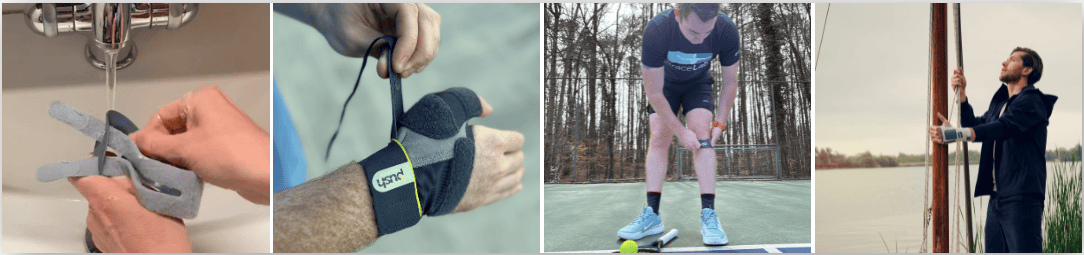
Follow the manufacturer's cleaning guidelines: all of the braces are easy to clean, and can be machine washed. Avoid high heat which can warp plastic components or degrade adhesives.
Inspect regularly: check hinges, straps, and stitching for wear. Replace a brace if its structural elements (hinge, molded shells, major straps) are compromised, don't try to jury-rig a high-load support.
Typical replacement timelines vary with use: athletes training daily may need replacement every 6-12 months: casual users might see 12-24 months, depending on wear and care.
Travel, Sport-Specific Wear, And Longevity Factors
If you travel with a brace, ensure you're comfortable and adjust the fit for longer wearing. For contact sports, expect higher wear, abrasion and impact to reduce lifespan. Your activity level, sweat exposure, and how well you maintain the brace are the biggest longevity factors.
Cost, Coverage, And Where To Buy
Price Ranges And Value Considerations
Push Sports Braces often sit at a moderate price point, designed to be accessible for athletes who want performance features without clinical complexity. Push Braces (clinical models) are typically similar in cost.
Think value not just price: a well-fitting brace that meets your clinical needs can speed recovery and lower re-injury risk, which pays off long term.
Insurance, Prescriptions, And Professional Fitting Options
Some Push Braces may qualify for insurance coverage or partial reimbursement when a clinician documents medical need, often with a prescription or physician order.
Some Push Sports Braces can also be eligible, especially when your clinician supports the request and includes the right documentation.
If you need precise ROM settings or a custom fit, seek a professional fitter (orthotist or physical therapist) or a retailer that offers clinician-backed fittings.
When To Consult A Clinician Or Specialist
Consult a clinician if you have complex instability, prior surgery, persistent swelling, or neuropathic symptoms.
If you're unsure whether you need a high-control clinical brace or a performance model, a sports medicine clinician or orthotist can make a targeted recommendation and set ROM limits if needed.
Where To Find Push Sports Braces And Push Braces
Online
Buying From A Trusted Source
Once you've identified whether you need a clinical Push Brace or a Push Sports Brace, sourcing it from a reliable supplier matters.
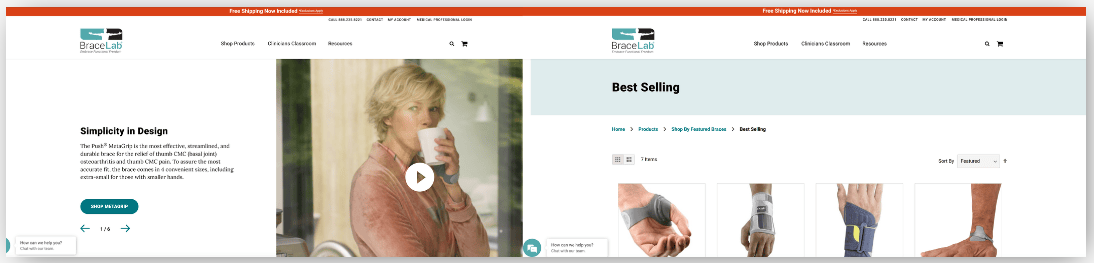
BraceLab is the exclusive US distributor and carries a full selection of Push Sports Braces and clinical Push Braces, making it straightforward to compare models, check sizing charts, and order the right fit without guesswork.
Whether you're a clinician placing an order for a patient or an athlete stocking up before a season, having a dedicated brace retailer behind your purchase means you're not sorting through generic marketplace listings or questionable product descriptions.
BraceLab's catalog is organized by joint and use case, so you can filter by ankle, knee, wrist, or elbow and quickly narrow down to the support level you need — rehabilitation-grade or performance-focused.
That kind of structured browsing saves time, especially when you're cross-referencing a clinician's recommendation against available stock.
Conclusion
Choosing between Push Sports Braces and Push Braces comes down to a simple question: do you need clinical-level control or performance-friendly support? If your priority is rehab, staged ROM control, or post-op protection, the classic Push Braces are built for that path.
If you want lighter, breathable support for training, competition, or chronic issues that don't require strict immobilization, Push Sports Braces are likely the right fit.
Test the brace, consult a clinician for high-risk cases, and prioritize fit and comfort, those factors matter more than brand alone. With the right choice, you'll protect the joint, stay active, and recover or perform more confidently.
Frequently Asked Questions
What is the main difference between Push Sports Braces and Push Braces?
Push Sports Braces prioritize lightweight, breathable support for athletic use and mild-to-moderate instability. Push Braces (clinical line) focus on higher-level stabilization, adjustable hinges, and precise ROM control for post-op rehab and moderate-to-severe instability.
Which brace line is right if I need post-op protection after ACL surgery: Push Sports Braces or Push Braces?
For early post-op ACL protection, clinicians usually recommend the clinical Push Braces because they offer hinge control and settable ROM limits. Push Sports Braces may be appropriate later as a transitional, performance-friendly option once your clinician clears you.
Can I wear Push Sports Braces during competition and intense training?
Yes—Push Sports Braces are designed for training and competition: they offer moderate dynamic stabilization, better breathability, and a slimmer profile so you can move freely while receiving proprioceptive support and on-field protection.
How should I size and break in a Push or Push Sports brace for best comfort?
Measure joint circumferences and follow the manufacturer size chart. If between sizes, it's best to contact a BraceLab customer support representative to get adequate guidance.
Are Push Sports Braces appropriate for children or adolescents?
Children and adolescents can use Push Sports Braces for mild instability or preventive support, but sizing, growth, and activity level require clinician review. Consult a sports medicine provider or orthotist to ensure correct fit, avoid growth-plate issues, and confirm the brace is appropriate for their stage of development.