Plantar Fasciitis Sleeve vs Foot Brace: Which Gives Better Relief at Work and During Exercise?
Plantar Fasciitis Sleeve vs Foot Brace: Which Gives Better Relief at Work and During Exercise?
Plantar fasciitis can hijack your day before you even pour coffee. The first-step sting, the nagging heel ache after long shifts or workouts—it’s enough to sideline your plans. When searching for relief, most people hear about two common support options: the plantar fasciitis sleeve (a compression-style sock) and the foot brace.
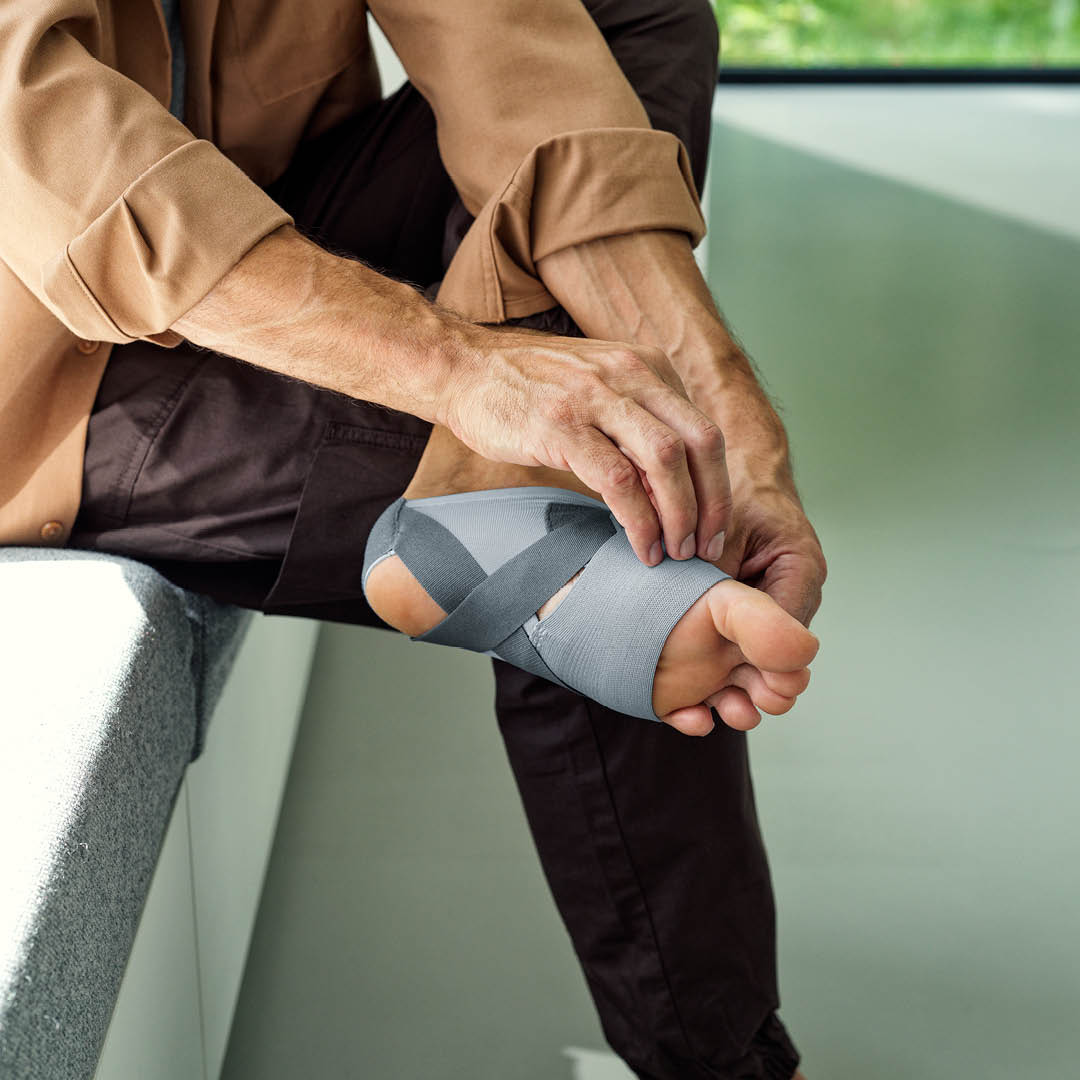
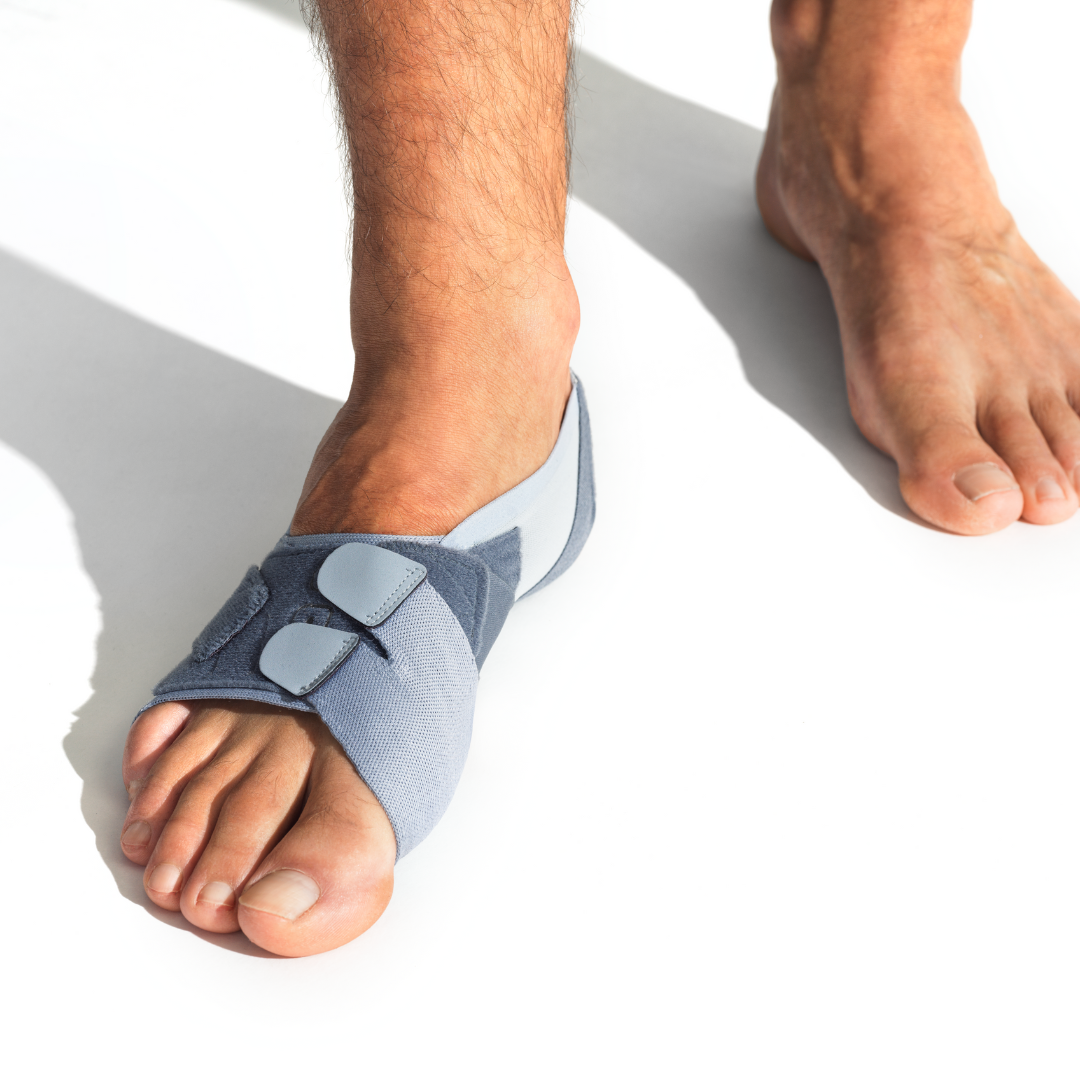
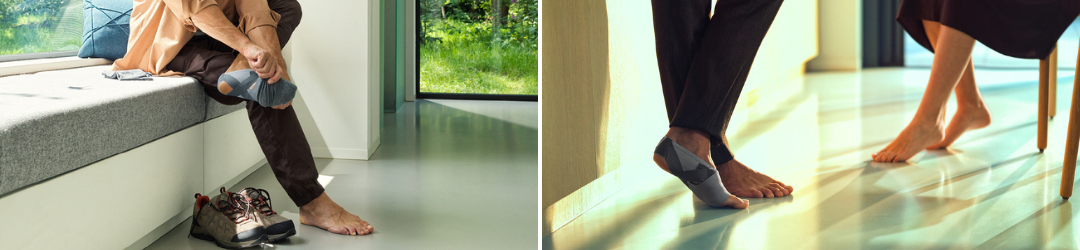
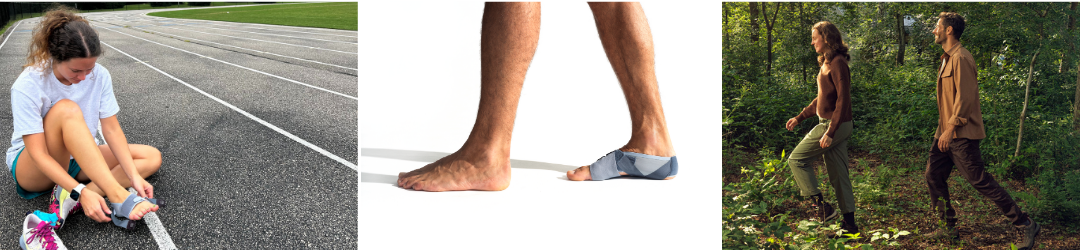
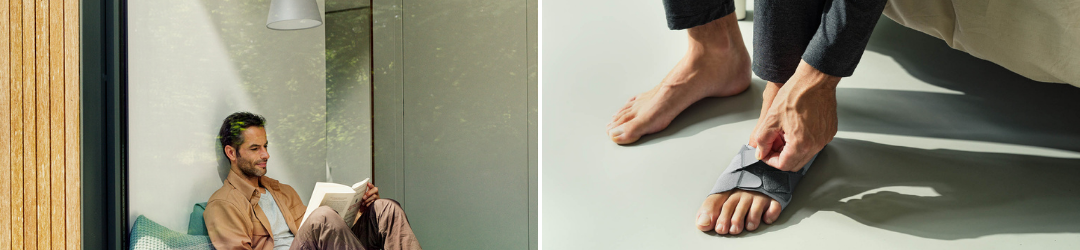
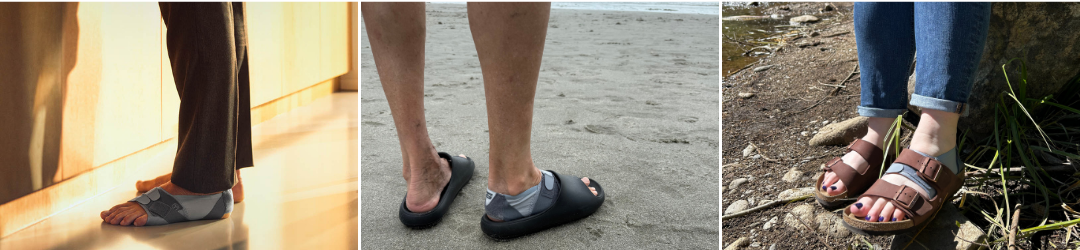
What’s often overlooked is that not all foot braces are bulky or rigid. Some modern designs are taping-based and very low profile, making them almost a hybrid between a brace and a sleeve. These supports can often be worn with or without shoes and fit easily into everyday footwear. So while they are technically classified as braces, they can also function like sleeves in many of the situations discussed below—offering compression, arch support, and comfort at work and during exercise.
How Sleeves and Braces Work for Plantar Fasciitis
Compression Sleeves
A plantar fasciitis sleeve looks like a snug ankle/foot sock without the toes. Its main job: is to provide targeted compression around the arch and heel. That gentle pressure can:
- Reduce micro-swelling around the plantar fascia insertion
- Improve proprioception (your foot's sense of position), which may subtly improve gait
- Provide a bit of arch hugging that can make each step feel more supported
Sleeves are thin, breathable, and shoe-friendly. You can wear them all day, even in tighter footwear. Think of a sleeve as a "baseline support" you can add under socks and above your insoles.
Foot Braces (Day Braces and Night Splints)
Foot braces for plantar fasciitis fall into two buckets:
- Day braces: Wrap-style supports or lace-up braces that stabilize the arch and limit painful motions. These can include figure-8 ankle wraps or semi-rigid supports with an arch strap. They offer more structure than a sleeve but still fit in many shoes.
- Night splints: Worn during sleep to keep the ankle slightly dorsiflexed (toes up toward the shin). This holds the plantar fascia in a lengthened position, reducing that brutal first-step pain by preventing overnight tightening.
Braces deliver mechanical control, less stretch-and-strain on each step (day) or prolonged gentle stretch (night).
Key Differences
- Mobility versus control. Sleeves focus on comfort with light support. Day braces add structure and control. Night splints focus on a deeper therapeutic stretch, not mobility.
- Shoe fit: Sleeves fit easily. Day braces vary by shoe volume. Night splints are only for sleep or brief rests.
- When pain hits. Sleeves can help during the day with general discomfort and swelling. Night splints work best when morning pain is your main issue. Day braces help most when walking or standing triggers symptoms.
- Learning curve: Sleeves are "set and forget." Braces require dialing in strap tension and fit.
On-The-Job Relief: What Works Best at Work
Desk and Mixed-Activity Roles
If you sit most of the day but still rack up 3,000 to 6,000 steps running errands, a plantar fasciitis sleeve is usually enough. It supports your arch without adding bulk inside your shoe. Pair it with firm, supportive insoles. Do a quick calf and plantar stretch before you stand up. If you tend to flare up mid-afternoon, add a low-profile day brace with an adjustable arch strap. It can help you get through meetings and errands without changing shoes.
Try this simple workday plan.
- Morning: Slip on sleeve + supportive insoles.
- Midday walk: Add a light day brace if symptoms are rising.
- After work: Gentle stretching/ice massage for 10 minutes.
On-Your-Feet All Day
Retail, healthcare, teachers, hospitality, if you're logging 10–15k steps or standing for hours, a sleeve alone may underdeliver. A supportive day brace with a firm arch strap, paired with cushioned-stable shoes and quality insoles, typically provides better relief. You still can wear a sleeve under the brace for comfort and sweat management.
Look for:
- A brace that stabilizes the rearfoot and supports the arch
- Minimal slippage inside the shoe (try on with your actual work socks)
- Enough shoe depth to accommodate the brace without toe crowding
Pro move: Keep two pairs of shoes and swap at lunch. Fresh midsoles + brief foot break lower strain.
Boots and Safety-Toe Footwear
Safety boots change the fit and feel of support options. They are rigid, heavy, and often run warm. A thin plantar fasciitis sleeve works well because it adds support without adding bulk inside the boot.
If pain continues, take this order.
- Add a work-boot insole with a firm heel cup and solid arch support.
- Avoid bulky day braces since they can crowd the toe box and rub around the ankle bones.
- If you want a brace, choose a slim lace-up style and test it with your exact boot model.
- For recovery after long shifts, use a night splint to help reduce first-step morning pain.
Training and Sports: Support During Exercise
Running and Walking
For most runners and walkers, a plantar fasciitis sleeve provides enough arch cueing and comfort without altering foot mechanics too much. It fits smoothly under performance socks and won't bunch. Pair it with a shoe that's right for your gait (neutral vs stability) and a firm-but-forgiving insole.
When to step up to a day brace:
- Heel pain spikes during impact or hills
- You're early in recovery and need temporary motion control
- You overpronate and your shoe/insole combo isn't quite enough
Tip: If a brace makes your shoe feel tight or changes your stride significantly, rethink. Over-bracing can shift load to calves or knees.
Strength and HIIT
High-impact moves can irritate plantar fasciitis fast. A sleeve is a great default for proprioception and comfort. For higher-impact circuits, an adjustable day brace can reduce painful micro-stretch during repeated jumps or burpees. Prioritize shoes with a stable base and modest heel-to-toe drop: a slight lift can unload the plantar fascia during squats and step-ups.
Workout adjustments that help:
- Swap box jumps for step-ups early on
- Land softly and shorten ground contact on plyos
- Warm up calves and intrinsic foot muscles (toe yoga, short-foot drills)
Court and Field Sports
Quick cuts and sprints load the fascia hard. Many athletes start with a sleeve for feel and fit, then add a low-bulk brace if pain persists. Ensure the brace allows full forefoot flex and doesn't slide during lateral moves. Tape jobs (low-dye or arch taping) under a sleeve can be clutch for tournaments where you need extra but temporary support.
Non-negotiables:
- Proper warm-up (calf, soleus, plantar fascia mobilization)
- Shoes with intact midsoles: dead cushioning equals more heel shock
- Post-play cooldown and gentle stretching to calm post-activity tightness
Fit, Comfort, and Safety Considerations
Sizing, Materials, and Compression Level
- Sleeves: Choose true-to-foot size with graduated compression (usually 15–25 mmHg for daily wear). Too tight and you'll get numb toes: too loose and you lose support.
- Day braces: Look for breathable wraps with adjustable arch straps and ankle stabilization that still let your toes flex. Test in the shoes you'll actually wear.
- Night splints: Aim for gentle dorsiflexion, not a forced stretch. You should feel a steady pull, no tingling.
Fabric matters. Moisture-wicking, flat seams, and silicone grippers reduce hotspots. Rotate pairs to keep compression consistent.
Pain Stage and Foot Type
- Early or mild pain: Start with a plantar fasciitis sleeve plus supportive insoles and calf/plantar stretching.
- Moderate pain or long shifts: Add a day brace during peak activity. Consider a night splint if mornings hurt.
- Chronic or recurrent pain: Night splints often reduce first-step pain: use a sleeve by day and address mechanics (shoes, cadence, strength).
Foot type tweaks:
- Flat/pronated feet: Stability shoes + firm arch insole + sleeve: a day brace can curb excess motion.
- High arches: Cushion with a structured heel cup: sleeves add comfort, while braces should not overly restrict.
- Tight calves: You'll benefit most from a night splint and consistent calf/soleus mobility.
When Not to Use and When to See a Pro
Skip or modify sleeves/braces if you have:
- Poor circulation, neuropathy (e.g., diabetes), skin breakdown, or a history of DVT
- Acute sharp pain with swelling/bruising after an incident (rule out tear or fracture)
- Numbness or color change in toes after donning, too tight
See a clinician (DPM, PT, sports med) if pain lasts >6–8 weeks even though smart changes, you can't bear weight in the morning, or pain interrupts sleep. Imaging or custom orthoses may be appropriate.
Evidence, Wear-Time, and Pairing With Other Treatments
What Research Shows
- Night splints: Multiple clinical reviews report night splints can reduce morning pain and improve short-term function by keeping the plantar fascia elongated overnight.
- Compression: Graduated compression can reduce localized edema and improve comfort, which many patients perceive as pain relief during activity.
- Bracing and orthoses: Combining arch support (insoles) with activity modification and stretching consistently outperforms any single tool.
Bottom line: No device fixes plantar fasciitis alone. But the right tool, at the right time, speeds up the calm-down phase so you can rebuild tolerance.
How Long to Wear and When
- Sleeves: Wear during waking hours as needed, especially for long standing/walking or workouts. If swelling reduces and pain eases, taper to high-demand periods.
- Day braces: Use during the most provocative activities (long shifts, runs, HIIT). Avoid relying 24/7: you want to restore foot strength, not outsource it permanently.
- Night splints: 1–3 months is typical. Start with 30–60 minutes before bed, then progress to overnight as tolerated. Consistency trumps intensity.
Check your skin daily. If you notice redness that doesn't fade in 20–30 minutes, adjust fit or take a break.
Combining With Insoles, Taping, and Stretching
Best-in-class routine:
- Support. Wear a sleeve during the day. Add a day brace during high-load periods. Use a night splint if morning pain is strong.
- Footwear: Wear supportive shoes with a stable heel counter and your sport-appropriate insole.
- Mobility: Daily calf and plantar fascia stretching (30–45 seconds, 2–3 rounds). Don't bounce.
- Strength: Short-foot drills, towel curls, heel raises (both straight-knee and bent-knee) 3–4x/week.
- Load management: Reduce sudden mileage spikes and high-impact jumps. Progress by 10–15% weekly.
- Recovery: Ice bottle roll 5–10 minutes after heavy activity: gentle massage for the arch.
Taping (low-dye or arch taping) can bridge tough days. It mimics an arch strap and fits neatly under a sleeve for sports or long shifts.
Conclusion
If you want the quick answer, start with a plantar fasciitis sleeve for daily comfort and most workouts. Add a day brace when activity makes symptoms worse. Use a night splint if morning pain is the main problem.
At work, sleeves disappear in shoes and keep you comfortable. Long shifts or high-impact roles often need a day brace plus solid insoles. In training, start light with a sleeve: add structure only if symptoms demand it. Across the board, pair your choice with smart footwear, steady mobility work, and gradual load progressions.
Relief isn't random, it's a plan. Choose the right support for the moment, stay consistent for a few weeks, and those first steps each day don’t have to be the worst ones. Ready to get started? Explore the Push med Foot Brace FP (Plantar Fasciitis) at bracelab or contact us and we’ll help you find the best fit.

Key Takeaways
- Plantar fasciitis sleeve vs foot brace: use the sleeve for baseline, shoe-friendly compression and step up to a day brace when activity triggers heel pain.
- A day foot brace provides stronger arch control and motion limitation than a sleeve, making it better for long shifts, impact, or overpronation.
- Night splints reduce brutal first-step pain by keeping the plantar fascia gently stretched during sleep.
- At work, sleeves shine for desk and safety-boot roles, while high-mileage jobs often need a low-bulk day brace plus supportive insoles and stable shoes.
- For running, HIIT, and court sports, start with a sleeve, add a low-profile brace only if symptoms persist, and avoid over-bracing that alters your stride.
- Prioritize fit and safety—graduated compression, breathable materials, and daily skin checks—and see a clinician if pain lasts beyond 6–8 weeks or worsens.
Frequently Asked Questions about Thumb CMC Osteoarthritis and MetaGrip Usage
At work, which gives better relief—plantar fasciitis sleeve vs foot brace?For desk or mixed-activity jobs, a plantar fasciitis sleeve usually suffices and fits easily in regular shoes. On long, on-your-feet shifts, a supportive day foot brace plus quality insoles often reduces pain better. In safety boots, choose a thin sleeve and a firm boot-specific insole; add a night splint for morning pain.
For running and exercise, is a plantar fasciitis sleeve or a foot brace better?Most runners and gym-goers do best starting with a plantar fasciitis sleeve for light support and proprioception. Add a low-profile day brace if impact, hills, or early recovery flares pain, or if you overpronate. If the brace changes your stride or tightens shoes, scale back—over-bracing can shift stress to calves or knees.
When should I wear a day brace vs a night splint for plantar fasciitis?Use a day brace during the activities that provoke symptoms—long standing, walks, runs, HIIT, or lateral sports—because it limits painful motions. Use a night splint for morning “first-step” pain: it holds the ankle gently dorsiflexed overnight, reducing fascia tightening. Many people combine both: day brace for load, night splint for wake-up relief.
How long should I wear a plantar fasciitis sleeve, day brace, and night splint?Wear sleeves during waking hours as needed, tapering to high-demand periods as pain improves. Use day braces only for provocative activities—not 24/7—to avoid deconditioning. Night splints are typically used 1–3 months: start 30–60 minutes before bed, then progress to overnight as tolerated. Check skin daily; adjust if redness persists.
Are sleeves or foot braces better than custom orthotics for plantar fasciitis?They serve different roles. Custom or firm over-the-counter orthotics provide consistent arch support in the shoe. A plantar fasciitis sleeve adds compression and comfort, while a foot brace adds motion control during high-load tasks. Many patients benefit from combining orthotics with a sleeve or day brace. Seek a clinician if pain persists 6–8 weeks.
How long does plantar fasciitis take to improve when using a sleeve or foot brace?With consistent support, smart footwear, stretching, and gradual load progressions, many see meaningful improvement in 6–12 weeks, though full resolution can take 3–6 months or longer. Night splints often speed morning relief. If pain is severe, worsening, or not improving after 6–8 weeks, consult a clinician for imaging or tailored interventions.
Helpful Links:
Plantar Fasciitis Explained: What It Is & How to Find Relief
Disclaimer: While we strive to provide helpful and accurate information, BraceLab is not a medical provider and does not offer medical diagnoses or treatment. Always consult a qualified healthcare professional for medical advice, diagnosis, or treatment.
© BraceLab; 2025 all rights reserved