
Wrist Brace for Carpal Tunnel: Which Brace Works Best for Night and Daytime Use?

Wrist Brace for Carpal Tunnel: Which Brace Works Best for Night and Daytime Use?
When carpal tunnel symptoms keep coming back, like wrist discomfort, numbness, tingling, or a lingering ache, it can be hard to know which wrist brace will help and what time of day to use it. The short answer: a well-fitted neutral wrist splint is your best bet at night, and a lower-profile, more flexible brace tends to win during the day. Below, you'll learn exactly how a wrist brace for carpal tunnel works, the key differences between night and daytime options, and how to pick (and wear) the right one so you can protect your hands without pausing your life.
What Carpal Tunnel Braces Do and When to Use Them
How Bracing Reduces Nerve Compression
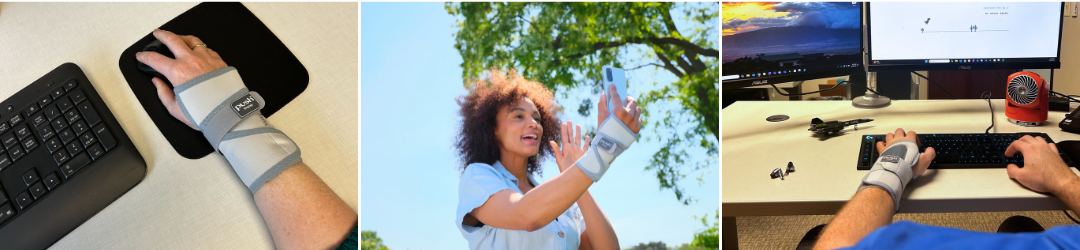
Carpal tunnel syndrome happens when the median nerve gets squeezed as it travels through a tight passageway in your wrist. The more your wrist bends (flexes or extends), the higher the pressure in that tunnel. A brace that holds your wrist in a neutral, straight position can reduce that pressure and give irritated tissue time to calm down. The Push med Wrist Brace Splint is a good option for keeping your wrist steady, especially when symptoms flare at night.

Signs You'll Benefit From a Brace
You'll likely see the most benefit if:
- Your symptoms flare at night or wake you up (numbness, tingling in the thumb, index, and middle fingers)
- You notice grip weakness or frequent "dropping things" moments
- Your job or hobby loads your wrist with repetitive motion (typing, tools, gaming, crafting)
- Early symptoms show up during pregnancy or with temporary swelling
If symptoms are severe (constant numbness, or you notice the muscle at the base of your thumb looks smaller or weaker), a brace alone may not be enough, use it for comfort and protection, but plan to see a clinician quickly.
Night Versus Daytime Braces: Key Differences
Night Braces: Priorities and Features
At night, your main goal is consistent neutral positioning for several hours. That means:
- A rigid or semi-rigid palmar stay (the strip on the palm side) that actually holds you neutral
- Full-length hand and wrist coverage to prevent curling
- Cushioned edges and a soft liner so you can sleep without pressure points
- Wide straps you can set once and forget

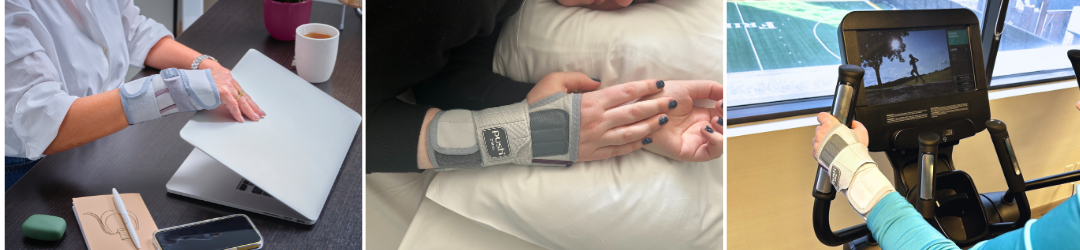
Night braces do not have to feel bulky. The Push med Wrist Brace stays low profile while still keeping your wrist in a neutral position for CTS relief while you sleep.
Daytime Braces: Priorities and Features
By day, comfort and function matter just as much as support. Look for:
- Lower-profile designs that fit under sleeves and don't block your keyboard or tools
- Light, semi-rigid support or removable stays so you can adjust stiffness
- Breathable, moisture-wicking materials to manage sweat
- Enough mobility for safe driving, mousing, or phone use without forcing wrist bend
Many people choose a more flexible brace for daytime to keep you compliant, because the best wrist brace for carpal tunnel is the one you'll actually wear.

Types of Wrist Braces and Splints
Neutral Wrist Splints
These are the workhorses for carpal tunnel. A neutral wrist splint typically includes a metal or plastic stay along the palm side to keep your wrist straight.
Best for: Nighttime use, early-to-moderate symptoms, and people who sleep with bent wrists.
Pros:
- Most effective at lowering tunnel pressure
- Clear "set it and forget it" positioning for sleep
Cons:
- Can feel too limiting for typing, driving, and other daytime tasks
- May press at the base of the palm if sized incorrectly
Soft Wraps and Compression Sleeves
These provide gentle support without a rigid stay. They won't hold you perfectly neutral but can reduce aggravating movements and remind you to avoid extremes.
Best for: Daytime support when you still need to type, text, or handle tools.
Pros:
- Discreet, breathable, more comfortable in heat
- Easy to adjust and layer under clothing
Cons:
- Less corrective: not ideal for night protection
- Over-tightening can increase symptoms rather than relieve them
How to Choose the Right Brace
Sizing and Fit Checklist
A good fit is half the treatment. Use this quick check when you try a brace:
- Measure your wrist circumference and follow the brand's size chart, don't guess.
- The palmar stay should align with your palm without poking your thumb base.
- Your fingers should be free to move: a brace shouldn't cross the knuckles.
- When strapped, your wrist sits straight, neither cocked back nor flexed.
- No tingling within minutes of putting it on. If that happens, it's too tight or misaligned.
Pro tip: If you're between sizes, size up for night use (comfort) and consider true-to-size for day use (control).
Materials and Breathability
Neoprene offers warmth and a snug feel but can get sweaty. Knit or mesh fabrics breathe better for day wear. Look for:
- Moisture-wicking liners for all-day comfort
- Smooth seams to prevent rubbing along the thumb web space
- Removable stays so you can tweak stiffness between night and day
If skin is sensitive, choose latex-free options and softer hook-and-loop (Velcro) that won't scratch.
How to Wear a Brace Safely
Day and Night Wear Schedule
For most people:
- Night: Wear a neutral wrist splint every night for 4–6 weeks. Consistency is what settles symptoms.
- Day: Use a lower-profile brace during tasks that provoke symptoms (typing, tools, driving long distances). Give your wrist breaks each hour.
Once symptoms improve, you can taper daytime use first while keeping night bracing for a few extra weeks. If symptoms rebound when you stop at night, resume nightly wear for another cycle.
Adjusting Tension and Skin Care
- Tighten just enough to hold position. If your fingers tingle or your hand looks puffy, loosen up.
- Check skin daily, especially at strap edges and the thumb base. Rotate contact points by slightly shifting strap positions.
- Keep braces clean, sweat and debris can irritate skin. Hand-wash and air-dry per the label.
- Avoid wearing a wet brace: moisture increases friction and rash risk.

Limits, Evidence, and When to Seek Care
What Research Says
Clinical studies consistently show that neutral wrist splinting, especially at night, can reduce pain and nighttime numbness in the short term and improve function for mild to moderate carpal tunnel syndrome. Benefits are often noticeable within 2–6 weeks. Splinting doesn't "cure" the condition, but it buys your nerve quiet time so inflammation can settle. Compared with no treatment, bracing helps many people delay or avoid invasive options. Compared with surgery, braces provide less symptom relief overall but carry virtually no procedural risk.
Red Flags and Next Steps
Call a clinician if you notice:
- Constant numbness (not just at night)
- Worsening weakness or clumsiness, or visible thumb muscle shrinking
- Symptoms that don't improve after 6–8 weeks of consistent night bracing
- New neck or shoulder pain with radiating symptoms (could be something else)
Next steps should focus on a simple plan you can follow at home.
Start with a targeted routine. Add nerve glides and gentle forearm stretches each day. Improve your setup so your wrists stay neutral. Use a comfortable keyboard and mouse. Take short micro breaks every 20 to 30 minutes to reset your hands and shoulders.
If symptoms persist, get worse, or you notice constant numbness or weakness, schedule an exam with a healthcare professional. A clear evaluation helps confirm the cause and build the right treatment plan. Combine these changes with supportive, anti-inflammatory habits and consider a wrist brace for work or sleep if it helps you stay in a neutral position.
Conclusion
For most people, the best wrist brace for carpal tunnel is a neutral wrist splint at night plus a lighter, breathable brace for symptom-prone daytime tasks. Night bracing does the heavy lifting, keeping your wrist straight for hours so the median nerve can breathe, while a low-profile daytime option helps you stay productive without flare-ups. Choose a brace that fits comfortably, breatheably, and actually keeps you neutral. Wear it consistently for a few weeks, pair it with smarter ergonomics, and you'll give your hands a real shot at relief.
Need help choosing the right brace? Contact us at BraceLab and we’ll help you find the best option for your needs.
Key Takeaways
- For most people, the best wrist brace for carpal tunnel at night is a neutral wrist splint with a rigid or semi-rigid palmar stay that keeps the wrist straight.
- During the day, choose a lower-profile, breathable brace with light or removable stays so you can work, drive, and type without forcing wrist bend.
- Size and fit matter: measure your wrist, align the palmar stay, keep fingers free, and tighten only enough to avoid tingling or puffiness.
- Follow a wear schedule: use the night splint consistently for 4–6 weeks and wear a lighter brace during symptom-triggering tasks, taking brief breaks each hour.
- Expect relief within 2–6 weeks for mild to moderate cases, and seek clinical care if numbness is constant, weakness worsens, or no improvement occurs after 6–8 weeks.
Frequently Asked Questions
What is the best wrist brace for carpal tunnel at night?For night use, the best wrist brace for carpal tunnel is a neutral wrist splint with a rigid or semi‑rigid palmar stay. It keeps your wrist straight to lower tunnel pressure while you sleep. Look for full hand-wrist coverage, soft liners, cushioned edges, and wide straps you can set and forget.
Which wrist brace works best for daytime use?During the day, choose a lower-profile wrist brace for carpal tunnel that allows function without forcing wrist bend. Semi‑rigid or removable stays, breathable fabrics, and slim designs that fit under sleeves help you type, drive, and use tools comfortably—supportive enough to limit extremes but flexible so you’ll actually wear it.
How tight should a carpal tunnel wrist brace be and how should it fit?Snug, not tight. Your wrist should rest straight—neither cocked back nor flexed—with fingers free to move. The palmar stay should align with your palm without poking the thumb base. If you feel tingling, puffiness, or numbness within minutes, loosen or refit. Follow the brand’s size chart; size up for night comfort.
How long should I wear a wrist brace for carpal tunnel, and when will I notice relief?Wear a neutral splint every night for 4–6 weeks; many feel improvement within 2–6 weeks. Use a lighter brace during symptom‑provoking daytime tasks and take hourly breaks. As symptoms improve, taper daytime use first. If night symptoms return after stopping, resume nightly wear for another cycle.
Can a wrist brace cure carpal tunnel, or do I still need other treatment?A brace doesn’t cure carpal tunnel, but it reduces nerve pressure and often improves pain, numbness, and function in mild to moderate cases. Seek care if you have constant numbness, worsening weakness, or no improvement after 6–8 weeks. Ergonomics, nerve glides, anti‑inflammatory strategies, injections, or surgery may be considered.
Are copper or magnetic wrist braces effective for carpal tunnel?Evidence for copper‑infused or magnetic braces is limited. What matters most is keeping the wrist neutral, proper fit, and consistent use. A well‑designed neutral wrist splint typically outperforms novelty materials. If you like a copper sleeve for comfort, pair it with a true neutral splint at night for best results.
Helpful Links:
Disclaimer: While we strive to provide helpful and accurate information, BraceLab is not a medical provider and does not offer medical diagnoses or treatment. Always consult a qualified healthcare professional for medical advice, diagnosis, or treatment.
© BraceLab; 2025 all rights reserved