
Plantar Fasciitis Brace Guide: Stay Active Without Heel Pain
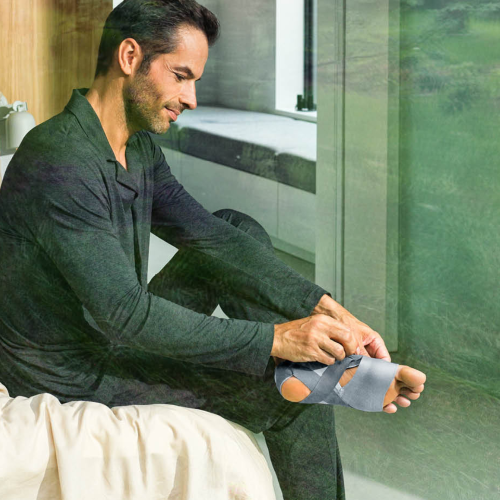
Plantar Fasciitis Brace Guide: Stay Active Without Heel Pain
Stay Active Without Letting Heel Pain Slow You Down
Heel pain can be frustrating—especially when it starts to interfere with the activities you enjoy most. Whether it’s walking, hiking, or running, plantar fasciitis can make every step uncomfortable. The good news is that you don’t have to stop moving.
With the right plantar fasciitis brace, you can reduce strain on your foot, stay active, and support recovery at the same time. In this guide, you’ll learn what causes plantar fasciitis, how to stay active safely, and how the right support can help you keep doing what you love.
What Is Plantar Fasciitis and Why Support Matters
Plantar fasciitis is one of the most common causes of foot pain at the heel. It occurs when the plantar fascia—a thick band of tissue that runs along the bottom of your foot—becomes irritated and strained due to overuse and repetitive stress.
Common causes include:
• Long periods of standing or walking
• Running or high-impact activities
• Poor footwear or lack of arch support
Without proper support, this strain can build over time and worsen symptoms. Many people try a combination of strategies to find relief—such as stretching, footwear changes, activity modification, and supportive devices like a plantar fasciitis brace—to reduce stress on the foot while staying as active as possible.
Plantar Fascia vs Plantar Fasciitis - What's the Difference?
Understanding the difference helps clarify why support matters:
• Plantar fascia: The connective tissue supporting your arch
• Plantar fasciitis: Irritation or damage to that tissue
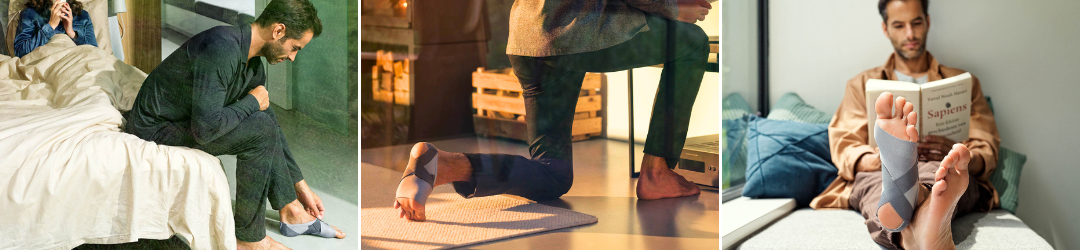
A plantar fasciitis brace helps stabilize the arch and reduce tension on the fascia, allowing you to move more comfortably while supporting recovery.
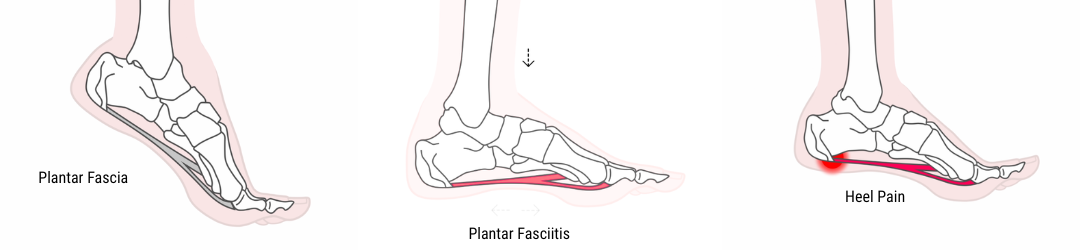
Heel Spur vs Plantar Fasciitis — Understanding the Root Cause of Pain
When comparing heel spur vs plantar fasciitis, it’s important to know they’re not the same—though they often occur together.
• Heel spurs: Bony growths on the heel
• Plantar fasciitis: Irritation and micro tearing of the plantar fascia
Both can lead to foot pain at the heel and are often linked biomechanically. Because of this, both conditions benefit from proper support.
Many people find relief using plantar fasciitis braces, which help reduce strain on the plantar fascia while also improving foot alignment and cushioning impact—helping offload pressure around heel spurs.
How a Plantar Fasciitis Brace Helps You Stay Active
A plantar fasciitis brace works by supporting the arch and redistributing pressure across your foot. This reduces strain on the plantar fascia and minimizes foot pain at the heel during movement.
Key benefits include:
• Stabilizes the foot during activity
• Reduces repetitive stress
• Improves comfort and endurance
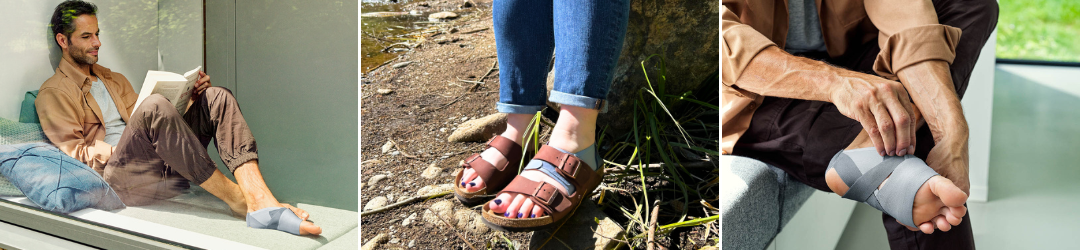
For those looking for structured, low-profile support, options like the Push med Foot Brace FP provide stability without restricting movement.
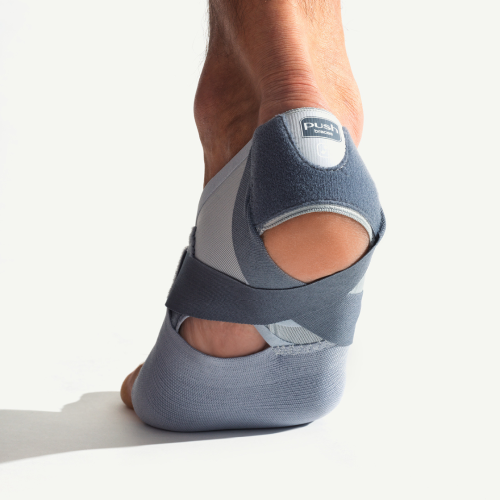
Other Ways to Support Plantar Fasciitis Recovery
While a plantar fasciitis brace plays a central role in reducing strain and supporting movement, it works best when combined with simple daily habits:
• Gentle calf and plantar fascia stretching
• Wearing supportive footwear with proper arch support
• Gradually increasing activity levels
Combining these strategies with a plantar fasciitis brace can help improve comfort and support long-term recovery.
Walking Is an Ideal Exercise for People with Plantar Fasciitis
In the early or painful stages of plantar fasciitis, reducing load on the foot is often more appropriate than increasing activity. Excessive walking, especially on hard or uneven surfaces, can aggravate symptoms.
For those who want to stay active while minimizing strain, low-impact or non-weight-bearing options are often better choices.
Safer Ways to Stay Active
• Water walking or pool-based exercise to reduce load on the heel
• Cycling or other low-impact cardio
• Gentle mobility and stretching routines
Progressing Activity Safely
As symptoms improve, gradual reintroduction of walking may be appropriate:
• Start with short, controlled distances on flat surfaces
• Wear supportive footwear and a plantar fasciitis brace
• Monitor pain levels and scale back if symptoms increase
Using a plantar fasciitis brace during this progression can help support the foot, improve alignment, and reduce strain as you return to weight-bearing activity.
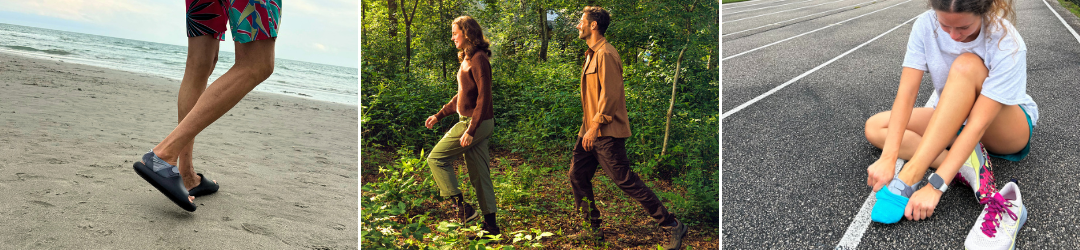
Walking, Hiking, and Running with a Plantar Fasciitis Brace
Walking
Walking is the best place to start. A plantar fasciitis brace reduces foot pain at the heel and allows you to move more comfortably throughout the day.
Hiking
Hiking introduces uneven terrain, increasing strain on your feet. A supportive plantar fasciitis brace improves stability and helps prevent fatigue on longer trails.
Running with Plantar Fasciitis
Running with plantar fasciitis is possible—especially with the right support and a gradual approach.
A plantar fasciitis brace helps stabilize the foot, reduce strain on the fascia, and improve alignment during movement, making it easier to stay active.
• Start slowly and build gradually
• Avoid hard surfaces initially
• Use a plantar fasciitis brace for consistent support
With proper support and smart progression, many people are able to continue running while managing symptoms.
Foot Injuries from Running and How to Avoid Them
Foot injuries from running are often caused by repetitive stress and lack of support.
Common issues include:
• Plantar fasciitis flare-ups
• Achilles strain
• Stress-related foot pain
Using braces for plantar fasciitis can help reduce impact and improve alignment, lowering your risk of injury.
How to Choose the Right Plantar Fasciitis Brace
Not all braces are the same. Choosing the right plantar fasciitis brace depends on your activity level and comfort needs.
Key considerations:
• Proper fit and sizing
• Level of support needed
• Compatibility with footwear
Look for designs that provide targeted arch support without limiting mobility.
Daily Use and Maintenance Tips
To get the most out of your plantar fasciitis brace:
• Wear it during activities that trigger pain
• Ensure a snug but comfortable fit
• Clean regularly
• Store properly
Consistent use can significantly reduce heel pain over time.
Key Benefits of Using a Plantar Fasciitis Brace
A plantar fasciitis brace offers several important benefits:
• Reduces foot pain at the heel during movement
• Improves stability and balance
• Supports healing without surgery
• Enhances comfort during walking, hiking, and running
• Helps you stay active longer
For many people, braces for plantar fasciitis are a simple and effective way to maintain mobility.
Other Braces for Staying Active Outdoors
Best Patella Stabilizing Brace for Sports
Supports knee stability during hiking and running.
Best Wrist Brace for Sports
Helpful for trekking poles and outdoor balance support.
Best Thumb Brace for Sports
Provides grip support when handling gear or equipment.
Frequently Asked Questions
Do I need a plantar fasciitis boot?
A boot immobilizes the foot, while a plantar fasciitis brace allows movement with support—making it more practical for staying active.
Can plantar fasciitis heal quickly?
There’s no instant fix, but consistent support, stretching, and proper activity can help speed recovery.
Is walking good for plantar fasciitis?
Yes—especially when supported with proper footwear and a plantar fasciitis brace.
Should I limit activity?
High-impact activity may need to be reduced, but controlled movement like walking can support recovery.
Best plantar fasciitis brace for walking
Look for a brace that provides arch support, stability, and comfort for extended wear. Options like the Push Med Foot Brace FP are designed for active use.
Exercise for plantar fasciitis
Stretching and strengthening exercises help improve flexibility and reduce strain on the plantar fascia.
Key Takeaways
• A plantar fasciitis brace helps reduce pain and improve mobility
• Walking, hiking, and running are possible with the right support
• Consistent use supports long-term recovery and can reduce foot pain at the heel
• Proper support helps you stay active without worsening symptoms
Stay Active with the Right Support
You don’t have to give up the activities you enjoy because of heel pain. With the right plantar fasciitis brace, you can keep moving while supporting your recovery.
Explore your options today and find the support you need to move comfortably, stay active, and get back to doing what you love.
Medical Disclaimer:
This content is for educational purposes only and is not a substitute for professional medical advice. Always consult your healthcare provider for diagnosis, fitting, and treatment recommendations.
© BraceLab; 2026 all rights reserved