
Which Ankle Brace Do I Need? How to Choose the Best Ankle Brace for Support, Sports, and Recovery
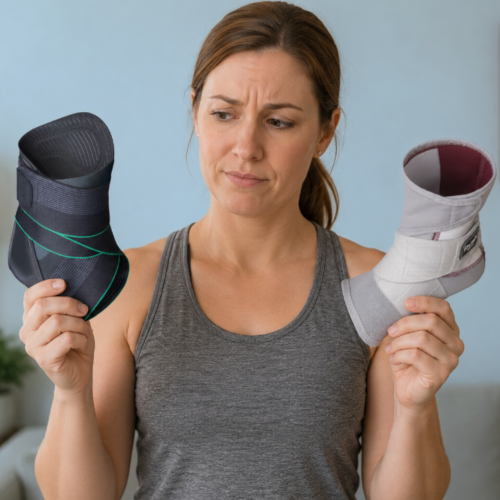
Which Ankle Brace Do I Need? How to Choose the Best Ankle Brace for Support, Sports, and Recovery
An ankle injury can happen to anyone—but choosing the right ankle brace can make the difference between a smooth recovery and ongoing instability.
With so many options available, it’s not always clear which ankle brace is best for your specific needs—whether you're dealing with a mild sprain, returning to sports, or managing chronic ankle instability.
In this guide, we’ll break down how to choose the right ankle brace based on your injury, activity level, and support needs—so you can move with confidence and reduce your risk of reinjury.
Not Sure Where to Start?
If you’re unsure which ankle brace is right for you, here’s a quick way to decide:
• Mild discomfort → light compression (Push care Ankle Brace)
• Active support → lightweight performance brace (Push Sports Ankle Brace 8)
• Recovering from a sprain → moderate stability (Push med Ankle Brace or Push med Ankle Brace Aequi Flex)
• Chronic instability → maximum support (Push ortho Ankle Brace Aequi)
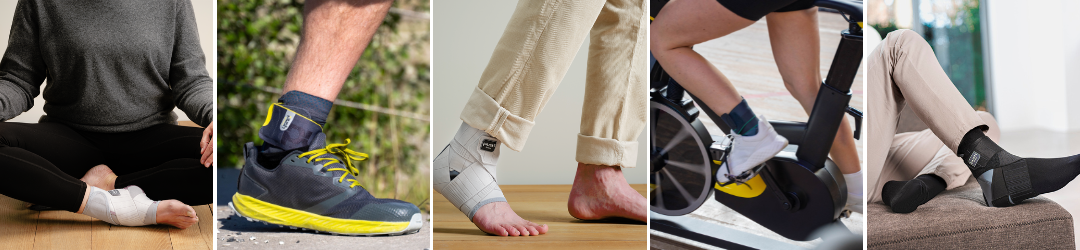
Shop ankle braces by support level to find your best fit >>
Ankle Brace Support Levels Explained
Not all ankle braces are designed the same. The right ankle brace depends on your level of activity, injury history, and how much stability you need.
Here’s how ankle brace support typically progresses:
• Compression support (light): Helps with mild swelling and everyday comfort
• Moderate support: Adds stability for minor sprains and recovery
• Sport and performance support: Designed for movement, agility, and stability
• Maximum support: Best for chronic instability and repeated injuries
BraceLab organizes these into four main categories:
• Push Sports (sports support)
• Push care (moderate support)
• Push med (High level of support)
• Push Aequi (advanced stabilization)
Understanding where you fall on this spectrum is the first step in choosing the right ankle brace.
Best Ankle Brace for a Sprained Ankle
If you're dealing with a sprain, choosing the right ankle brace is critical for both recovery and preventing reinjury.
• Mild sprain → Start with a compression ankle brace like the Push Care Ankle Brace or Push Sports Ankle Brace 8 for light compression and comfort.
• Moderate sprain → Choose a moderate support ankle brace like the Push med Ankle Brace for everyday recovery or Push med Aequi Flex for added stability for return to activity.
• Severe or recurring sprains → Consider an ankle brace known for higher support like the Push ortho Aequi for maximum protection.
An ankle brace designed to limit excessive inversion can significantly reduce the likelihood of repeat sprains—especially when returning to activity.
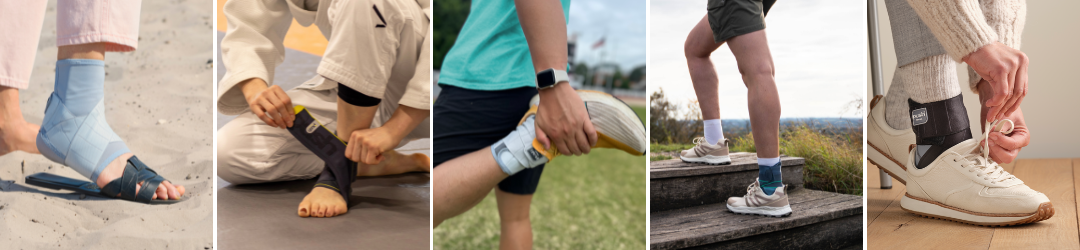
Browse ankle braces for sprain recovery >>
How to Choose the Right Ankle Brace for Your Injury
Use this quick guide to narrow down your options:
• Mild discomfort or swelling?
→ Choose a light compression ankle brace
• Recovering from a minor sprain?
→ Choose a moderate support ankle brace
• Returning to sports or higher activity?
→ Choose a performance ankle brace with added stability
• Chronic instability or repeated sprains?
→ Choose a maximum support ankle brace
Your activity level and injury severity should always guide your decision.
Compare BraceLab Ankle Braces (Quick Guide)
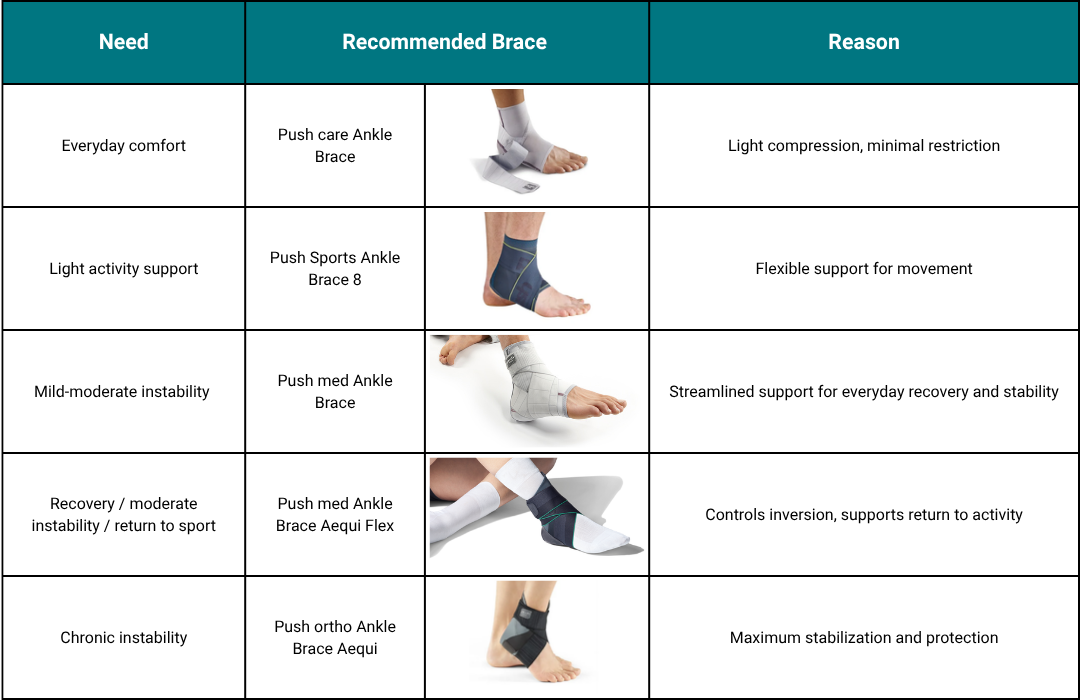
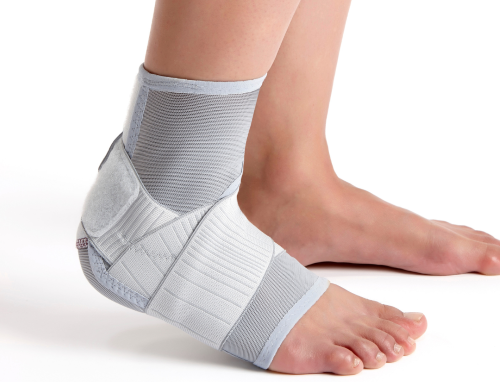
Light Support: Compression for Everyday Comfort
If you're dealing with mild discomfort or swelling, a lightweight ankle brace is a great starting point.
The Push Care Ankle Brace provides:
• Mild compression
• Everyday comfort
• Light support for minor irritation or fatigue
Light Performance Support: Stability Without Restriction
For those who are active but don’t need heavy stabilization, a lightweight performance brace offers the right balance.
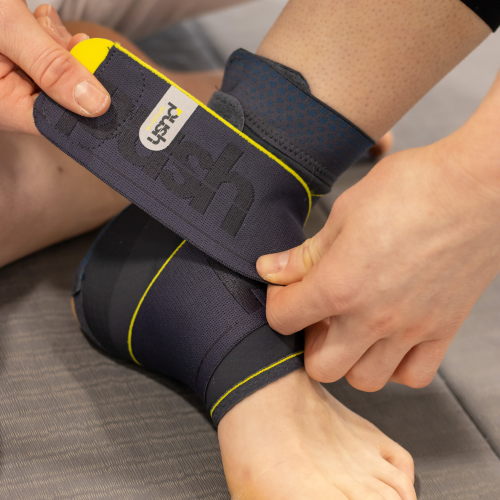
The Push Sports Ankle Brace 8 provides:
• Light support during activity
• Preventative use
• Minor instability
It delivers targeted compression and functional support while allowing full freedom of movement.
Moderate Support: Stability for Activity and Recovery
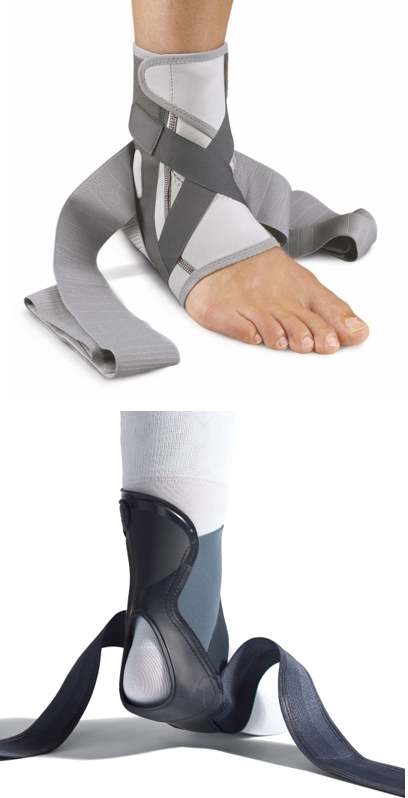
If you're recovering from a sprain or returning to sports, you’ll need more structured support. The Push med line offers two levels of support depending on your needs:
• Push med Ankle Brace - streamlined support for everyday recovery and mild-to-moderate instability
• Push med Ankle Brace Aequi Flex - advanced support that helps control inversion—the most common cause of ankle sprains—while providing added stability for a safer return to activity. Because the risk of reinjury is highest in the first few months after a sprain, wearing a supportive brace during activity can play an important role in protecting the ankle as it heals.
Maximum Support: Advanced Stability for Chronic Instability
For recurring injuries or long-term instability, maximum support is essential.
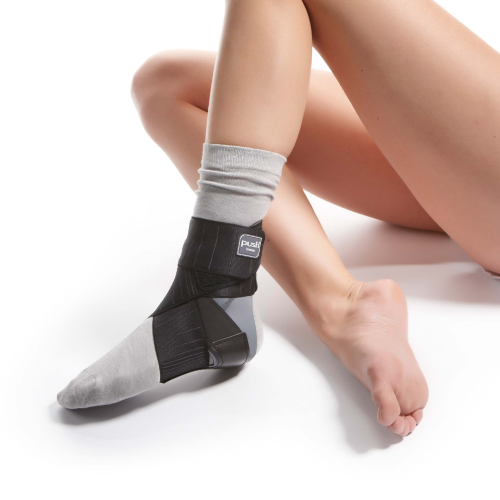
The Push ortho Ankle Brace Aequi offers:
• Advanced stabilization
• High-level support for chronic instability
• Protection during high-demand activity
This brace is designed to significantly limit excessive ankle movement while maintaining functional mobility.
Twisted Ankle vs Sprained Ankle
Understanding twisted ankle vs sprained ankle can help you choose the right ankle brace.
• A twisted ankle is a general term for rolling your ankle
• A sprained ankle involves stretched or torn ligaments
Mild cases may only require a supportive ankle brace, while more severe injuries may need medical attention.
Torn Ligament Sprained Ankle vs Broken Ankle
When comparing torn ligament sprained ankle vs broken ankle, symptoms can overlap but severity differs.
• Sprain: ligament damage, swelling, instability
• Broken ankle: fracture, severe pain, inability to bear weight
An ankle brace can help with sprains, but fractures often require immobilization.
Ankle Brace vs Walking Boot: What’s the Difference?
• A walking boot restricts movement for healing
• An ankle brace allows controlled mobility with support
Most mild to moderate sprains can be managed with a brace, while more severe injuries may require immobilization.
Still not sure if boot or brace is the best option? Check out our Clinical Clue - Brace or Booth: How to Decide.
Why Preventing Reinjury Matters After an Ankle Sprain
Knowing when to use an ankle brace versus a walking boot is only part of recovery—the next step is protecting your ankle as it heals.
After an ankle sprain, the risk of reinjury is highest in the first few months—even after pain and swelling begin to improve. While the ankle may feel better, the ligaments and surrounding structures are still healing, which can leave the joint more vulnerable to instability during movement.
Because of this, protecting the ankle during recovery is just as important as treating the initial injury. Returning to activity too quickly—or without adequate support—can increase the likelihood of repeated sprains and longer-term instability.
Wearing a supportive ankle brace during this phase can help reduce that risk. Braces designed to limit excessive inversion—the inward rolling motion responsible for most ankle sprains—provide added stability while still allowing functional movement.
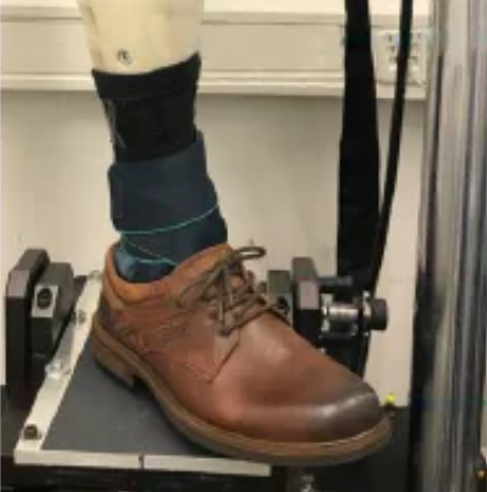
The Push med Ankle Brace Aequi Flex is specifically engineered with this in mind. In mechanical testing conducted by the Fraunhofer Institute, it demonstrated the highest level of stability in controlling inversion compared to other brace designs tested. This means it was more effective at limiting the excessive inward motion that commonly leads to ankle sprains.
For many individuals, wearing a brace like the Aequi Flex during activity in the first 2–3 months after a sprain can help protect the joint, support safer movement, and build confidence as strength and stability are restored.
Best Ankle Brace by Activity
Best Ankle Brace for Sports
• Light support → Push Sports Ankle 8
• Return to play → Push med Ankle Brace (light return) or Push med Aequi Flex (added stability)
• High instability → Push ortho Aequi
Ankle Brace for Running
Running places repetitive stress on the ankle. A moderate support brace can help reduce strain while maintaining comfort.
Best Ankle Brace for Basketball
Basketball involves jumping, cutting, and sudden stops. A supportive ankle brace with strong lateral stability is ideal.
Browse braces for basketball >>
Best Ankle Brace for Soccer After Sprain
The Push Sports Ankle 8 is a strong option for soccer players returning to play, offering lightweight support that allows for quick direction changes and agility.
Best Ankle Brace for Dancers
Dancers need flexibility with support. A lightweight ankle brace that doesn’t restrict movement is key.
Key Benefits of Wearing an Ankle Brace
A properly fitted ankle brace can:
• Improve joint stability
• Reduce risk of reinjury
• Support recovery
• Enhance confidence during activity
• Help you stay active safely
Frequently Asked Questions
Which ankle brace is best for a sprain?
Mild sprains typically require light support, while moderate sprains benefit from structured support like the Push med Ankle Brace or Push med Aequi Flex. More severe or recurring sprains may require higher stabilization.
Can you walk with a sprained ankle using a brace?
Yes, ankle braces are designed to support movement while protecting the joint, depending on severity.
Can wearing an ankle brace help prevent reinjury after a sprain?
Yes—wearing an ankle brace during recovery can help reduce the risk of reinjury, especially in the first few months after a sprain when the ankle is still healing and more prone to instability.
Many ankle sprains occur due to excessive inversion, or inward rolling of the foot. Braces designed to help control this movement can provide added protection as you return to activity.
In mechanical testing conducted by the Fraunhofer Institute, the Push med Aequi Flex demonstrated a high level of stability in limiting inversion compared to other brace designs tested, meaning it allowed less inward ankle movement during testing. This type of support can be especially helpful during the early stages of recovery, when protecting the ankle is critical.
How long should you wear an ankle brace after a sprain?
The amount of time you should wear an ankle brace after a sprain depends on the severity of the injury and your activity level. For many people, wearing a brace during activity for the first 2–3 months can help support the healing process and reduce the risk of reinjury.
Even after pain and swelling improve, the ankle may still be vulnerable to instability. During this phase, using a supportive brace—especially one designed to help control inversion, like the Push med Aequi Flex—can provide added protection as you gradually return to normal movement and activity.
As strength and stability improve, many people transition away from regular brace use, though some may continue to wear one during higher-risk activities like sports.
What ankle brace do athletes use?
Athletes often use braces that balance mobility and stability, like performance or moderate-support designs.
Is it better to tape or wear an ankle brace?
Ankle braces provide consistent, reusable support, while taping can loosen over time.
Key Takeaways
• The right ankle brace depends on your activity level and injury
• Light support works for minor issues, while chronic instability requires more structure
• Sports-specific braces improve performance and safety
• A properly chosen ankle brace helps you stay active and reduce reinjury risk
Quick Recommendations: Which Ankle Brace Should You Choose?
• Mild discomfort → Push care Ankle Brace
• Light activity → Push Sports Ankle Brace 8
• Recovery → Push med Ankle Brace (general recovery) or Push med Ankle Brace Aequi Flex (higher support)
• Chronic instability → Push ortho Ankle Brace Aequi
Find the Right Ankle Brace for Your Needs
Choosing the right ankle brace doesn’t have to be complicated. By understanding your level of support and how you plan to stay active, you can find a solution that works for you.
BraceLab designs clinically informed orthopedic supports that help you stay active while protecting your joints—so you can move with confidence every step of the way.
Explore all ankle braces and find your best fit today >>
Medical Disclaimer:
This content is for educational purposes only and is not a substitute for professional medical advice. Always consult your healthcare provider for diagnosis, fitting, and treatment recommendations.
© BraceLab; 2026 all rights reserved